CENTCOM Eyes 'Creative and Unconventional' Options Against Iran as Air Power Falls Short
CENTCOM's Unusual Email Highlights Limited Options in Iran Conflict
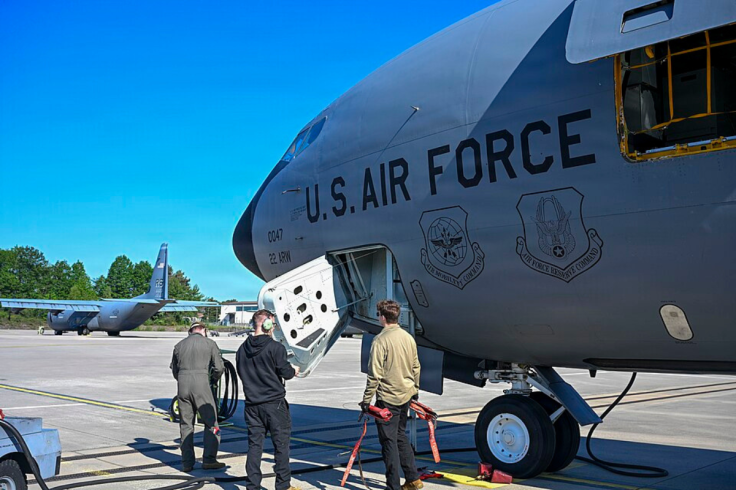
The US military command running the war against Iran has resorted to a step that betrays how few good options remain: it emailed its own analysts asking them to think up new ways to hurt Tehran.
An officer in US Central Command's intelligence branch sent a message to a broad group of military analysts last week soliciting 'new creative and unconventional ways to pressure and punish Iran', according to sources who described the request.
The unusual, crowdsourcing-style appeal points to the narrow and largely unappealing set of choices facing President Donald Trump as he tries to force Iran into a deal on his terms. It comes as the country's most senior officer has publicly conceded that bombing alone cannot deliver what the president wants.
An Email That Revealed a Strategy Running Out of Road
The request landed in inboxes as a blunt admission of need. 'We are looking for new creative and unconventional ways to pressure and punish Iran,' the CENTCOM intelligence officer wrote in the message, sent on Wednesday, according to a report.
A second source said a senior officer had circulated the appeal the previous week, seeking fresh thinking on how to deal with Iran.
Military officials told the network that soliciting ideas so broadly, and by email, was itself unusual, a sign of just how constrained the options had become. Hoping to find an alternative to the plans already on the table, the CENTCOM official effectively opened a brainstorming session to see whether anyone across the command could offer something better.
CENTCOM did not dispute that it was casting about for new approaches. 'US Central Command has a long history of thinking and working in innovative ways,' a spokesperson, Captain Timothy Hawkins, said in a statement, while a second source said the command was 'looking at everything' and acknowledged it needed to reassess its strategy.
The Generals' Blunt Admission About Bombing
The appeal for ideas follows a rare public concession from the top of the military. Air power alone, the president's most senior military adviser has acknowledged, cannot accomplish everything Trump has demanded of the war. 'Air power has its limits,' the chairman of the Joint Chiefs of Staff, General Dan Caine, told lawmakers last month.
The intelligence community has reached a similar conclusion. Both the Central Intelligence Agency and the Defence Intelligence Agency have recently assessed that the sort of bombing the United States is carrying out is unlikely to shift Iran's position at the negotiating table, according to recent reporting. The judgement cuts against the theory of the campaign, that enough force will bend Tehran to American terms.
The gap between ambition and capability has left planners searching. Options for escalating the conflict have been laid before Trump for months and debated at length, with additional military assets flowing to the region in anticipation of a decision.
One plan devised by CENTCOM would involve heavy bombardment over one or two weeks to destroy Iran's missile capabilities, US officials said, though even that would fall short of the war's stated goals.
A President Weighing Escalation Against Its Costs
Trump has been considering intensifying the campaign, potentially by relaunching heavy strikes on Iran's remaining nuclear facilities, which he claimed had been 'obliterated' in strikes last summer. Two sources familiar with the planning said the military had been actively preparing to hit Pickaxe Mountain and other Iranian sites believed to hold nuclear material or equipment.
Yet the same sources cautioned that even America's most powerful conventional weapons were unlikely to finish the job, since missiles and bombs cannot reliably destroy deeply buried facilities or the knowledge to rebuild them.
That hard limit is what pushes planners towards the 'unconventional' measures the CENTCOM email requested, a category that can span cyber operations, sabotage and covert action, none of them free of risk or the danger of further escalation.
The overall picture is of an administration that launched a war on the promise of a swift, decisive result and now finds itself asking its own ranks for a way out of the impasse. A command reduced to crowdsourcing ideas for how to punish an adversary is a command that has run through its conventional playbook.
For all the firepower massed around Iran, the most revealing weapon deployed this week was an email admitting that firepower alone has not been enough.
© Copyright IBTimes 2026. All rights reserved.
- Recommended For You