How Trump's $2M Reflecting Pool Makeover Became a $16M Taxpayer Headache
Court filings reveal the pool was rushed to meet Independence Day, causing lining failures, peeling, algae, and over $14 million in costs

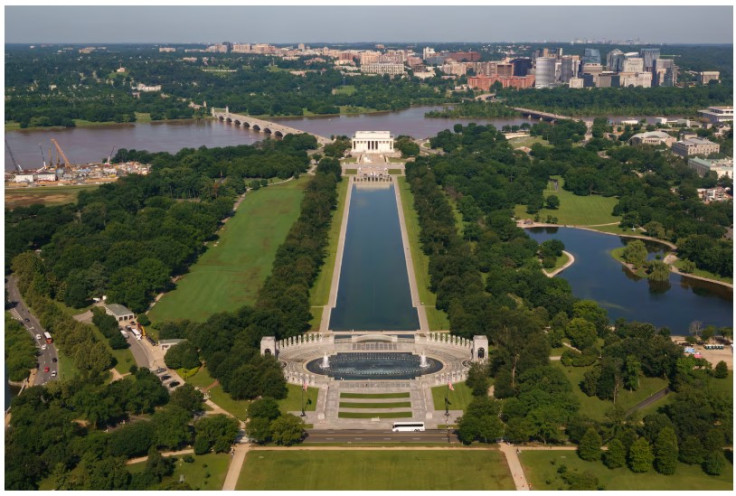
What began as a relatively modest renovation of the iconic Lincoln Memorial Reflecting Pool has evolved into one of the Trump administration's most controversial public works projects.
A renovation that was supposed to cost taxpayers no more than $2 million has instead ballooned into a repair bill estimated between $14 million and $16 million, sparking legal battles and leading prosecutors to admit that the damage they once blamed on vandalism was actually caused by a flawed installation.
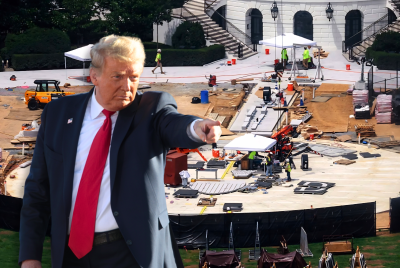
The project began in April after Trump said a visiting friend from Germany complained that the reflecting pool looked dirty, following which, he ordered the National Mall landmark to be drained, resealed, and coated in what he called 'American flag blue'.
The nearly four-million-gallon reflecting pool had already undergone a $34 million structural reconstruction in 2012, but longstanding problems, including algae growth and leaking joints, remained unresolved. Rather than pursuing another long-term engineering solution, the Trump administration fast-tracked an overhaul ahead of the July Fourth celebrations marking America's 250th anniversary.
The administration also reportedly bypassed the traditional National Park Service contracting process when selecting Greenwater Services to install a patented NanoBubble Ozone Technology water purification system. Federal contracting records later revealed the company's ultimate owner is the JJ Cafaro Investment Trust, led by businessman John Cafaro, a Trump donor and neighbour of Mar-a-Lago.
Construction delays soon followed. Historic preservation groups challenged the decision to repaint the reflecting pool blue, deadlines slipped, and the project's scope continued to expand. Yet the administration continued pushing to finish before the nationally televised America 250 celebrations. That decision appears to have come at a big financial cost.
According to court filings submitted by federal prosecutors on 31st July, the installation was rushed to meet Independence Day deadlines. The government acknowledged there were 'repeated failures of the lining during the installation process' and 'extensive peeling' throughout the pool before the project was completed.
After the pool was refilled, maintenance crews battled algae blooms while the newly installed liner peeled and detached from the surface. The pool was drained again, requiring further repairs that pushed total costs to over $14 million.
The Arrest of a Former Olympian on Vandalism Charges
The financial controversy deepened when former Olympian David Hearn was arrested and charged with damaging the pool liner. Trump repeatedly described the damage as vandalism, saying people had entered the pool 'with a knife'.
However, prosecutors later abandoned the case after obtaining documents showing the damage resulted from a 'rushed and flawed installation process' rather than criminal activity. They also said they had initially received incomplete information from the US Interior Department about the cause of the damage.
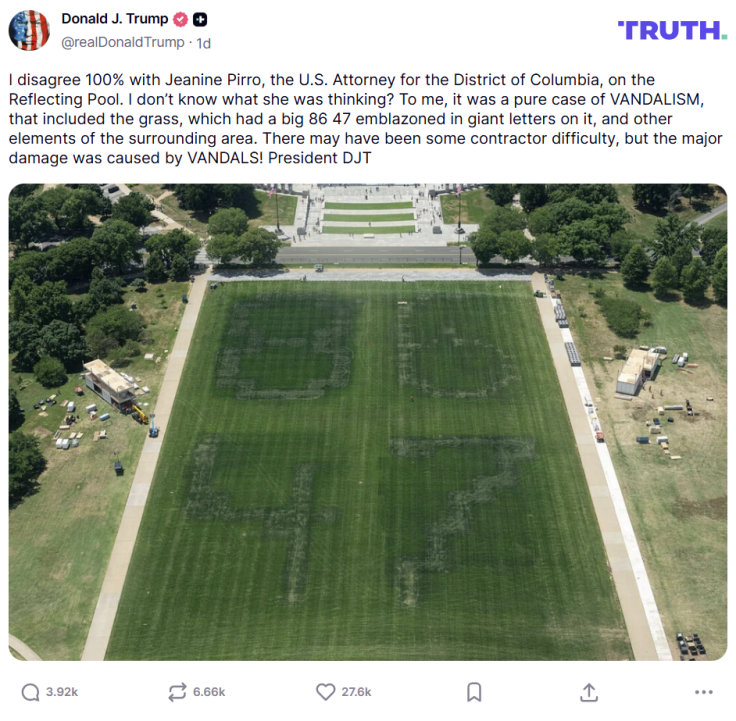
Despite that reversal, Trump has continued to insist vandals played the primary role. 'I disagree 100% with Jeanine Pirro,' he wrote about the the US Attorney for the District of Columbia on social media after prosecutors dropped the charges. 'There may have been some contractor difficulty, but the major damage was caused by VANDALS!,' he added.
Trump Admin 2.0 Following a Similar Pattern
During Trump's first term, the administration reportedly diverted billions of dollars in Pentagon funds towards the construction of the US-Mexico border wall after Congress appropriated less funding than requested. The move triggered multiple lawsuits and was later halted by the Biden administration, leaving sections of a partially completed wall and unused construction materials that watchdogs criticised as wasteful spending.
The administration also spent millions of taxpayer dollars on repeated presidential golf trips to Trump-owned properties. Analyses by the Government Accountability Office and independent watchdog groups estimated that several early trips to Mar-a-Lago alone cost taxpayers more than $13 million, largely due to Air Force travel, Coast Guard patrols, and extensive security operations. Over the course of Trump's first presidency, independent estimates placed the total cost of presidential golf travel well into the hundreds of millions of dollars, although the White House disputed some of those calculations.
Critics have also pointed to the $250 million 'Save America' public relations campaign launched during the COVID-19 pandemic. The campaign was intended to encourage public confidence during the health crisis, but was ultimately cancelled after criticism over its political messaging, with millions already committed before being abandoned.
© Copyright IBTimes 2026. All rights reserved.
- Recommended For You