

Trump Scraps Hormuz Toll After One Day, Admits He Doesn't 'Like the Concept of a Fee'
US President Trump reverses decision on Hormuz toll, opting for Gulf investment deals amidst regional conflict.
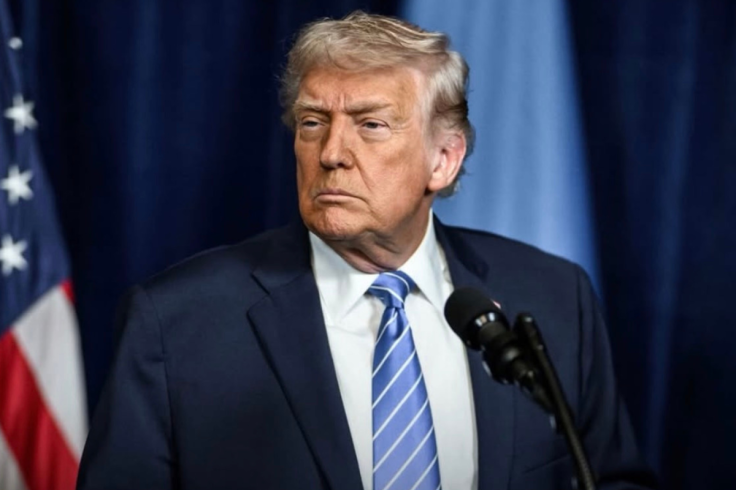
Trump scrapped his plan to slap a 20 per cent toll on ships using the Strait of Hormuz just one day after unveiling it, admitting he did not 'like the concept of a fee' even as tensions with Iran intensify.
United States President Donald Trump had abruptly announced the levy on Monday on Truth Social, calling it a necessary 'reimbursement' for securing the key waterway. By Tuesday, the American leader had reversed course, dropping the maritime fee amid an escalating confrontation between Washington and Tehran.
The swift cancellation of the Hormuz toll highlights the immense logistical and diplomatic hurdles of taxing an international waterway that the United States military does not officially control.
From Hormuz Toll To Gulf Investment Promises
Instead of imposing a unilateral maritime tax on global shipping, the administration now says the financial burden will be addressed through alternative diplomatic channels. Trump stated that the controversial fee would be replaced with 'Trade and Investment Deals that the various Gulf States will be making with the United States'.
This sudden pivot followed what the president described as 'highly productive conversations with Middle East leadership', though officials declined to provide any further information regarding the exact nature of these prospective economic arrangements.
Trump also vowed that the impending investments from Gulf countries would be 'massive', but kept the specifics vague.
Several countries in the region had already announced multibillion-dollar pledges to invest in the United States prior to the United States and Israel launching their war with Iran on 28 February.
Analysts and observers have questioned whether these pre-existing pledges are being highlighted as an alternative to the abandoned tariff. The rapid reversal of the policy within 24 hours has generated uncertainty within the global shipping industry.
The White House had previously struggled to explain how it would enforce safe passage or collect payments in a maritime chokepoint it does not own.
The Trump administration had formally rejected the notion of Iran charging any fees for transiting ships, with United States Secretary of State Marco Rubio asserting that doing so in an international waterway would undermine international law.
By Tuesday, Trump appeared to return to that established legal baseline, abandoning the toll idea.
Trump: I don't like the concept of a fee, but at the same time it's not fair that we're protecting this strait for the entire world but it's unfair that we're not in somehow compensated, and we've been doing this for many years. It's bothered me 25 years ago… pic.twitter.com/m2eEmAqqYl
— Acyn (@Acyn) July 14, 2026
Escalating Regional Warfare Shadows the Maritime Dispute
The policy reversal unfolded just hours before a comprehensive United States military blockade of Iran was set to officially restart on Tuesday. This stringent naval blockade had been temporarily lifted as part of a memorandum of understanding signed by both sides in mid-June.
That preliminary deal, which briefly saw an end to fighting between both sides and the opening of the Strait of Hormuz, has now been entirely thrown into peril amid the latest bout of attacks. The collapse of the ceasefire framework highlights the ongoing volatility in the region and the fragility of recent diplomatic agreements.
Meanwhile, the physical conflict continues to intensify far beyond the realm of shipping tariffs. Iranian media have reported a succession of recent attacks targeting infrastructure across Bushehr, Bandar Abbas, Mahshahr, and Abadan, alongside powerful explosions reported on Tuesday on Qeshm and Kish islands.
Kuwait also confirmed its armed forces were actively engaging with a number of aerial targets breaching its sovereign airspace.
Iran has publicly vowed to continue its targeted assaults on United States assets throughout the region. With other attacks already reported on Bahrain, Jordan, and directly on vessels operating within the Strait of Hormuz, the dispute over maritime shipping tolls has been largely overshadowed by the escalating regional conflict.
© Copyright IBTimes 2026. All rights reserved.