Trump Warns He Will 'Complete the Job' as Fragile US-Iran Ceasefire Crumbles After Just 11 Days
Emergency talks in Qatar aim to salvage a fragile US-Iran ceasefire amid escalating tensions over the Strait of Hormuz.

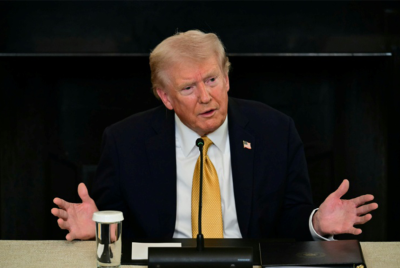
President Donald Trump has threatened to restart hostilities and 'complete the job' as a fragile US‑Iran ceasefire, already strained by renewed strikes and a failed military hotline, teeters on the brink of collapse just eleven days after it began.
A senior American official confirmed that the United States and Iran have agreed a temporary halt in strikes in a last‑ditch effort to salvage the truce, with both nations now rushing to send delegations to Qatar's capital on Tuesday for emergency talks on an escalating dispute over shipping rights in the strategic Strait of Hormuz.
The sudden deterioration follows renewed military action by both sides, triggered by competing interpretations of the memorandum of understanding meant to end the war, with underlying friction centred on maritime terms in the strait.
Hotline Failures Undermine Ceasefire Efforts
During intense negotiations held in Switzerland last week, an American delegation led by Vice President Vance agreed with Iranian officials to establish a direct communication hotline.
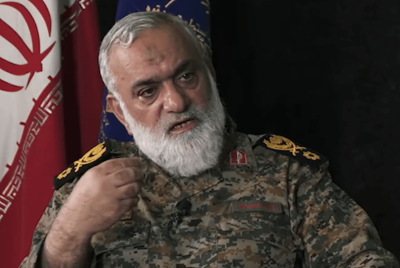
This emergency link was meant to connect the United States military directly with the Islamic Revolutionary Guard Corps (IRGC), the powerful parallel branch of Iran's armed forces that oversees maritime operations in the Gulf, to coordinate daily traffic in the strait and prevent accidental clashes before they could escalate.
However, that safety net never materialised. As of Saturday, the military hotline was still completely non‑operational, leaving both armed forces operating in a dangerous informational vacuum at sea. In the absence of this channel, Iran began insisting again that commercial ships must coordinate passage directly with its forces. This unilateral move rapidly accelerated distrust and contributed to renewed kinetic activity between the two adversaries.
A senior United States official told Axios: 'We decided to stop all the kinetic activity,' using the military term for active strikes and physical attacks. Whether this temporary pause in operations will hold remains uncertain, especially as rhetoric from the White House intensifies.
Qatar Talks To Salvage Fragile US-Iran Ceasefire
The venue for the next round of discussions reflects the worsening crisis. A source with knowledge of the talks noted that the Tuesday meetings were originally set to take place in Switzerland, where the main objective was to address long‑standing disputes over Iran's nuclear programme.
However, the sudden escalation and the risk of the ceasefire collapsing forced diplomats to relocate the summit to Qatar, refocusing the agenda on securing stability in the Strait of Hormuz.
Nick Stewart, who heads the United States technical team, is expected to take part in the emergency talks, according to a United States official and an independent source familiar with the matter. Negotiators face a steep challenge in resolving the shipping dispute without triggering a return to full‑scale hostilities, as both sides remain reluctant to move from their entrenched positions over the waterway.
The lack of detailed official commentary on the president's threats and the non‑operational hotline has left international allies uncertain about the durability of the ceasefire, with the temporary pause on strikes still looking highly precarious.
© Copyright IBTimes 2026. All rights reserved.
- Recommended For You