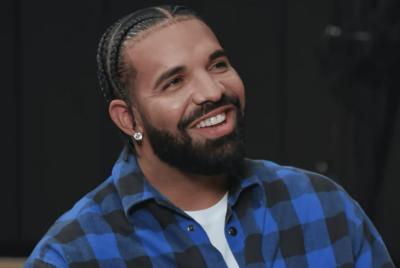
'He Literally Dissed ICE': White House Sparks Major Fury for Using Drake Track in Deportation Video
The White House has faced backlash after using Drake's Hoe Phase in a TikTok promoting ICE deportations, reviving the rapper's past criticism of Donald Trump.
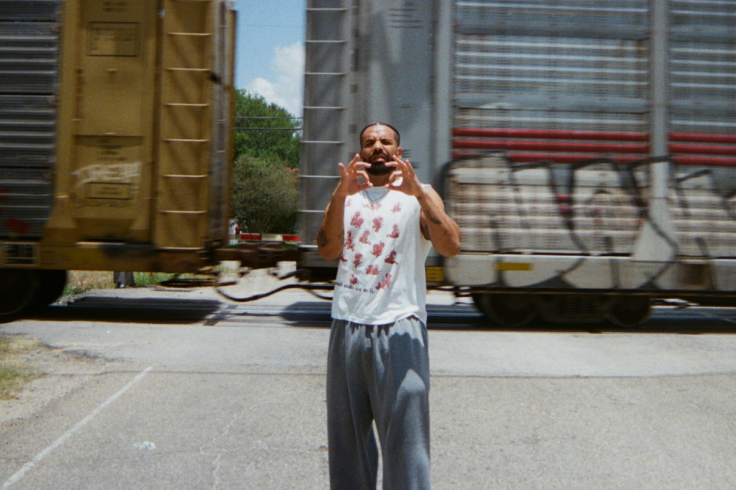
The White House has sparked backlash after using Drake's song Hoe Phase in a TikTok video showing Immigration and Customs Enforcement (ICE) officers escorting people onto deportation flights, prompting criticism from fans who questioned why the administration would feature music by an artist who has publicly criticised President Donald Trump.
The video, posted on 31 July, featured footage of ICE officers accompanying detainees onto aircraft alongside the caption, 'Let us remind you if you're here illegally you're going home.' The clip used Hoe Phase as its soundtrack while displaying the lyric 'Did you forget about back home?'
The post quickly drew thousands of reactions online, with much of the criticism focusing on the White House's choice of music rather than its immigration message.
White House's Drake Soundtrack Draws Immediate Backlash
The TikTok became the latest example of the administration using popular music to accompany immigration enforcement videos, a strategy that has repeatedly generated debate on social media. Many commenters argued Drake's music should not be associated with the White House's deportation messaging.
@whitehouse Let us remind you if you’re here illegally you’re going home.
♬ original sound - The White House
'Yo Drake don't mess wit yall,' one commenter wrote. Another said, 'Do not use drake absolutely not,' while a third added, 'Don't bring drake into this.'
One user wrote, 'Drake song,' followed by a sad-face emoji, then added, 'To clear this up f--k trump.' Another claimed, 'He literally dissed ICE on his new album btw.'
Several users also claimed Drake had criticised ICE on recent music releases. However, those claims have not been independently verified, and neither Drake nor his representatives have publicly commented on the White House's use of the track.
At the time of publication, there is no indication that Drake has taken legal action or publicly objected to the video's use of his music.
Drake Previously Condemned Donald Trump
The online reaction was fuelled in part by Drake's previous public comments about Trump. During a concert in London in 2017, the Canadian rapper spoke about political division in the United States while addressing the audience between songs.
'I look on CNN every day and I see all this bulls— going on in the world,' Drake said, referring to people attempting to divide communities.
He then praised the diversity of the concert audience before directly criticising Trump. 'If you think one man can tear this world apart, you're out of your motherf—ing mind. It's on us to keep this s— together. F— that man,' Drake told the crowd.
Those remarks resurfaced online after the White House shared the ICE video, with many social media users pointing to the apparent contradiction between Drake's previously stated views and the administration's use of his music.

Part of a Broader Pattern
The Drake controversy follows another dispute involving the White House's use of copyrighted music.
Earlier this week, singer-songwriter Noah Kahan criticised the administration after one of his songs appeared in a White House social media post featuring President Trump visiting General Motors' Milford Proving Ground in Michigan.
The Instagram post used Kahan's American Cars, prompting the artist to respond publicly after fans alerted him.
'Would never approve of my music being used in support of you or this administration,' Kahan wrote in the comments. His co-writer, Noah Levine, also criticised the post.
The White House later removed the song from its Instagram upload, although reports indicated the music remained on a version of the video posted to TikTok.
That incident has added context to the latest criticism surrounding Drake's music, with artists and fans increasingly questioning how songs are being incorporated into political social media content.
Can Politicians Use Copyrighted Music?
The latest controversy also highlights a recurring issue involving politicians' use of commercial music. Public figures, campaigns and government organisations have frequently faced objections from musicians over songs being played at rallies, campaign events or in promotional videos.
Whether a particular use is legally authorised often depends on the specific licensing arrangements covering the platform, venue or production. Legal permission and an artist's personal approval are not necessarily the same thing.
As of publication, Drake has not publicly commented on the White House's TikTok, and there is no indication that any copyright dispute has been initiated.
White House Continues Social Media Strategy
The administration has increasingly used short-form video platforms such as TikTok and Instagram to promote immigration enforcement, often pairing footage with trending music in an effort to maximise online engagement.
Supporters argue the videos reinforce the administration's immigration policies and communicate them directly to the public through social media.
Critics, however, say the approach risks politicising artists' work and creating the impression that musicians endorse messages they may not support. The White House has not responded publicly to criticism over its use of Drake's song.
For now, the controversy reflects the increasingly blurred line between political messaging, viral social media content and popular culture, particularly when music created by artists with well-known political views becomes part of highly polarising government campaigns.
© Copyright IBTimes 2026. All rights reserved.
- Recommended For You