Why UN Security Council Failed to Act on Strait of Hormuz: Russia, China and France's Triple Resistance Exposed
The draft sponsored by Bahrain was backed by Jordan, Kuwait, Qatar, Saudi Arabia and the UAE

The UN Security Council failed to take action on the Strait of Hormuz crisis yesterday when Russia and China vetoed a resolution calling for defensive coordination to safeguard navigation in the vital shipping lane.
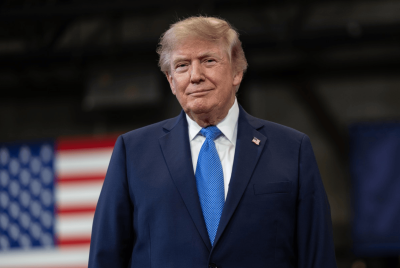
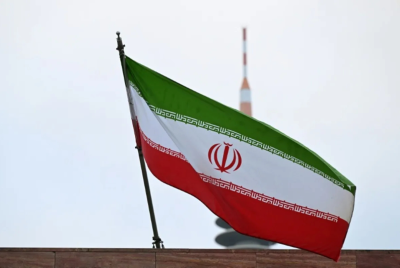
The meeting on 7 April came as Iran's closure of the strait – a key route for global trade between Iran, Oman and the United Arab Emirates – continued into the fifth week of regional conflict. It was timed just hours before a deadline from US President Donald Trump warning of attacks on Iranian infrastructure if the waterway stayed closed.
Why the UN Security Council Failed to Act on the Strait of Hormuz
The draft, sponsored by Bahrain and backed by Jordan, Kuwait, Qatar, Saudi Arabia and the United Arab Emirates, received 11 votes in favour but was blocked by the two permanent members, with Colombia and Pakistan abstaining. France, the United Kingdom and the United States supported the final text.
The resolution was repeatedly watered down over recent weeks to address concerns from veto-wielding members. The original version drafted by Bahrain would have allowed countries to use all necessary means, including possible military action, to protect commercial maritime routes in the strait.
Resistance from Russia, China and France to any authorisation of offensive action led to the removal of such references. The final draft simply encouraged states interested in the use of the routes to coordinate efforts defensively to ensure the safety and security of navigation, including the use of escorts for merchant and commercial vessels. It also demanded that Iran immediately cease all attacks on shipping.
Russia and China Expose Their Objections to the Draft
Russia's ambassador Vassily Nebenzia explained that the resolution presented Iranian actions as the sole source of regional tensions while illegal attacks by the United States and Israel were not mentioned at all.
China's ambassador Fu Cong said the draft failed to capture the root causes and the full picture of the conflict in a comprehensive and balanced manner. Both permanent members used their veto power to prevent adoption.
The outcome drew immediate criticism from Gulf states. Bahrain's foreign minister Abdullatif bin Rashid Al Zayani expressed regret, saying the council had failed 'to shoulder its responsibility in relation to an illegal conduct that requires decisive action with no delay'.
France's Part in The Triple Resistance
The UN Security Council's inability to adopt even a modest defensive proposal on the Strait of Hormuz has left maritime security entirely dependent on unilateral actions by concerned states.
France voted in favour of the final diluted text and did not veto, but it had joined Russia and China in opposing the stronger original approach that included use of force. Its UN ambassador Jerome Bonnafont later deplored the vetoes but stressed that the aim had been to encourage 'strictly, purely defensive measures' to provide the security and safety for the strait without spiralling towards escalation.
This combined resistance from the three permanent members exposed deep divisions and ultimately prevented the council from acting. The strait remains largely closed, leaving shipping vulnerable. As of 8 April, the failure to act underscores the challenges facing the Security Council in addressing maritime security amid geopolitical tensions.
© Copyright IBTimes 2026. All rights reserved.
- Recommended For You