

The Winds of Winter News Update: Why It's Time for George R.R. Martin to Officially Abandon TWOW
Sometimes the kindest ending is the one that finally admits it is not coming.
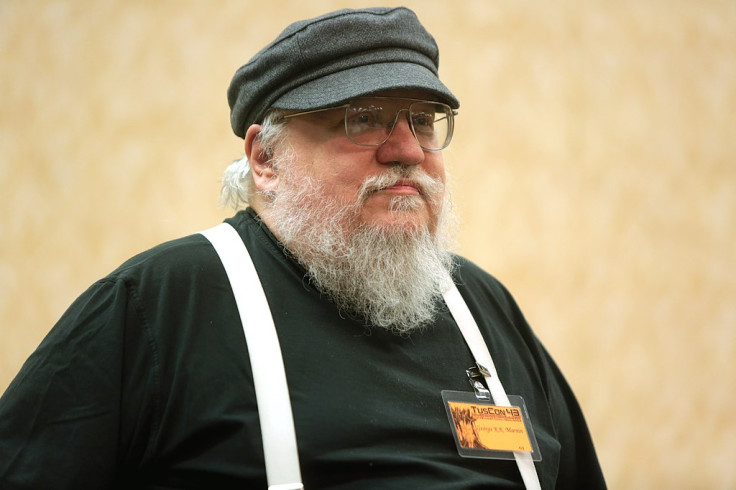
Fifteen years into the long wait for The Winds of Winter, an opinion piece published on FandomWire argues that George R. R. Martin should stop promising the sixth A Song of Ice and Fire novel and, bluntly, let it go. The argument is not that readers should be less impatient, but that the author should be more honest about where his time and energy now lie.
The piece frames the delay as something more tangled than laziness, pointing to Martin's own past remarks about distraction and the gravitational pull of Game of Thrones as a global franchise. It also leans hard on the idea that fans are stuck in an endless holding pattern, with no clear finish line and plenty of side quests to watch instead.
The core claim is simple enough to repeat without dressing it up. The book remains unfinished. The writer believes the most humane thing, for Martin and the people still refreshing for updates, would be a formal decision to abandon The Winds of Winter rather than keep it in permanent 'still working on it' limbo.
Still, even this case for walking away relies on fragments and quotes, not on any definitive statement from Martin that he is done. The piece itself acknowledges that he has continued to reassure readers that he remains interested, even as it questions how much that interest matters when the pages do not appear to move.
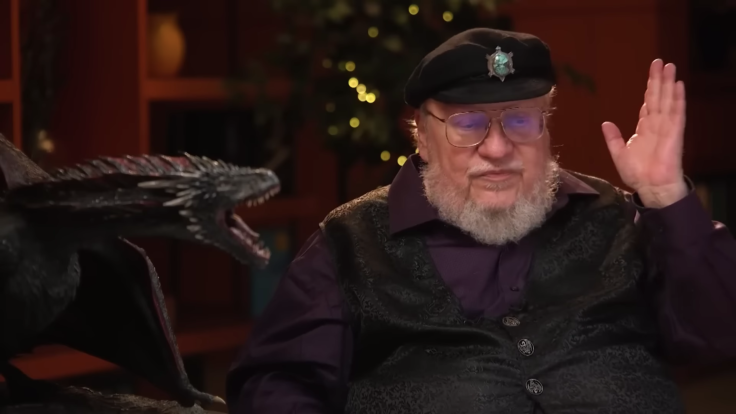
The Winds of Winter and the Weight of Waiting
The strongest evidence offered is not insider reporting or publishing gossip, but Martin's own language about the project. The piece notes that he has described The Winds of Winter as 'the curse of my life' in an interview referenced via Time, which is not the phrase of a writer gliding towards the final chapter. It also cites a separate comment attributed to an interview referenced via The Hollywood Reporter, where he is quoted saying he is 'not in the mood' to work on it.
Those are striking lines, and they do a particular kind of work. They make the delay feel emotional and personal rather than merely logistical. They also invite a grim question that the opinion piece is willing to ask out loud, namely whether a book can be finished by someone who increasingly sounds as if he resents what the book has become.
The piece goes further and points to what it presents as a flatlining of progress. In the same interview it references, it says Martin confessed he was on the same number of manuscript pages as he had completed four years earlier. If that claim is accurate, the problem is no longer only that the writing is slow. It is that it appears, at least in public, to be stuck.
Then there is the arithmetic of ambition. The piece recalls a 2022 remark it attributes to an appearance referenced via Tooning Out the News, in which Martin reportedly said he had completed around 1,100 pages, while still needing another 400 to 500. The opinion writer reads the gap, and the lack of new pages in the years since, as less a temporary lull than a warning flare.
The Winds of Winter and the Work Martin Keeps Choosing
The other thread in the argument is about priorities, and it has a sharper edge. At one point, the piece says Martin has blamed the success of Game of Thrones and the distractions that followed for his inability to focus, then suggests he should simply accept what the last decade has shown. His attention is spread across conventions, multiple HBO live action projects, and the broader machinery of franchised Westeros.
From that perspective, the answer is not to shame him into finishing, but to redirect him. The opinion piece suggests that Martin would be better served by devoting himself to live-action spin-offs and completing the Tales of Dunk and Egg series, which it presents as both more achievable and more aligned with what he seems to enjoy working on now.
It also makes a pop culture bet about what the audience actually rewards. It argues that the success of A Knight of the Seven Kingdoms Season 1 and the failure of House of the Dragon Season 2 have clarified where the future lies, and that Martin should treat that as a signal rather than an inconvenience. That is an opinion, not a measurement, and it is written with the confidence of someone tired of waiting.
The most persuasive moment is not when the piece scolds Martin for being busy, but when it proposes an alternative form of respect for readers. Tell them the truth, it argues, even if the truth disappoints. Fans can mourn a finished decision. What corrodes is the indefinite promise, the sense that everyone is meant to keep believing, forever, in a book that may remain only a title and a thunderclap.
© Copyright IBTimes 2026. All rights reserved.