

The Winds of Winter Release Update: Why George R.R. Martin Is Repeating the Mistake That Delayed 'Dragons'
The long wait for The Winds of Winter has become a story about craft, pressure and the days when even dragons cannot summon the mood.
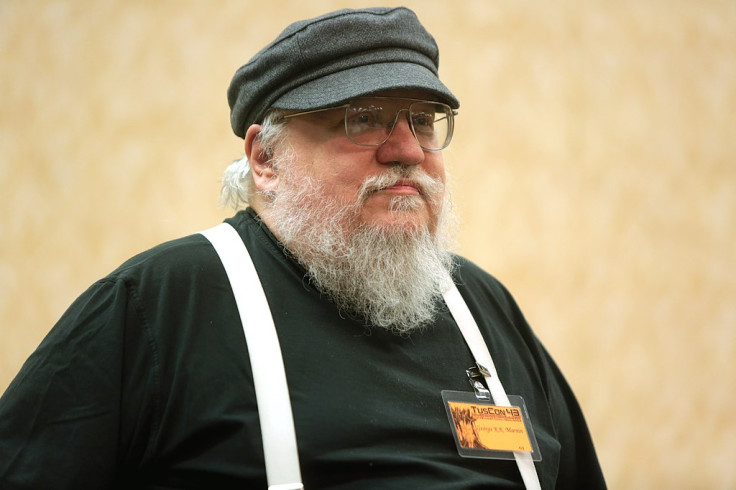
The most revealing thing George R.R. Martin has written lately is not a chapter from The Winds of Winter. It is a familiar, half-weary, half-defiant refrain posted on his own site about how every announcement that is not Westeros-adjacent apparently makes some readers 'pissed off.'
And there it is: the weird stalemate at the heart of modern fantasy's most famous unfinished novel. Martin still wants the book. Plenty of fans still want the book. But the longer it stretches, the more the waiting becomes its own story less epic quest, more trench warfare.
In plain terms — no prophecy, no ravens — Martin says the noise surrounding The Winds of Winter is constant; he insists he still cares about the world and its characters; and, in a recent interview, he admitted that sometimes he simply is not in the mood to wrestle the next book on to the page.

The Winds of Winter and the Old 'Knot' Problem
Every long series gets tangled. Martin's is practically built out of tangles: overlapping wars, characters who vanish for hundreds of pages, and storylines that refuse to line up neatly no matter how often you shove them into place.
That is why the comparison to A Dance With Dragons keeps resurfacing. Not because readers are nostalgically reliving the last painful wait, but because the underlying problem feels similar: too many moving parts demanding to arrive at the same moment, in the same city, for the same catastrophe. Call it craft. Call it obsession. Call it the downside of writing with maximal ambition and minimal shortcuts.
Martin himself has described a writing habit that sounds both productive and maddening: opening a draft chapter, deciding, 'Oh f***, this is not very good,' and then rewriting, or hopping from one character's chapter to another when momentum fades. It is an honest depiction of the work and, frankly, the kind of process that can swallow years when the book is already the size of a small brick.
Fans often speak as if the delay must have a single villain: television, side projects, conventions, age, procrastination. The truth is less satisfying. The mechanism of delay can be mundane: one stubborn chapter turning into 20 versions of itself, each 'better' and still not quite right.
The Winds of Winter Update Fans Won't Love
The sharpest snapshot of Martin's current relationship with his audience arrives in that May 2025 blog post, 'Howard Meets Hercules,' which is ostensibly about a film adaptation of a Howard Waldrop story until Martin swerves into a familiar argument with the internet.
He lays out, in deliberately exaggerated form, the accusations he says he hears: 'I will never finish WINDS... If I do, it won't be any good... I ought to get some other writer to pinch hit for me... I lost all interest in THE WINDS OF WINTER.' The point isn't that he believes those lines; it's that he's tired of them.
Then comes the corrective, small but pointed: 'Thing is, I... do' a staccato insistence that he still cares, not only about the side work and the anthologies and the films, but about Westeros too. He even names the beating heart of the saga 'The Starks and Lannisters and Targaryens' as if to remind readers that, for him, these aren't just IP assets or fandom chess pieces.
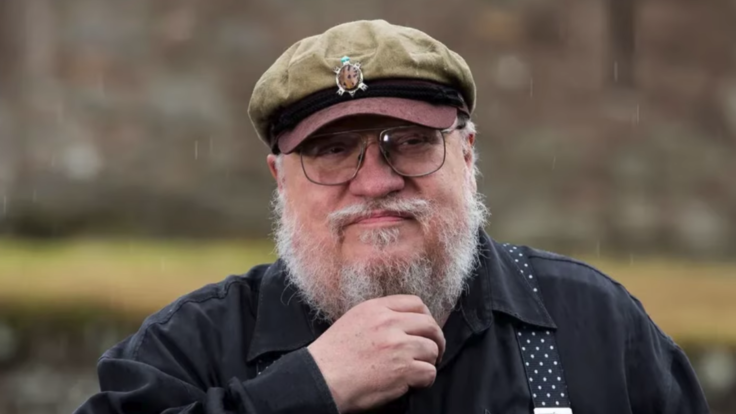
And yet the other, quieter admission sits elsewhere, in an interview excerpted this year: 'I do think if I can just get some of these other things off my back, I could finish The Winds of Winter pretty soon... Sometimes I'm not in the mood for that.' It is not an excuse so much as a glimpse of the unglamorous truth: writing is work, and even the author who invented the Red Wedding can dread walking back into his own labyrinth.
Maybe that is the real update less about deadlines, more about temperament. Martin is still writing in public, still arguing with the ghosts of reader expectations, still insisting he has not abandoned the story. But he is also telling you, plainly, that the hardest part is not fame or fandom or television; it is sitting down, opening the file, and deciding the next page is worth the fight.
© Copyright IBTimes 2026. All rights reserved.