

Is The Winds of Winter Delayed Again? George R.R. Martin Urged to Quit 'Curse' Book After 15-Year Failure
After a decade and a half of waiting, the fantasy epic now raises the question of whether George R.R. Martin still wants to write The Winds of Winter.
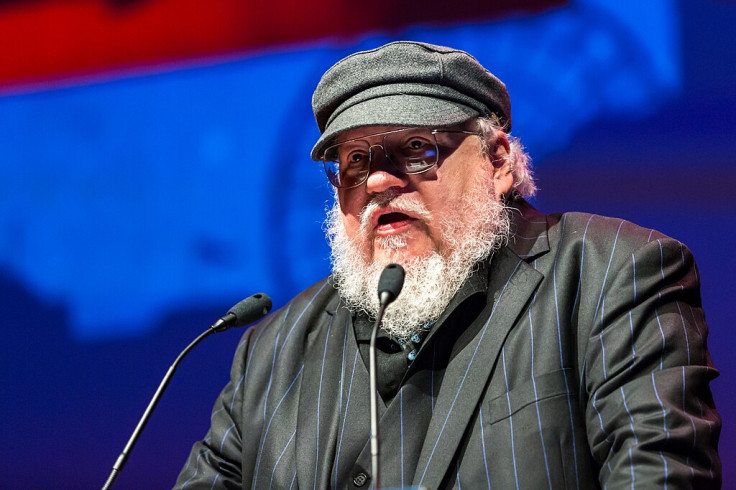
George R.R. Martin is being urged to consider walking away from The Winds of Winter in a fresh opinion piece published online, as frustration over the long wait for the A Song of Ice and Fire sequel hardens into something closer to resignation. The argument, directed at both the author and his fandom, contends that fifteen years of delay is no longer a cliffhanger but a pattern.
The news came after years of intermittent, closely parsed updates on the sixth A Song of Ice and Fire novel, which has been pending since A Dance with Dragons arrived in 2011, leaving readers suspended between the book canon and HBO's completed adaptation. In the piece, the writer frames Martin's stalled progress as more than a scheduling problem, suggesting the book has become a psychological weight as much as a manuscript.
The case being made is blunt but not unusual in discussions about Martin. Fans can either keep refreshing for good news, or accept that the story may never land in print in the way they imagined. The writer argues that the author's attention is spread across multiple projects and that the centre cannot hold forever.
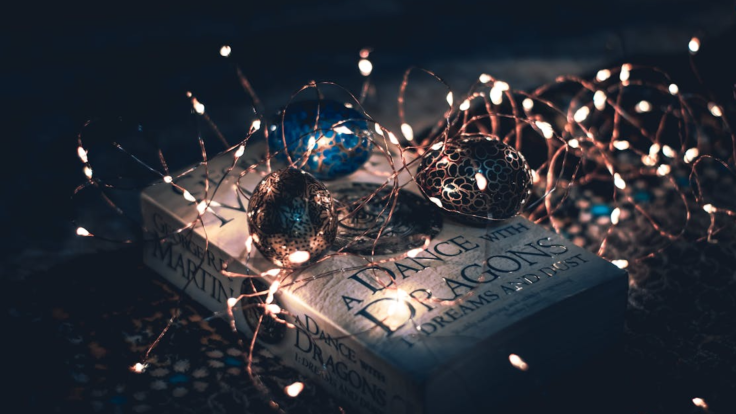
The Winds of Winter and the 'Curse' Problem
One of the article's key claims hinges on Martin's own public language about the book, which the writer presents as revealing rather than merely rueful. Martin has reportedly referred to The Winds of Winter as 'the curse of my life' and has also been described as saying he is 'not in the mood' to work on it. If those quotes are accurate, they matter not because they are colourful but because they hint at an author negotiating with his own obligation.
The opinion piece also leans on a familiar datapoint about scale. Martin said in 2022 that he had completed around 1,100 pages, with roughly 400 to 500 pages still needed, a set of figures that has circulated widely in reporting on the book's status. In the article's telling, the more troubling detail is not the remaining page count but the suggestion that the number has not meaningfully shifted for years, implying revision without forward motion.
This is where the writer's impatience becomes sharper. A novel can be late and still be alive, but one that stays the same length in public updates begins to feel, at least from the outside, like a project being carried rather than driven.
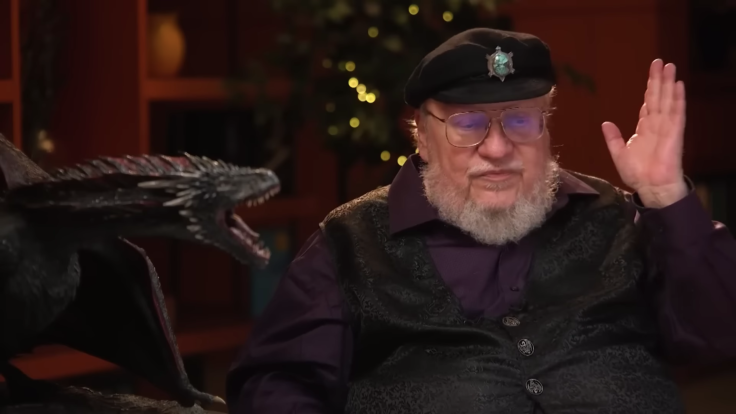
The Winds of Winter Versus Westeros on Screen
The piece argues that Martin's more realistic priority now is not The Winds of Winter at all, but the expanding business of Westeros on television. It points to the distractions that came with the success of Game of Thrones, and suggests that the author himself has previously cited that success and its surrounding obligations as a reason his focus fractured.
It goes further, essentially asking fans to trade one kind of anticipation for another. Rather than waiting for a book that may remain elusive, the writer proposes Martin should lean into live action spin offs and into finishing the Tales of Dunk and Egg series, which is presented as a more manageable lane for him.
To bolster that argument, the opinion piece references what it describes as the success of A Knight of the Seven Kingdoms season one and the failure of House of the Dragon season two. Those are the kinds of claims that can turn slippery fast, depending on which yardstick is being used and when, and the article does not present underlying figures in the excerpt provided here. Still, its broader point is clear enough. Martin's time is finite, and television deadlines do not wait for writerly breakthroughs.
There is also a forward looking note about projects still gestating, including a series about Aegon's Conquest, said to be in early development. The writer treats this not as exciting trivia but as another reason the book may keep slipping, because each new show is another meeting, another script, another demand for canon guidance.
What readers are left with is a stark choice that the article seems determined to force into the open. Either Martin finds a way back into the novel with genuine momentum, or he tells people plainly that he is not going to spend what remains of his working life wrestling with a story that no longer gives him joy.
© Copyright IBTimes 2026. All rights reserved.