

The Winds of Winter Spoilers: Why Tyrion Lannister Is Headed for Total Destruction in TWOW
Caught between obligation and exhaustion, George R.R. Martin seems determined to finish The Winds of Winter even if it means dragging Tyrion Lannister all the way to the bitter end.
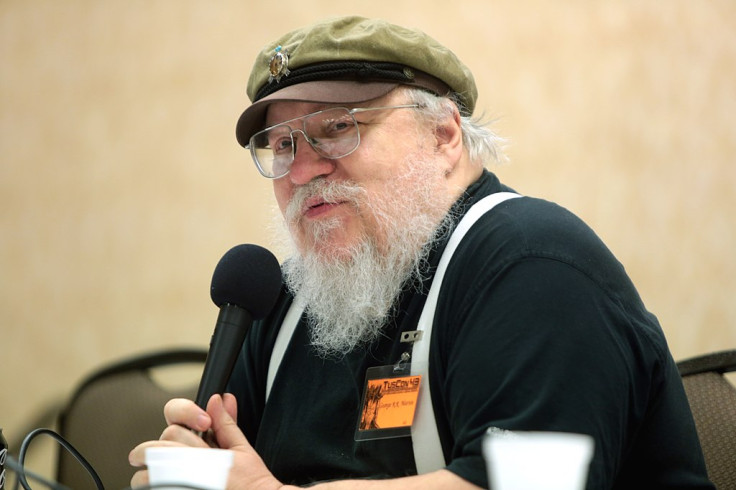
George R.R. Martin has again promised that The Winds of Winter will be finished, while hinting that fan favourite Tyrion Lannister is unlikely to survive the brutal final stretch of his story. Speaking to The Hollywood Reporter in comments now ricocheting around the fandom, the Game of Thrones author said he 'hate[s] to give up on it' and still 'want[s] to finish it,' even as he admitted he is exhausted by writing in the world that made him a household name.
The frustration over The Winds of Winter, the long‑delayed sixth instalment in A Song of Ice and Fire. The fifth book, A Dance with Dragons, was published back in 2011. Since then the HBO adaptation has begun, overtaken the existing novels and wrapped up with its own controversial ending, while the promised book has repeatedly missed informal timelines. Each public appearance by Martin now carries two expectations from readers: an update on progress, and some clue as to how sharply his version of events will diverge from the television series.
In this latest interview, Martin seemed determined to shut down one persistent fear. He does not want, he said, to abandon The Winds of Winter or hand it to another writer to complete on his behalf. To hear him tell it, that would feel like personal defeat. The language he used was unusually blunt for an author who tends to cloak timelines in jokes. Not finishing, he suggested, would be a 'complete failure' on his part.

At the same time, he was candid about the toll of returning to Westeros year after year. Martin described himself as weary of writing Game of Thrones even if he still loves the imaginary continents, histories and side characters he built. There was no melodrama in it, more the resigned tone of a craftsman who has spent too long on the same job.
He reached back almost half a century to a memory that clearly still stings. At a book convention in 1975, he met Frank Herbert, then wrestling with the success of Dune. Herbert, Martin recalled, told him his publisher had essentially given him a choice. He could accept a modest advance for a fresh, unrelated story. Or he could take six times as much money to write another Dune book that he did not really want to write.
According to Martin's telling, Herbert confided that he no longer liked Dune and yet felt boxed in by its success, condemned to revisit Arrakis again and again. Martin now sees a version of that trap in his own career. He insisted he is not tired of Westeros as a setting, only of the endless pressure to keep adding chapters to the central saga. The distinction matters. It is less 'I'm sick of this world' and more 'I'm exhausted by what it demands of me.'

Tyrion's Fate Darkens In The Winds of Winter
If the creative burden sounded heavy, the narrative choices Martin sketched were even darker. Asked how The Winds of Winter and its eventual follow‑up might differ from the HBO ending, he did not hedge. He had planned to kill more characters than the show did, he said, and believed the televised conclusion had softened the blow for several survivors.
The sharpest warning flare was aimed squarely at Tyrion Lannister. On screen, Peter Dinklage's character staggered through war, betrayal and patricide to a fragile position of safety and influence. Martin was strikingly unsentimental about that trajectory. He does not think Tyrion will enjoy a happy ending in the books, and he described Tyrion's arc as 'tragic from the start.'
Taken at face value, that sounds less like a casual aside and more like a verdict. Tragedy, in classical terms, is not a detour you can walk away from with a title and a council seat. It is a direction of travel. Martin's comment will only fuel the growing belief among close readers that Tyrion's mounting compromises, rage and self‑loathing are heading somewhere final.
The contrast with Sansa Stark was almost jarring. Martin admitted that in his original planning, Sansa was on the chopping block as well. Over time, though, the character's reception on screen appears to have given him pause. Sansa became one of the HBO show's breakout figures, and Martin acknowledged she was 'so beloved in the show' that he is now reconsidering her fate. 'Maybe I'll let her live,' he said, half‑serious, half‑teasing.
It is a rare instance of the author openly conceding that audience sentiment might nudge the trajectory of a major player. For Tyrion, there was no such softening. If anything, Martin's remarks underline that popularity is not a shield for him. In the books, Tyrion has already drifted far from the court jester‑turned‑statesman many TV‑only viewers remember, and Martin shows no inclination to cushion that fall.
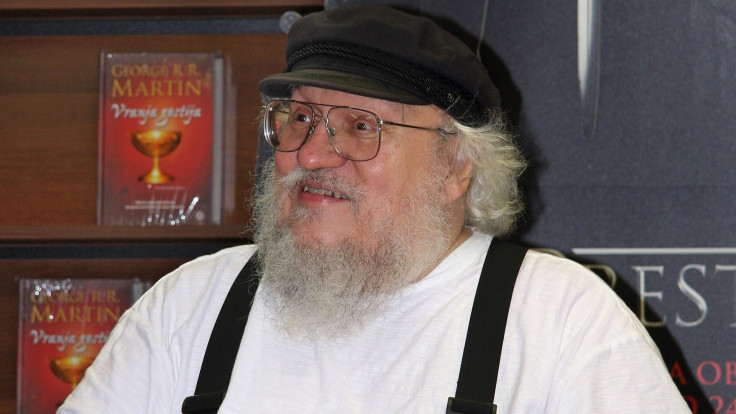
An Author Pulled Between Duty And Desire Over The Winds of Winter
The tension running through Martin's comments is obvious. On one side is an unfinished manuscript that has become an object of almost unhealthy attention, along with the author's own stated sense of obligation. On the other is an ageing writer who feels the weight of expectation and has watched a previous generation of genre giants, like Herbert, subsumed by their biggest creation.
There is, inevitably, a risk of over‑reading every sentence he gives to interviewers. Nothing in this latest conversation amounts to a formal publication date or a chapter count, and no external source has verified how close The Winds of Winter is to completion. Until Martin types 'The End' and a publisher announces a schedule, all timelines should be treated with a degree of scepticism.
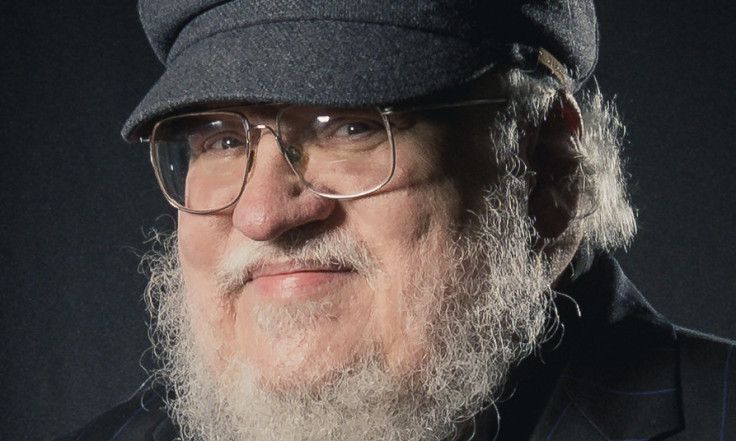
What can be said with confidence is that he is not yet ready to walk away. He still talks about finishing the book in the first person, still wrestles aloud with the fates of Sansa, Tyrion and the rest, still compares notes with the ghosts of authors who faced similar crossroads. For readers who have been waiting more than a decade to see what really happens in the snows beyond the Wall and in the ashes of Meereen, that stubbornness is both a promise and a warning. The ending they eventually get from Martin, if it arrives, is unlikely to be kind.
© Copyright IBTimes 2026. All rights reserved.