

Berlin Pride Terror Suspect 'Abdul B.' Was Known to Police and Previously Detained Before Ramming Van into Crowd
A 21-year-old suspect with a history of extremism attacks Berlin's LGBTQ community during Pride.
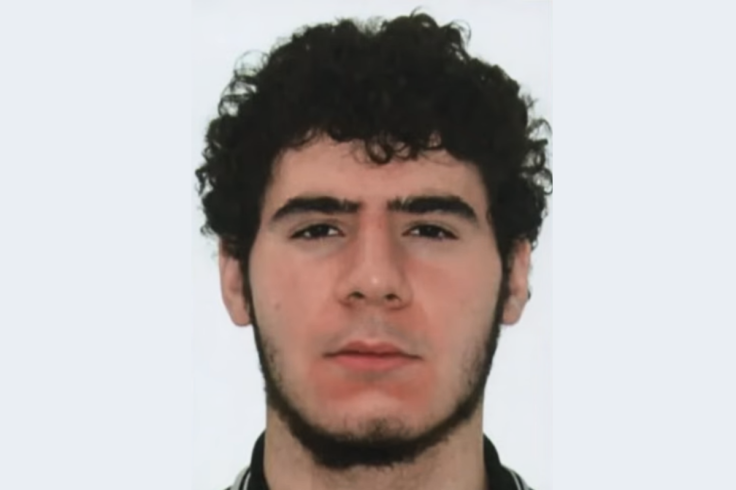
A 21-year-old German of Lebanese background, Abdul Ballout, is accused of driving a white van into a crowd near Berlin's Christopher Street Day celebrations and then attacking bystanders with a bladed weapon, killing one woman and injuring 29 people.
The attack came only weeks after his release from juvenile detention.
Attack in Tiergarten
Around 10pm, the van ploughed into people gathered in Tiergarten park near the Brandenburg Gate, close to but not on the official Berlin Pride parade route, before the driver got out and began striking victims with what witnesses described as a knife or machete-style weapon. Authorities said several of the injured were initially in life-threatening condition but later stabilised.
Known to Police and Previously Detained
Police named the suspect as Abdul Ballout, a Berlin-born German citizen with Lebanese roots who had been classified by domestic intelligence as a potentially dangerous Islamist and was already on their radar before the attack.
Officials said he was born in 2005, grew up in the city and had a string of convictions, including a 2019 schoolyard assault and a 2020 robbery involving headphones, before moving into violent extremism.
Investigators said Ballout had published propaganda supporting the Islamic State group and tried to travel to Syria to join IS, leading to a conviction for preparing a serious act of violence endangering the state. He served time in juvenile detention and was released only two months before the Tiergarten attack, still under a suspended sentence, with police searching an address in Schöneberg earlier in July and reporting they found a toy gun there.
Manhunt and Police Shooting
After the van and knife assault, police launched a nationwide manhunt and warned the public that Ballout was possibly armed and dangerous, urging people not to approach him. Special forces later tracked him to a garden complex in Spandau, where authorities said he rushed officers with a stabbing weapon and was shot; attempts to resuscitate him failed at the scene.
Political Fallout
Senior officials quickly framed the incident as a suspected Islamist terror attack aimed at one of Europe's largest LGBTQ festivals and, by extension, Germany's liberal, queer-friendly way of life. Interior officials warned of possible copycat attacks and ordered reviews of security at other Pride marches and major public events across the country.
Berlin's queer community moved from shock to collective mourning and anger, holding vigils and memorials and staging an impromptu protest at the Brandenburg Gate. Speakers accused the government of failing to protect them while cutting funding for queer organisations, vowing that they would never be erased and insisting that love conquers all even as they demanded concrete security and political support.
Chancellor Friedrich Merz and other leaders visited the scene and promised to defend Germany's openness and freedom against violent extremism, casting the attack as part of a broader assault on tolerance and LGBTQ visibility. The far-right Alternative for Germany party, already campaigning on immigration and security ahead of state elections, seized on the suspect's background and history with authorities to argue that the coalition had lost control.
Suspect Dead, Unanswered Questions Remain
The federal prosecutor general has taken over the case, a step that signals its classification as a serious terrorism matter under German law, even as investigators continue to examine Ballout's contacts and possible support networks.
Ballout's death has been confirmed following the police shooting in Spandau, bringing a formal end to the manhunt that gripped the city. Police said it remains unclear whether he acted alone, noting that an Iranian passenger was reportedly arrested and that several other people were detained and then released within 48 hours as suspicions could not be substantiated.
The case leaves unresolved questions about how a man flagged as a known Islamist and potentially dangerous came to be released only weeks before such an attack, and what that means for queer safety at public events in Germany.
© Copyright IBTimes 2026. All rights reserved.