Clavicular's Family 'Very Concerned' After Suspected Overdose During Livestream: Are They Referring to His Friends?
The incident highlights the emotional impact of real-time crises on digital platforms.

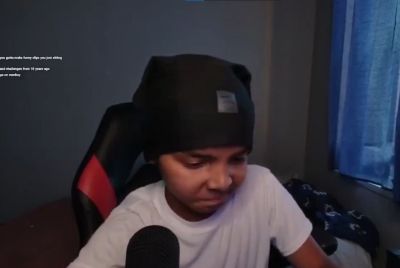
Clavicular livestream overdose has become a focal point in ongoing discussions about how audiences experience real-time crises through digital platforms, especially as details emerge around a suspected medical emergency during one of his livestreams.
What began as a routine broadcast quickly turned into a moment of confusion, concern, and speculation online, after reports indicated that Clavicular was hospitalised following what has been described as a suspected overdose during a livestream.
According to a Vanity Fair report, his family later expressed being 'very concerned' about his condition, adding to growing uncertainty around what exactly unfolded in the moments viewers were watching in real time.
This incident has now become part of a broader conversation about parasocial relationships, livestream culture, and the emotional impact of witnessing a creator's crisis as it happens.
Clavicular has been hospitalized after suspected overdose, TMZ reports.
— Pop Base (@PopBase) April 15, 2026
(https://t.co/fdQbaMBaJ0) pic.twitter.com/vkxYxxbqKc
The 'Parasocial Emergency': When Viewers Become First Responders
At the center of this story is what many are now calling a parasocial emergency, a situation where audiences feel emotionally involved in a creator's life to the point that a crisis feels immediate and personal.
In the case of this suspected overdose during a livestream, viewers were not just passive observers. Many reportedly reacted in real time, commenting, speculating, and attempting to understand whether what they were seeing was serious or staged. This blurring of entertainment and emergency is what makes modern livestream platforms so psychologically complex.
Unlike edited social media posts, livestreams remove delay. There is no filter, no editorial pause, just raw unfolding events. That immediacy is part of what makes incidents like the Clavicular hospitalisation update so widely discussed across platforms.
Clavicular hospitalized for suspected overdose while on livestream: report The controversial influencer is known for his content focused on “looksmaxxing." https://t.co/YWT9LzJjyI pic.twitter.com/sLeAFp1PSM
— UnfilteredAmerica (@NahBabyNahNah) April 15, 2026
What We Know About the Incident So Far
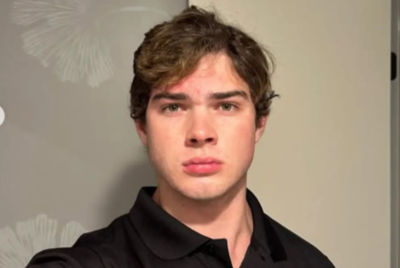
Twenty-year-old Clavicular, whose real name is Braden Peters, was interacting with fans during one of his IRL livestreams in Miami on Tuesday when he began slurring his speech and appeared to lose consciousness, reportedly after taking a substance known as a 'Pentastack'.
The substance is a dangerous mix said to include Adderall, ketamine, cough syrup, caffeine, and an anti-seizure medication that can mimic the effects of alcohol.
Clavicular said this was a 'brutal emergency' that the life-saving efforts at the hospital left him with blood and scratches on his face.
Livestream Culture and the Pressure of Constant Visibility
Dr. Don Grant, a psychologist and national adviser for Newport Healthcare, explains that the use of unregulated peptides is rising, particularly among individuals influenced by social media personalities.
He notes that he has encountered patients using peptides and has advised them to 'stop it.' He further emphasises, 'It should never be done or taken without the supervision, approval, and monitoring of a medical doctor,' he adds.
The real-time nature of streaming creates a unique pressure loop. Audience engagement is instant, and creators often respond in kind. This can lead to escalating behavior patterns that blur the line between content and lived experience.
Audience Reaction and the Emotional Fallout
One of the most striking elements of this case is the livestream audience reaction emergency that unfolded alongside the event itself.
Viewers reportedly struggled to determine what was happening in real time, leading to waves of concern, confusion, and speculation across social platforms. Some users attempted to piece together timelines, while others expressed distress at witnessing what appeared to be a serious medical situation unfold live.
This type of engagement highlights how parasocial relationships can deepen emotional responses. When viewers feel connected to a creator, even indirectly, emergencies can feel personal, even urgent.
Unfiltered Online Moments
The reason the Clavicular situation has gained international attention is not just because of one creator, but because it reflects a larger pattern in digital culture.
Across platforms, from Kick-style livestreaming ecosystems to more mainstream services, audiences are increasingly exposed to unfiltered, unpredictable content. The boundary between performance and reality continues to thin.
This is where the broader conversation around Kick streamer overdose incident narratives and influencer mental health becomes relevant, even when specific platform details remain unconfirmed in a given case.
Streamer Clavicular Worries Fans After Looking Ill & Appearing To Overdose In Miami During Livestream
— BroBible (@BroBible) April 15, 2026
Read more https://t.co/yCgqq2ivz9https://t.co/yCgqq2ivz9
The Bigger Picture
While details about Clavicular's condition remain limited and should be treated with care, the incident has already sparked wider reflection on how audiences consume live content.
The core question is no longer just what happened during the livestream, but what it means to watch a potential crisis unfold in real time, without confirmation, context, or closure.
As more information becomes available about the Clavicular livestream overdose situation, the focus will likely shift from speculation to accountability, platform responsibility, and mental health awareness in digital spaces.
For now, what remains clear is that livestream culture has entered a new phase, one where audiences are no longer just viewers, but unwilling witnesses to events that feel as real as they are unresolved.
© Copyright IBTimes 2026. All rights reserved.
- Recommended For You