

David Harbour, Lily Allen Divorce: Inside The Controversial West End Girl Album Lyrics
Actor David Harbour discusses his reaction to Lily Allen's album, mental health, and future projects.
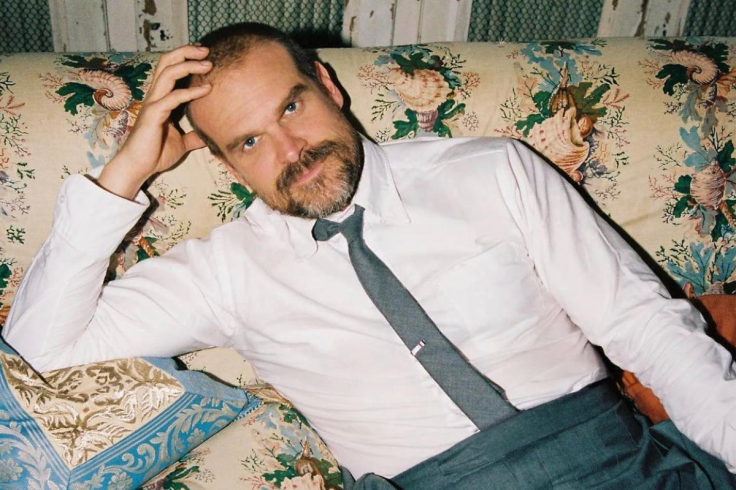
David Harbour has broken his silence on Lily Allen's West End Girl album, saying he found it 'weird' while insisting he respects her right to turn her experience into art. Speaking in a wide-ranging interview in New York, the Stranger Things star also addressed the strain of fame, his mental health, and the end of a chapter that had once looked improbably glossy.
David Harbour And The West End Girl Fallout
The news came after Allen released West End Girl in October 2025, a record widely read as a demolition job on the collapse of the couple's marriage. Harbour and Allen wed in Las Vegas in 2020 and later separated in 2025, with the album arriving long after the split had become public but still landing like a fresh bruise, thanks to its pointed lyrics about betrayal, emotional manipulation and a relationship arrangement gone badly wrong.
Harbour did not attempt a counterattack. Instead, he gave a careful, slightly bruised answer that sounded more tired than angry. 'I do believe that it is the privilege of every artist to use their experience to create art, and so I respect her for doing that,' he said, before drawing a line under the matter.

'I can't really say that much more, because it's my private life.' That may be the sanest response available in a situation that has been chewed over by fans and tabloids alike, because once a breakup becomes an album, the whole thing gets messy in a very public, slightly mad way.
Allen has said the project uses artistic licence, and Harbour was at pains not to challenge her version of events in public. He added that 'stories are complex,' then underscored the point by saying, 'It wasn't my experience.' That is where he left it, refusing to turn the interview into a grudging rebuttal or a glossy piece of self-defence.
Mental Health And The Public Spotlight
Harbour has spoken before about mental health and says he has lived with bipolar disorder, which gives his comments about the pressures of public life extra weight. In the interview, he described the past period as a 'breakdown' and said stress can trigger behaviour he later finds embarrassing and difficult to explain.
He also argued that the public conversation around mental illness is often careless, saying there is 'a lot of irresponsible nonsense going on out there.'
That part of the interview is hard to read as anything other than a man trying, however imperfectly, to reclaim a little dignity. Harbour did not offer a polished self-portrait. He talked instead about confusion, shame and the trouble with being treated as an object of fascination rather than a person.
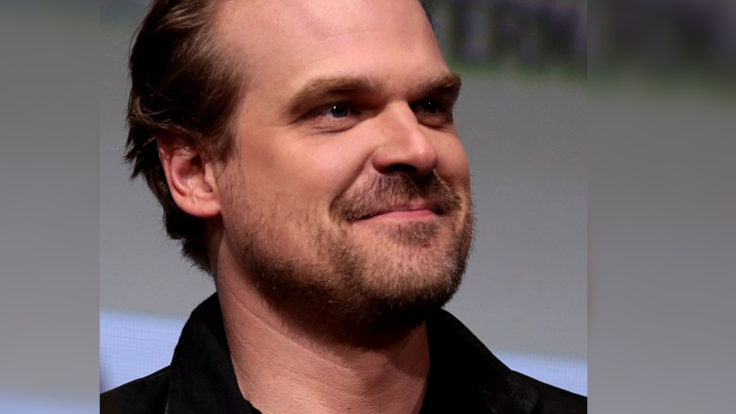
It is a familiar complaint from celebrities, but in his case it feels less like stock PR and more like the blunt aftermath of a year in which private pain and public gossip collided at speed.
He also touched on reports that Millie Bobby Brown had filed a harassment and bullying complaint against him before the final season of Stranger Things. Harbour called the timing of that story 'weird' and said the issue was resolved. Brown, for her part, later said she felt safe working with him, which at least placed one part of the online frenzy back on firmer ground.
David Harbour After Stranger Things
The interview was not only about damage control. Harbour is also trying to mark out a future beyond Stranger Things, the series that turned him into a household name and then, in a sense, made the man himself harder to reach.
He said the show had begun to repeat itself and that by the end he was ready to move on, which sounds fair enough after years inside one of television's biggest engines.
That next step is HBO's DTF St. Louis, where he plays Floyd Smernitch, an ASL interpreter with a prosthetic belly and a great deal of emotional damage. Harbour said the extra body helped him inhabit the role and loosened him up as a performer, allowing him to lean into the character's vulnerability and oddball warmth.
The show's central tension is grim enough, but Harbour clearly likes the challenge of making sadness move, dance and occasionally grin through clenched teeth.
There is something telling in that. Harbour seems most alive when he is talking about the work rather than the noise around it, whether that means the collapse of a marriage, the burden of fame or the small human ache of playing someone who cannot quite say what he feels.
'My particular talent is in allowing people to feel like they're not alone,' he said. For an actor who has spent much of the year being discussed instead of heard, that line lands with unusual force.
What Comes Next For Harbour
Harbour is now in the middle of a career reset that looks less like reinvention than correction. He is pushing into new projects, defending the value of privacy and trying, in his own words, to put his best foot forward. That may not satisfy the internet, which tends to want either confession or collapse, but it is at least recognisably human.
And after West End Girl, all the reheated gossip and the surrounding shitshow, that may be as much as anyone can reasonably expect right now.
© Copyright IBTimes 2026. All rights reserved.