'How Do You Know When You've Won?': Donald Trump Refused to Pay $20 Golf Bet to McIlroy's Ex-Agent
Chandler's amusing tale of Trump's golf antics highlights the former president's unique approach to the game.
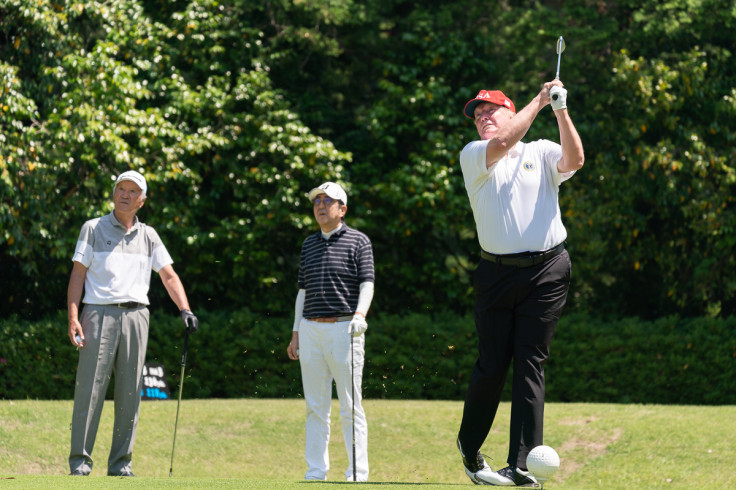
Donald Trump once refused to immediately pay a $20 golf wager after losing a round to Andrew 'Chubby' Chandler, the former sports agent who guided Rory McIlroy through the early years of his professional career, according to Chandler's recollection of the encounter.
The anecdote, shared during a recent interview, offers another glimpse into Trump's long-documented passion for golf and his fiercely competitive approach to the sport. While the amount at stake was insignificant, Chandler said the exchange left a lasting impression because of what happened after the final putt.
According to Chandler, Trump initially declined to settle the bet before eventually handing over the money through his caddie after being challenged.
Andrew 'Chubby' Chandler Recalls Playing Golf With Trump
Chandler is one of golf's best-known player managers, having represented several elite professionals over the past three decades.
He is perhaps best known for managing Rory McIlroy between 2007 and 2011, overseeing the Northern Irishman's emergence as one of golf's brightest young stars.
During that period, McIlroy won three professional tournaments, including his breakthrough 2011 US Open victory at Congressional Country Club, before ending his relationship with Chandler's management company to pursue a different business structure.
Speaking about one of his earliest rounds with Trump, Chandler said he found the future president personable and welcoming. However, the mood changed once the match was over.
According to Chandler, he defeated Trump and expected to collect the agreed wager after the round. Instead, the payment never arrived.
The $20 Golf Bet
Recalling the encounter, Chandler said he questioned Trump after noticing he had not received the money. When Chandler asked about the unpaid wager, Trump responded by asking how he knew he had won, according to Chandler. Chandler said he replied by asking Trump the same question, 'How do you know when you've won, Donald?'
Who will win the @PGAChampionship? It could be one of at least 40 players. @McIlroyRory needs to shoot 65 but my prediction is that @JonRahmOfficial will be the one lifting the wanamaker trophy #PGAChampionship #LIVgolf pic.twitter.com/Kxf28gtyHI
— chubby chandler (@chubby6665) May 17, 2026
Chandler explained that golfers traditionally settle wagers immediately after a match has finished.
According to Chandler, Trump replied that he did not pay anyone after losing. Rather than letting the matter go, Chandler said he insisted the wager should be honoured.
Eventually, Trump instructed his caddie to hand over the $20. While the amount was modest, Chandler suggested the exchange reflected Trump's intensely competitive personality on the golf course.
Trump's Long Relationship With Golf
Trump has long described golf as one of his favourite pastimes and owns numerous golf properties through the Trump Golf portfolio in the United States, Scotland, Ireland and the Middle East.
He has frequently hosted professional tournaments and celebrity events while also playing regularly throughout both of his presidential terms. Over the years, stories about Trump's competitiveness during rounds have become a recurring feature of golf circles.
Supporters often describe him as an enthusiastic and committed golfer, while critics have questioned various claims about his playing ability and reported scores.

Chandler's story does not allege cheating or misconduct during the match itself. Instead, it focuses on what happened after the round concluded.
Despite the disagreement over the wager, Chandler did not portray Trump as hostile. Reflecting on the experience, he said, 'He is the way he is about golf. He is far more positive than negative.'
The comment suggested Chandler viewed the episode as part of Trump's broader personality rather than a uniquely unpleasant interaction.
Chandler Also Discusses Trump and Modern Golf
The anecdote emerged during a wider conversation about golf's current landscape and Trump's continuing influence within the sport. Chandler was asked about speculation surrounding Trump International Golf Links in Ireland and whether high-profile players could appear there during the Irish Open.
He suggested it would be 'massive' if Bryson DeChambeau entered the tournament, adding that it would bring significant attention to the event. His comments arrive against the backdrop of continuing discussion surrounding DeChambeau's rules controversy at The Open Championship earlier this year.
During the tournament, television footage appeared to show DeChambeau pressing down long grass behind his ball before playing a shot.
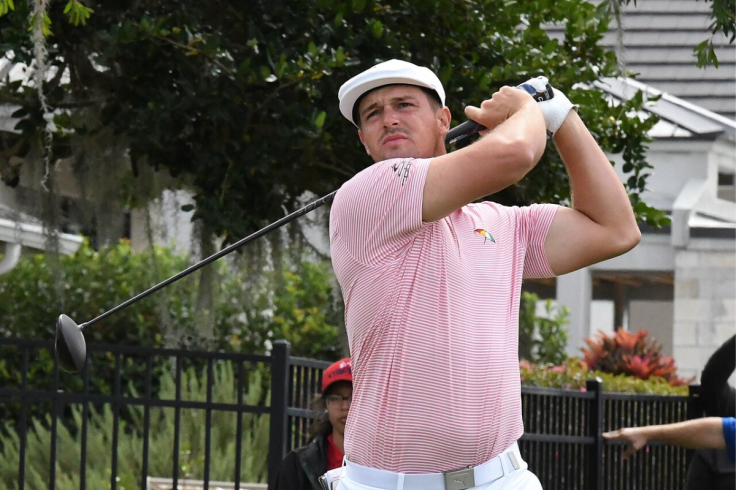
Officials later reviewed the incident and assessed a two-stroke penalty, concluding he had improved the conditions affecting his stroke.
The decision prompted widespread debate among players and commentators. McIlroy later criticised DeChambeau's actions, describing them as 'performative' and saying he was 'not particularly fond of him.'

Although Chandler did not directly link Trump's golf habits to the DeChambeau controversy, his interview touched on several of the sport's biggest personalities, highlighting the overlap between professional golf, celebrity and politics.
Why the Story Continues to Resonate
On its face, a dispute over a $20 bet is hardly consequential. Yet stories like Chandler's continue to attract attention because they offer small, personal glimpses into Trump's behaviour away from formal political settings.
Throughout his business career and public life, Trump has cultivated an image of relentless competitiveness, particularly in golf, where he has spent decades building courses, hosting tournaments and playing with athletes, celebrities and political figures.
My very own @mipaltan cap as donated by @Harv366 and @josbuttler #bighead pic.twitter.com/wBHyRs0mjG
— chubby chandler (@chubby6665) December 9, 2016
Chandler's recollection fits comfortably within that wider narrative. According to his account, Trump ultimately honoured the wager, but only after being reminded that losing a golf bet traditionally means paying it.
Neither Trump nor representatives for the Trump Organization have publicly commented on Chandler's recollection.
Like many personal anecdotes involving well-known public figures, the account reflects one participant's memory of events. Even so, it adds another chapter to the long-running collection of stories surrounding Trump's relationship with golf, a sport that has remained a constant feature of his public identity for decades.
© Copyright IBTimes 2026. All rights reserved.
- Recommended For You