Woman Says She Returned From Uganda as Ebola Measures Were Announced, But Faced No Checks at US Airport
Kelly said she travelled through western Uganda away from the Ebola epicentre, felt no health concerns, and passed through US airport screening without any checks.

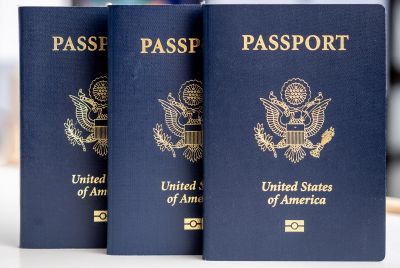
A US traveller who flew back from Uganda to Washington DC on 24 May has said she was not subjected to any Ebola-related screening at Dulles International Airport, despite newly announced restrictions and health checks linked to outbreaks in Central Africa.
The Ebola airport screening claims were made by journalist Laura Kelly. In a report from The Hill, she described passing through border control without temperature checks, questioning, or secondary inspection after traveling through Uganda during the policy rollout.
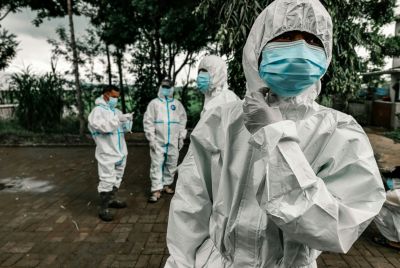
The news came after the Trump administration introduced tighter travel measures for people arriving from Uganda, the Democratic Republic of the Congo, and South Sudan, amid concern over Ebola cases reported in the region.
Authorities had said enhanced screening would be carried out for Americans returning from affected areas, while foreign nationals and, later, some permanent residents faced entry restrictions.
Kelly said she had been in western Uganda at the time, roughly 200 miles from the outbreak's epicentre in Ituri Province in neighbouring Congo. She noted she had not travelled to Kampala, where confirmed cases had been reported, and said she felt no immediate health concerns during her trip.
At Dulles, she described moving through Global Entry as normal. After biometric checks and a brief wait, she recalled hearing an officer refer to Uganda while processing another passenger ahead of her. That traveller was directed for further screening. When Kelly's turn came, she was simply asked whether she had anything to declare before being waved through.
'No,' she replied, before being told, 'Have a nice day.'
US authorities had stated that returning travellers from designated countries could face screening procedures including questionnaires, temperature checks, and medical observation if symptoms were present.
US Health Protocols During Ebola Outbreak
US health agencies have long relied on layered screening systems during outbreaks, combining border checks with symptom monitoring.
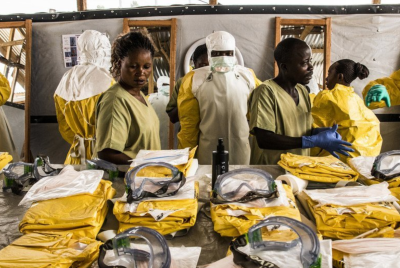
A spokesperson for the Centres for Disease Control and Prevention previously said Ebola is not spread by individuals who are not showing symptoms, adding that those identified as potentially ill would be referred for further medical assessment and possible isolation.
The CDC also outlined standard procedures, which can include short interviews about travel history, contact tracing details, and observation by health staff at designated airport points.
However, the agency did not directly address Kelly's specific experience or whether screening levels had been consistently applied at US entry points during the current restrictions.
Kelly's account echoes a similar experience described by Dr Craig Spencer during the 2014 Ebola outbreak, when he returned to New York after treating patients in West Africa. He later said he had to alert officials himself to ensure he was properly monitored, raising questions at the time about how consistently protocols were being followed.
Travel Rules in the US During Outbreaks
The US government has been using an old 1944 law to limit entry for travellers coming from countries where Ebola cases have been reported.
The same law was also used during the COVID-19 pandemic under a policy known as Title 42. These rules are meant to reduce the chance of diseases entering the country, although experts disagree on how effective they really are.
Officials have also talked about monitoring some Americans who return from high-risk areas in special medical centres, possibly located in East Africa. Supporters say this could help stop infections early. But critics warn it might make people less willing to report symptoms or cooperate with health checks.
Health experts also point out that outbreaks are harder to control in places affected by conflict or weak healthcare systems. In those situations, delays in finding and treating cases can help the disease spread faster, which is why border checks alone are not enough to stop an outbreak.
Screening Systems Are Very Important
Public health specialists have repeatedly stressed that screening systems rely heavily on visible symptoms, meaning asymptomatic travellers may pass through undetected even under enhanced checks. That limitation has fuelled ongoing debate over how effective airport-based controls can be during fast-moving outbreaks.
Kelly's account does not confirm a policy failure, but it does raise questions about how consistently enhanced screening is applied in practice, particularly during early stages of outbreak response when procedures may still be shifting.
For now, US agencies maintain that monitoring systems remain in place and that travellers showing symptoms would be flagged for further assessment.
© Copyright IBTimes 2026. All rights reserved.
- Recommended For You