

Erika Kirk Warns Judge That Redacting Evidence in Husband's Murder Will Drive 'Speculation and Conspiracy Theories'
Erika Kirk has urged a Utah judge to allow wider public access to evidence in the Charlie Kirk murder case, warning that redactions could fuel conspiracy theories.
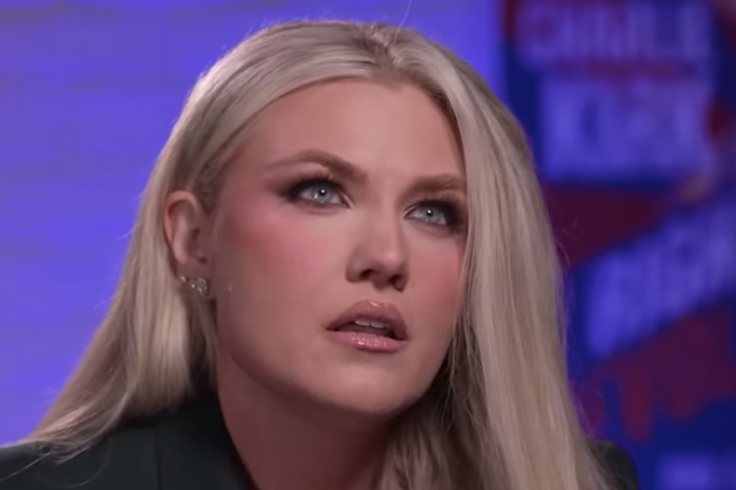
Erika Kirk has told a Utah judge that restricting access to evidence in the murder case of her husband, Charlie Kirk, risks fuelling 'speculation and conspiracy theories,' after parts of a video interview connected to accused gunman Tyler Robinson were withheld during a preliminary hearing this week. Judge Tony Graf said on Thursday that not every exhibit would be shown publicly as he seeks to protect Robinson's right to a fair trial.
For context, Charlie Kirk, founder of the conservative youth organisation Turning Point USA, was killed while debating students at Utah Valley University last September. Robinson is accused of murder, though no trial date has been set and he has not been convicted.
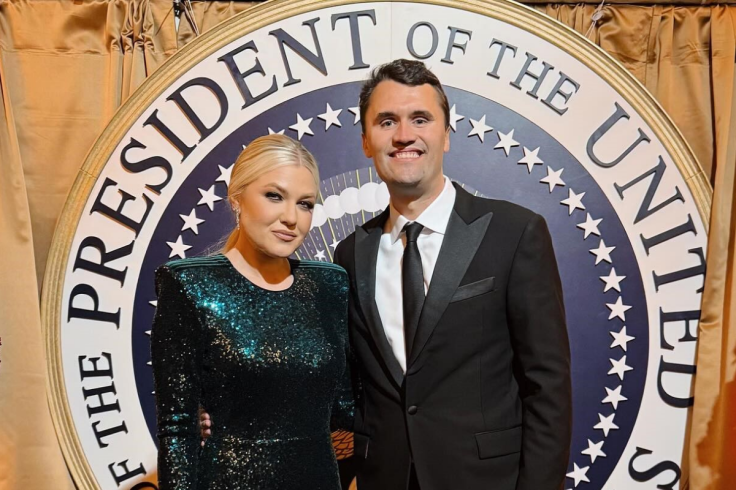
Erika Kirk Challenges Limits On Evidence
Kirk, joined in court by her late husband's parents, objected after Graf ordered extensive redactions to a recorded interview with Robinson's former roommate, Lance Twiggs. The recording reportedly contains discussion of texts, chat logs and a note that the defence argued could be viewed as a confession if released before trial.
Her lawyers filed a motion arguing that victims' representatives cannot meaningfully observe a hearing if evidence is admitted but kept from their view.
'Erika Kirk, the widow of Charlie Kirk, and his grieving parents travelled to this courtroom for one reason, to be present at these proceedings and to bear witness to the evidence concerning the death of their husband and son,' the filing said.
The motion continued that the family had at points been physically present while evidence was received by the court but not displayed to them. In their view, that left them 'present in body' while unable to observe the material central to the hearing.
Jeffrey Neiman, representing the Kirk family, urged Graf to reconsider the restrictions. He said the family believed the public should see evidence entered at the hearing without redactions, arguing that the court had other means to safeguard Robinson's right to a fair trial.
'This court has tools at its disposal to make sure the defendant receives a fair trial,' Neiman told the judge. 'You'll use them if you find that you need to.'

The family's wider concern is not hard to follow. Secrecy in a case already surrounded by intense online attention can leave a vacuum, and vacuums tend to fill quickly with wild claims. But a preliminary hearing is not a public referendum on guilt.
Erika Kirk's Transparency Argument Meets Fair-Trial Test
Graf rejected the request for all exhibits to be displayed in real time, setting out a tiered approach to evidence. The judge said the court would first decide whether material could be considered for probable cause, then whether it could be shown to those in the courtroom and finally whether it could be broadcast to the wider public.
'After careful consideration, the court determines that not all exhibits will be visually displayed to the gallery,' Graf said. He stressed that the decision was not intended to diminish the concerns or rights of the victim's representatives, but to ensure Robinson receives a fair trial.
That balance is central to the dispute. Prosecutors must show sufficient evidence for the case to proceed, while the defence has raised constitutional concerns about potential jurors seeing material that could be interpreted as a confession before a trial begins. Graf agreed to redact about 16 minutes of Twiggs' roughly 37-minute video statement, according to reporting from the hearing.
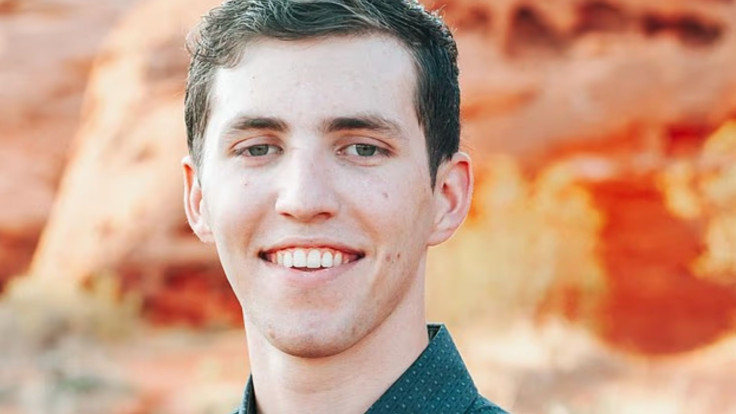
The judge is still expected to consider the redacted material in deciding whether there is probable cause to send Robinson to trial. Some evidence, including text and Discord messages, was permitted to be released publicly despite defence objections.
In their filing, the Kirks argued that limited access would not merely frustrate the family but could further damage confidence in the courts. 'To receive evidence in a manner shielded from those seated in the courtroom is not transparency,' the motion said, warning that doubt and distrust could proliferate around the case.
The argument carries particular weight because false narratives about Charlie Kirk's death have already circulated online, including claims advanced by conservative commentator Candace Owens that have not been substantiated.
Yet the court's job is not to settle every internet theory, mad as some of them may be. It is to ensure that whatever jury is eventually chosen can weigh admissible evidence without being shaped by publicity that cannot be taken back.
Graf's ruling leaves the Kirk family with a measure of access but not the full public disclosure they sought. The preliminary hearing will determine whether the prosecution has enough evidence to take Robinson's case forward. What the public sees along the way will remain, at least for now, tightly controlled.
© Copyright IBTimes 2026. All rights reserved.