ICE Unveils $20 Million Shock Glove Plan: ACLU Warns It Cannot Trust Agents With the Device
Civil rights groups alarmed by ICE's nationwide deployment of electric shock gloves
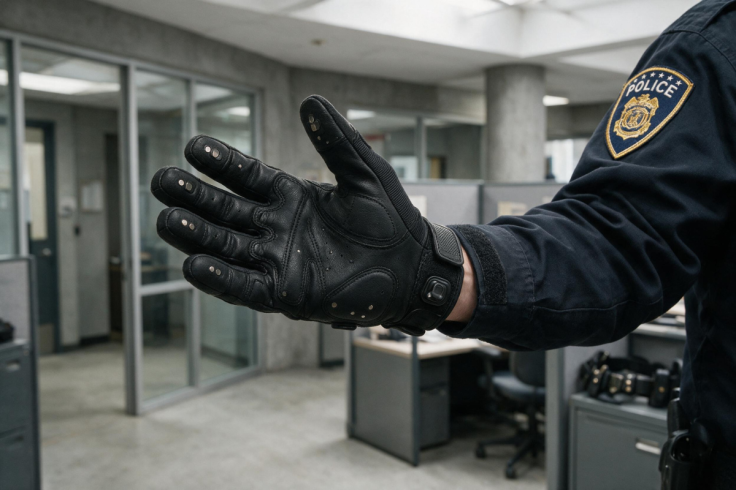
ICE is planning to spend £15.5 million ($20 million) on electric shock gloves for use across the United States, after the Department of Homeland Security published a nationwide procurement notice that has prompted immediate warnings from civil liberties groups about potential misuse.
The Department of Homeland Security published a bid notice on 10 August to purchase the weapons for federal deployment. The American Civil Liberties Union (ACLU) and other critics have questioned whether agents can be trusted with devices that deliver painful currents at the press of a concealed button.
How ICE's Shock Glove Plan Would Work
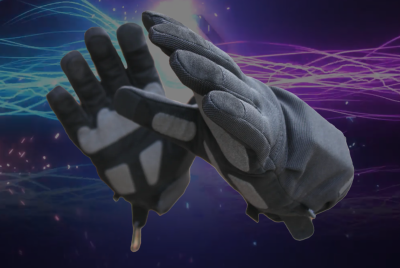
The procurement notice targets the CT-G5 Generated Low Output Voltage Emitter. Manufactured by Compliant Technologies, the device functions as a wearable glove that delivers an electrical current upon physical contact with a subject.
The manufacturer claims the weapon subdues targets within three seconds on average, reportedly without leaving burns or scars.
The gloves are already used in some American prisons, although deployment by a federal immigration agency would extend their use beyond correctional facilities. The manufacturer's user manual states that the equipment must not be used for punishment or torture and that current must not be deployed against elderly people, pregnant women, children or disabled individuals.
NEW: ICE agents could soon be hitting the streets equipped with these electric shock gloves.
— Jennie Taer (@JennieSTaer) August 12, 2026
The federal government plans to spend up to $20 million on thousands of "conductive distraction and de-escalation devices" by March, per a Monday Department of Homeland Security notice.… pic.twitter.com/A35RiKjvNp
Rights Groups Question Shock Glove Safeguards
Civil rights organisations have raised concerns about whether safeguards can be enforced in practice. Jenn Rolnick Borchetta, the deputy project director for policing at the ACLU, said the potential for discreet abuse is too high.
'I don't trust ICE agents to use this device properly,' she stated, adding that officers can now administer an electric shock 'with just the press of a button that no one might see.'
John Peters, director of the Institute for the Prevention of Deaths in Custody, described the pain of the glove as 'equivalent to being stung by a wasp.'
He said the fundamental risk of lasting injury is low, but added that 'the potential for misuse by ICE agents cannot be ruled out.' The Department of Homeland Security has not issued a formal response to the criticism.
COMING SOON: ICE TO BE ISSUED SHOCK GLOVES https://t.co/k6tDC5zxHl
— Real America's Voice (RAV) (@RealAmVoice) August 12, 2026
Use-Of-Force History Shapes Reaction To Plan
The timing of the planned acquisition follows a period of intensified immigration enforcement. Since the second Trump administration began in January of last year, the government has mandated a daily quota of 1,500 arrests. The agency faced internal pressure to meet those targets, and acting ICE director Caleb Vitello was dismissed after agents missed the early quota.
Protests against the agency took place in multiple cities last summer, prompting the deployment of armed National Guard troops in Los Angeles. By August of that year, ICE agents were dispatched into Washington, D.C., to conduct enforcement and detentions.
Enforcement activity then extended into the corporate sector by September, when federal authorities raided Hyundai and LG factories in Georgia, detaining roughly 300 South Korean employees.
In Minnesota this January, agents fatally shot Renee Good during a vehicle inspection, and another individual, Alex Pretti, was killed near the same site later that month.
It is against this recent backdrop of lethal force and expanded operations that the agency is moving to equip personnel with electrical devices, and observers have raised questions about how the gloves would be used in practice.
© Copyright IBTimes 2026. All rights reserved.
- Recommended For You