Trump BBC Discovery Order Pause: Judge Temporarily Halts Financial Records Handover
Court pauses discovery process as Trump seeks to revise complaint in BBC defamation lawsuit
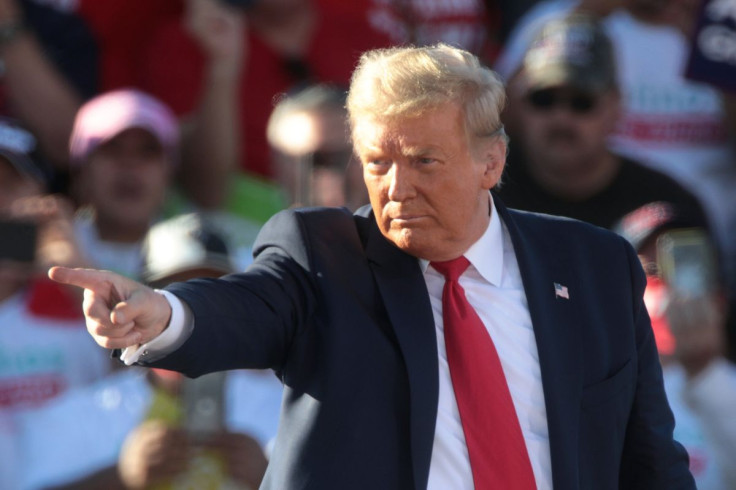
A federal judge in Washington has temporarily halted an order requiring President Donald Trump to hand over financial records about his businesses to the BBC, as the broadcaster defends an ongoing defamation lawsuit over its documentary about his January 6, 2021, speech.
The ruling, issued after Trump's lawyers sought emergency relief, pauses the discovery process while the court considers whether Trump can revise parts of his complaint.
Trump BBC Discovery Order Pause Changes the Legal Timetable
The news came after a judge ruled last month that Trump had to begin gathering the financial information by Thursday, August 6. His legal team filed a motion on Wednesday seeking to stop the order, arguing that the BBC was demanding a 'shockingly broad amount of information based on clearly political motivations.'
The emergency stay means the BBC cannot immediately proceed with the financial discovery covered by the earlier order.
The pause is temporary, however, and does not resolve the central dispute over whether the broadcaster's documentary amounted to defamation or whether Trump's businesses suffered legally recognisable harm.
The signed order noted that Trump's attempt to revise his complaint could affect the BBC's request for records.
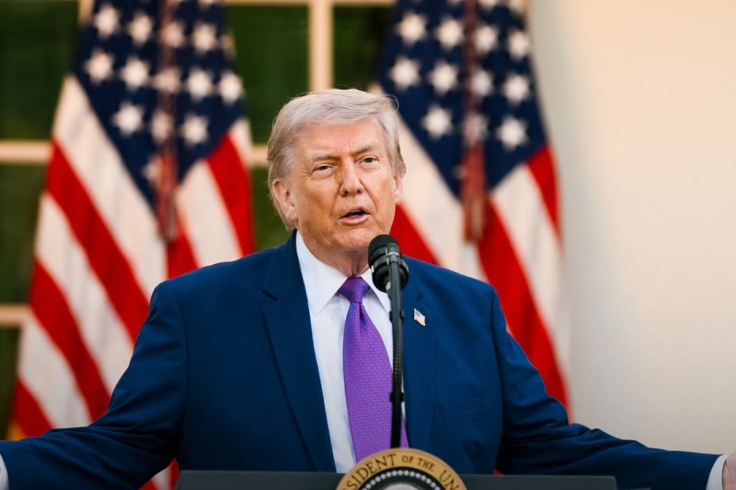
His lawyers are seeking to claim that the documentary caused reputational damage, an argument that could alter the scope of the financial information the broadcaster is seeking.
Financial records are not being requested simply as a general examination of Trump's companies. The BBC has stated that it needs the documents to determine whether the businesses suffered as a result of the documentary's broadcast in the United Kingdom.
For now, the court is weighing the shape of Trump's revised allegations before allowing that process to move forward.
What Trump BBC Discovery Order Pause Means for the Case
Trump's lawsuit centres on a 2024 BBC documentary that used edited sections of his speech from January 6, 2021.
He argues that the programme cut different parts of the speech together in a way that made it appear he was calling on supporters to attack the US Capitol.
The BBC has already apologised for the editing, describing it as an unintentional error. At the same time, the network has denied that the edit meets the legal standard for defamation.
That leaves the case in an awkward but familiar legal position. The broadcaster has accepted that the editing was wrong, but it disputes Trump's claim that the mistake caused the kind of measurable business or reputational damage that would justify the lawsuit.
Trump's legal team says the documentary put his finances at risk and harmed his businesses. The BBC's position, as described in the proceedings, is that the records are necessary to test those claims.
The court must now decide how much of that material is relevant, and whether Trump's proposed changes to the lawsuit should be allowed before discovery continues.
What Does This Mean for Trump's Lawsuit?
The immediate effect is procedural rather than final. Trump has not won the lawsuit, and the BBC has not been cleared of the underlying allegations. The judge has simply pressed pause on one part of the evidence-gathering process while considering the next legal step.
That may sound technical, but discovery is often where high-profile cases become far less theatrical. Claims about reputational harm must eventually be tied to evidence, including records that show what changed, when it changed and whether the alleged damage can be connected to the disputed publication.
The BBC's apology will likely remain central to the argument, although it does not settle the question of legal liability. An acknowledged editing error can coexist with a defence that the publication did not cause the financial losses alleged by the claimant. That is the gap the court is being asked to examine.
The dispute is also part of a broader pattern in Trump's dealings with major media organisations. He has previously pursued legal action against ABC News, The New York Times and The Wall Street Journal over coverage he considered unfair or defamatory.
In this case, the next important question is not whether the BBC made an editing mistake. It has already said that it did. The fight is over what that mistake caused, what can be proved, and how far into Trump's business records the broadcaster should be allowed to look.
© Copyright IBTimes 2026. All rights reserved.
- Recommended For You