Ferrari Luce Release and Delivery Timeline, Specs, Features, Pricing and Everything We Know So Far
Ferrari's Luce blends electric innovation with iconic luxury.
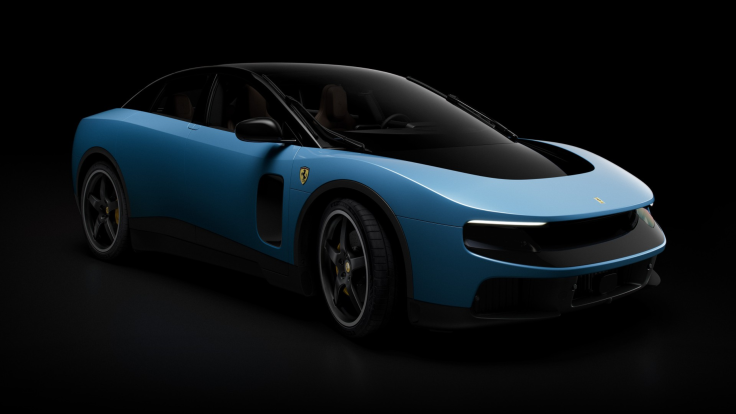
Ferrari has finally unveiled the Luce, its first fully electric car, in Rome on May 25, 2026. The four-door grand tourer, developed with Jony Ive's LoveFrom studio, is Ferrari's bid to enter the electric era without losing the drama that defines the badge.
@Ferrari has unveiled its first fully electric vehicle, the Ferrari Luce, marking a significant milestone in the company’s history as it enters the EV segment while introducing a five-seat configuration for the first time.
— BioEnergy Times (@BioenergyTimes) May 26, 2026
Read More: https://t.co/0N8xyePcf0#BioEnergyTimes pic.twitter.com/ZZwha2TP4C
The launch has been months in the making. Ferrari first revealed the powertrain and battery in October 2025, then showed the name and interior in February 2026, before presenting the finished production car in Rome.
What Ferrari Has Shown So Far
Ferrari is presenting the Luce as its first full EV, but it is not being treated as a replacement for the rest of the range. Chief executive Benedetto Vigna has said the car is an addition to the line-up rather than a break with petrol and hybrid models.
That fits Ferrari's wider plan for 2030, which still leaves room for combustion engines and hybrids alongside electric cars. The Luce matters, but it is only one part of the company's broader strategy.
Even the name has meaning. Luce means 'light' in Italian, a simple nod to Ferrari's first electric model and the company's attempt to frame the car as something elegant rather than purely technical.
Ferrari Luce. In Italian, Luce means 'light'. Light feels like the perfect metaphor for Ferrari's new interior design language for their next generation of cars from none other than Jony Ive,
— Moses Kemibaro (@moseskemibaro) April 17, 2026
Jony Ive, for the uninformed, is the famed former Chief Creative Designer at Apple who…
Ferrari has also been careful not to market the Luce as a conventional EV aimed at mass adoption. Instead, the company is positioning it as a flagship grand tourer designed to preserve the emotional appeal and exclusivity associated with the brand.
Performance and Power
On paper, the Luce looks serious. It uses four electric motors, one at each wheel, and total output is reported at just over 1,000 horsepower, with some outlets putting the figure at around 1,035 hp or 1,036 hp.
Ferrari says the car can accelerate from 0 to 100 km/h in about 2.5 seconds and reach a top speed of more than 310 km/h. That puts it firmly in supercar territory, even though it is being sold as a four-door grand tourer rather than a traditional two-seater sports car.
The battery is a 122 kWh unit, and Ferrari says the Luce can travel more than 500 km on a charge, with WLTP range figures in some reports rising to 530 km or more. Fast charging is expected to peak at 350 kW.
Those figures are significant because they place the Luce directly into competition with the highest end of the luxury EV market rather than positioning it as a cautious first attempt. Ferrari appears determined to show that electrification does not mean sacrificing outright performance.
Design and Interior
Ferrari has put just as much effort into the cabin as it has into the powertrain. The Luce was developed with LoveFrom, the design studio founded by former Apple design chief Jony Ive, and the interior has quickly become one of the most talked-about parts of the car.
Reports so far describe it as a four-door model built for five passengers, with a 600-litre boot and a layout focused on luxury grand touring rather than stripped-back track driving. It feels more like Ferrari's idea of an everyday ultra-premium GT than a simple electric experiment.There is also a clear effort to keep the cabin tactile. Coverage of the interior highlights physical controls, aluminium details and a deliberately hands-on interface, showing Ferrari wants the Luce to feel special rather than screen-heavy.
That approach matters because some luxury buyers have become frustrated with interiors dominated entirely by touchscreens. Ferrari appears to be trying to balance modern EV technology with a more traditional sense of craftsmanship and driver involvement.
Price and Deliveries
The Luce will not come cheap. Reuters and other outlets have reported a price of around €550,000, while other estimates place it above €500,000, with some putting the figure closer to $640,000.
Ferrari just dropped its first fully electric car: the $640,000 Luce.
— Football (@kenyasiasani) May 26, 2026
It's their debut 5-seater EV and it's an absolute monster 0-60mph in roughly 2.5 seconds.
Is it worth the price tag? 🔥
Ferrari says first deliveries are expected in the fourth quarter of 2026, so buyers will still have to wait a few months before the cars start arriving. Production is expected to take place at Ferrari's e-Building in Maranello.
The company is also expected to keep production relatively limited, which would be consistent with Ferrari's long-standing strategy of maintaining exclusivity rather than chasing high-volume sales.
Why It Matters
This is a major moment for Ferrari because it is entering the EV market at a time when some luxury brands are becoming more cautious about the transition. The Luce is Ferrari's answer to that uncertainty, and the company is clearly pitching it as a car that makes the electric shift feel special rather than forced.
But the early reaction shows that the market is not automatically sold. Ferrari shares fell after the reveal, underlining the scepticism that still surrounds the company's electric future, even after such a high-profile launch.
FERRARI $RACE SHARES PLUNGE AFTER COMPANY LAUNCHES ITS FIRST EV CAR LUCE 🤣 COSTING $640,000 and looks like a computer mouse. pic.twitter.com/MQPobWiMSC
— Seaside Trader (@csidetrader) May 26, 2026
That reaction highlights the pressure Ferrari is under. Investors are not just judging whether the Luce is fast or expensive enough; they are judging whether the company can protect its identity in a market that is rapidly changing.
© Copyright IBTimes 2025. All rights reserved.
- Recommended For You