Hate No More: World Cup Captains Unite Against Explosive Social Media Abuse Crisis
World Cup captains take a stand against online hate as FIFA reveals a surge in abusive posts, while separate controversies continue to dominate tournament discussions.
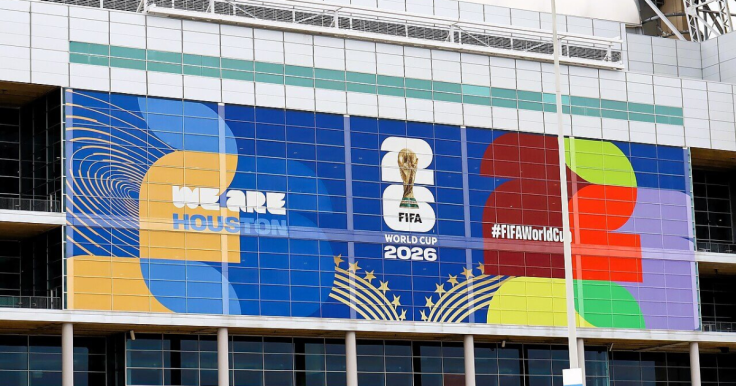
The 2026 World Cup has barely begun, yet FIFA has already been forced into a battle away from the pitch.
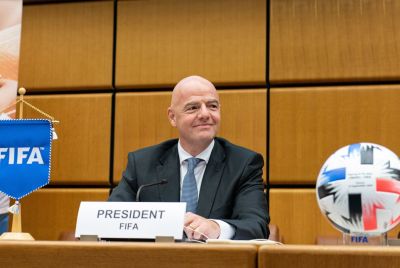
Football's governing body revealed that it has removed 388,000 abusive social media posts and comments since the tournament kicked off on 11 June, a staggering figure that already exceeds the 287,000 posts removed during the entire 2022 World Cup in Qatar.
The revelation has added fresh urgency to FIFA's anti-hate campaign, which will take centre stage across Thursday's fixtures as team captains make a visible stand against discrimination and online abuse.
Stop hate, protect football. Since the FIFA Social Media Protection Service launched…
— FIFA (@FIFAcom) June 18, 2026
🔎 250M+ comments and posts reviewed
❗️ 30M+ harmful comments and posts identified
Stepping up action against online abuse. pic.twitter.com/Ui5GOn7oOL
Online Abuse Reaches New Levels
According to FIFA, more than 30 million abusive posts and comments have been removed since its Social Media Protection Service was launched ahead of the 2022 World Cup. The system is designed to shield players, coaches, referees, and teams from harmful content, including discriminatory and threatening messages that often surge during major international tournaments.
This year's numbers suggest the problem is getting worse, not better. With millions of fans reacting instantly online to every mistake, controversial decision, and disappointing result, football has become a breeding ground for abuse. Players can go from heroes to targets in a matter of minutes, particularly after high-profile errors or defeats. It is against that backdrop that FIFA is intensifying its efforts to tackle hate speech across the game.
Captains at Thursday’s #WorldCup fixtures will exchange special pennants denouncing discrimination to mark the #InternationalDayforCounteringHateSpeech, as #FIFA revealed it has blocked hundreds of thousands of abusive posts during the tournament.https://t.co/aW0YsNIFIP
— ARN News Centre (@ARNNewsCentre) June 18, 2026
Captains Lead Anti-Hate Stand
Thursday's World Cup fixtures will feature a coordinated anti-discrimination gesture involving team captains from the Czech Republic, South Africa, Mexico, South Korea, Switzerland, Bosnia-Herzegovina, Canada, and Qatar.
Before kick-off, captains will exchange commemorative pennants carrying the message: 'We Play Together. We Stand Against Hate.'
The initiative marks the International Day for Countering Hate Speech and forms part of FIFA's broader campaign to promote inclusion and challenge discrimination both online and inside stadiums.
The message is simple, but FIFA hopes it carries weight at a time when abuse continues to spread across social media platforms at alarming levels.
More Than A Symbolic Gesture
The anti-hate initiative arrives as football faces increasing questions about how players are protected online. While social media allows supporters unprecedented access to athletes, it has also exposed players and officials to waves of hostility that would have been unimaginable a generation ago.
FIFA's moderation programme attempts to address that challenge by identifying and removing abusive content before it reaches intended targets. The latest figures suggest the system is working on a massive scale, but they also highlight the sheer volume of harmful content still being generated around the sport.
The campaign is therefore about more than a pre-match photo opportunity. It is an acknowledgement that online abuse has become one of football's most persistent modern problems.
#WorldCup26
— Fare (@farenet) June 19, 2026
At the 2026 World Cup, the captains of the teams have exchanged anti-hate pennants on the International Day for Countering Hate Speech. https://t.co/1cLQfXhOpY pic.twitter.com/X8lP2edTxA
Fan Frustrations Continue To Grow
Yet while FIFA is receiving praise for confronting hate speech, it is also battling criticism on several other fronts.
One of the tournament's most contentious issues has been the introduction of hydration breaks during matches. The stoppages were met with loud boos during England's clash with Croatia on Wednesday, with many supporters arguing they disrupt the flow of games.
The backlash has grown beyond concerns about match rhythm. Some critics believe the additional breaks create opportunities for extra commercial exposure during broadcasts, although FIFA has consistently maintained that player welfare remains the priority.
Referee Clement Turpin was met with audible frustration from supporters when signalling the stoppages during the England match, highlighting how divisive the issue has become.
Social media is an unprecedented opportunity to engage with athletes. But a lot of these interactions can be negative and hate speech towards players has become commonplace. Members of Canada's men's national team shared their experiences with @rwesthead: https://t.co/DsByIaoCKH pic.twitter.com/MZNRr32JdK
— SportsCentre (@SportsCentre) June 17, 2026
Empty Seats Raise Fresh Questions
Attendance has also become a talking point. Several matches have featured visible pockets of empty seats, including South Korea's opening game against the Czech Republic. FIFA has defended its attendance figures, suggesting some spectators were watching from concourse areas rather than their seats.
The explanation has done little to silence debate, particularly as concerns over ticket prices and stadium atmosphere continue to circulate among fans online.
A Tournament Fighting Battles On Multiple Fronts
The contrast could hardly be sharper. On one hand, FIFA is leading a high-profile campaign against online hate, backed by eye-catching figures that reveal the scale of abuse facing the modern game. On the other hand, the organisation finds itself defending decisions on everything from stadium attendance to hydration breaks.
For now, however, the anti-hate message remains impossible to ignore. With nearly 400,000 abusive posts already removed during the tournament, FIFA's latest figures serve as a reminder that some of football's biggest battles are no longer being fought on the pitch, but on screens around the world.
© Copyright IBTimes 2026. All rights reserved.
- Recommended For You