World Cup Security Fears Intensify After FBI Seize Drones and Arrest Illegal Immigrant at a World Cup Venue
Illegal drone activity near World Cup fan zone raises security alarms
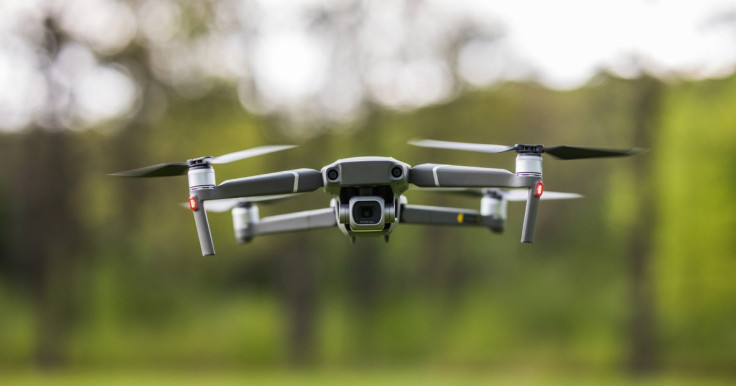
The FIFA World Cup has been hit by fresh controversy after the FBI confirmed the arrest of an illegal immigrant accused of flying a drone over a major fan zone in Atlanta, raising new concerns about security at one of the world's biggest sporting events.
Federal authorities said Lorenzo Rojas-Martinez, a Mexican national who had previously been deported from the United States twice, was detained after allegedly operating a drone near Centennial Olympic Park. The location serves as Atlanta's official World Cup fan festival site and was packed with supporters during the opening days of the tournament.
According to court documents, Rojas-Martinez was observed flying the device in restricted airspace on June 12, one day after the World Cup officially began. Investigators said he was standing in a nearby parking area while recording video footage of the fan event using the drone.
Officials later reviewed his identification and determined that he was unlawfully present in the United States following previous removals. Authorities also noted that he had a prior conviction linked to cocaine distribution. He now faces federal charges relating to the drone flight as well as illegal re-entry into the country.
Massive Drone Enforcement Operation Unfolds
The arrest formed part of a wider security operation launched by federal authorities as concerns grow over potential threats to World Cup venues and fan gatherings.
The FBI's Atlanta field office revealed that a total of 21 drones were seized during enforcement actions targeting unauthorised aircraft operating near tournament-related events. Officials stressed that strict no-fly zones remain in place around stadiums and fan parks throughout the competition.
FBI Atlanta has now seized 21 drones from operators violating the temporary flight restrictions near FIFA World Cup events downtown. Also, one operator, Lorenzo Rojas-Martinez, has been arrested for violating the TFR and also for allegedly being in the country illegally. More... pic.twitter.com/6CFCzlDoL0
— FBI Atlanta (@FBIAtlanta) June 15, 2026
'US Attorney Theodore S Hertzberg said unauthorised drone operations in restricted airspace present a serious risk to public safety, particularly during major international events such as the FIFA World Cup.'
Authorities warned that individuals caught violating the restrictions could face fines of up to $100,000, alongside potential criminal charges. While civilian drone activity has been prohibited, federal agencies continue to deploy their own aerial surveillance systems to monitor crowds and protect tournament venues.
Security experts have repeatedly highlighted the growing threat posed by drones at major public gatherings, particularly as technology becomes cheaper and more widely available.
Cyber Threats Add to Tournament Concerns
The latest developments come amid reports that an Iran-linked hacker group claimed to have breached FBI drone systems ahead of the tournament.
The group, known as Handala, allegedly stated that it had gained access to surveillance data collected by drones operating around World Cup venues. According to monitoring organisation SITE Intelligence Group, the hackers claimed to possess images and information gathered over several months.
ATLANTA – Lorenzo Rojas-Martinez, an illegal alien from Mexico with a prior cocaine distribution conviction, faces federal charges for flying a drone over Centennial Olympic Park during the FIFA Fan Festival in Atlanta and for illegally reentering the United States after two... pic.twitter.com/LqEg8CvpYa
— US Attorney NDGA (@NDGAnews) June 15, 2026
Handala also issued an apparent warning directed at tournament organisers, suggesting security measures should be strengthened. However, SITE questioned the authenticity of the images and footage released by the group and disputed claims that the material originated from hacked FBI systems.
The Justice Department has previously warned that Iranian-linked cyber actors could target American infrastructure following escalating tensions in the Middle East earlier this year.
Tournament Faces Growing List Of Problems
The drone incident marks yet another challenge for a World Cup already overshadowed by controversy.
Since the tournament began, organisers have faced criticism over travel disruptions, visa complications, security concerns and political disputes. Several supporters, journalists and officials have reportedly encountered difficulties entering the United States.
One of the most notable cases involved Somali referee Omar Artan, who was removed from FIFA's officiating list after reportedly being denied entry upon arrival in Miami. US officials cited alleged security concerns, a decision that sparked debate among football supporters and international observers.
With security agencies remaining on high alert, tournament organisers now face mounting pressure to ensure the remainder of the World Cup proceeds without further disruption.
© Copyright IBTimes 2026. All rights reserved.
- Recommended For You