Blame Game: FIFA Claims Fans 'Chose to Stand' to Hide Humiliating World Cup Attendance Deficit
FIFA faces backlash over the World Cup empty-seats controversy after claiming fans were 'standing elsewhere' to explain visible gaps in stadiums.
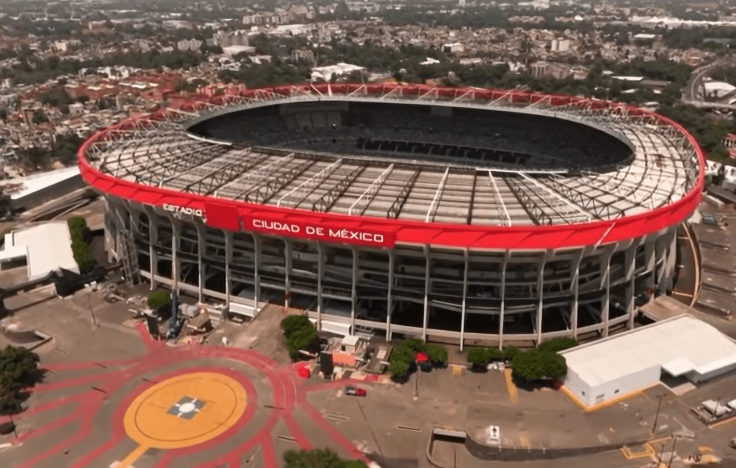
The credibility of the FIFA World Cup 2026 is under intense scrutiny as a growing controversy over empty seats widens the gap between official data and the reality millions of viewers see. While the governing body continues to report near-capacity figures, television coverage of the tournament has frequently featured vast swathes of unoccupied rows, triggering a blame game that pits FIFA's technical definitions against the lived experience of the global football community.
At the heart of the tension is FIFA's recent response to accusations of inflated crowd numbers. The organisation has attributed the visible gaps to spectators who are present within the stadium footprint but are 'choosing to stand' in concourses or amenities areas rather than sitting in their assigned seats. This explanation has been met with widespread derision, serving as a flashpoint for fans who feel their visual observations are being dismissed.
Guadalajara Match Sparks First Wave Of Backlash
The controversy intensified during South Korea's 2-1 win over Czechia at Estadio Chivas in Guadalajara, where broadcast footage showed noticeable empty sections throughout the match.
FIFA reported an official attendance of 44,985 in a stadium with a capacity of 45,664, a difference of just 679 seats. On paper, that suggests a near sellout. On screen, it looked very different.
This disconnect quickly fueled the debate over FIFA stadium crowd attendance issues, with fans questioning how two versions of the same event could appear so different. The Guadalajara match has since become the key reference point in discussions of the broader FIFA World Cup empty-seats controversy.
FIFA makes desperate excuse for World Cup empty seats embarrassment - and blames the FANS - following shambolic scenes in South Korea matc https://t.co/QmnEVUaT3q
— Scottish Daily Mail (@MailOnlineScot) June 13, 2026
FIFA's 'Standing Fans' Explanation Becomes The Breaking Point
FIFA responded by stating that attendance figures are based on scanned tickets and total presence inside the stadium footprint, not visual seat occupancy at any given moment.
The governing body added that some spectators may have moved around the venue, including concourses and standing areas, during the match.
It is this specific detail, the idea that fans were 'present but standing elsewhere', that has driven the most scepticism. Many viewers argued that even if movement occurred, it did not account for the extent of empty seating visible in broadcast angles.
The explanation has therefore become central to the growing perception that FIFA's messaging does not align with the lived stadium experience.
Why Fans Don't Believe The Numbers
Much of the backlash stems from the contrast between official reporting and televised reality. Fans watching from home pointed out repeated visual gaps in seating, even during high-profile matches.
This has intensified criticism around FIFA's communication strategy, with many suggesting the organisation is prioritising technical definitions of attendance over what is actually visible inside stadiums.
The result is a widening trust gap, in which the FIFA World Cup empty-seats controversy is no longer just about numbers but about credibility.
Ticket Prices Add Fuel To The Frustration
The dispute over attendance has merged with growing anger over the World Cup ticket prices controversy, as fans highlight how expensive it has become to attend matches in person.
Reports of premium tickets priced in the thousands of dollars, alongside high demand for hospitality packages, have reinforced concerns about the affordability of World Cup 2026 for fans.
One fan described the emotional impact of realising that attending a match with a child may no longer be realistic, capturing a broader sense of exclusion among ordinary supporters.
This sentiment has become central to discussions about whether football's biggest tournament is still accessible to the families who built its global following.
Matchday Costs Extend Far Beyond Tickets
The financial burden does not stop at entry tickets. At venues such as SoFi Stadium in Los Angeles, fans have faced steep prices for basic food and drinks, with items like water, burgers, and nachos costing significantly more than at typical stadiums.
Alcohol and merchandise further increase total expenses, reinforcing criticism of FIFA's concessions and merchandise prices.
When combined with ticket costs, these expenses contribute to a growing perception that attending matches is a luxury rather than a shared sporting experience.
Parking Costs Highlight The Full Barrier To Attendance
Transportation has also become part of the debate. Reports from Los Angeles indicate that parking costs near stadiums can reach well over $100, with parking closer to the stadiums significantly higher.
Even more affordable parking often requires long walks, adding physical inconvenience to financial strain. These conditions have become a talking point in discussions of stadium parking costs for the 2026 World Cup.
Together, these expenses create what many fans describe as a total cost barrier to attendance.
A Growing Divide Between Football And Its Fans
The FIFA World Cup empty seats controversy now extends beyond stadium visuals. Rising costs, disputed attendance explanations, and visible stadium gaps have combined into a broader narrative that questions who global football is really for.
As the tournament expands and commercial stakes increase, many supporters are left asking whether the World Cup still belongs to them or has become an exclusive global product shaped more by economics than emotion.
For supporters who have followed the game for generations, the current state of affairs raises a pointed question: Does the World Cup still belong to the people, or has it become an exclusive product? Unless FIFA addresses the disconnect between its numbers and the reality in the stands, that trust gap will only continue to widen.
© Copyright IBTimes 2026. All rights reserved.
- Recommended For You