

Director Carl Rinsch Gets 2.5 years for Defrauding Netflix of £9.2M, Luxury First Over 'White Horse' Film
Hollywood director Carl Rinsch to be in prison for diverting $11 million from a Netflix project into personal luxuries and failed investments.
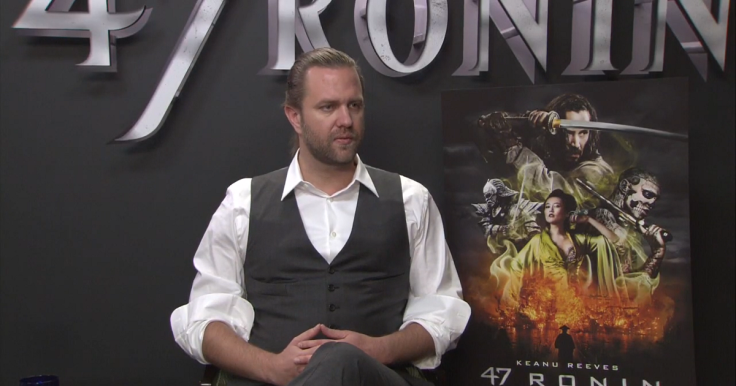
A Hollywood director once entrusted with tens of millions of dollars to create Netflix's next science fiction hit will instead spend the next two and a half years behind bars. Carl Rinsch was sentenced after a federal court found he diverted millions intended for an unfinished series into luxury purchases, failed investments and personal indulgence.
Rinsch, 48, received a 30-month prison sentence on Monday after being convicted in December of wire fraud and related offences stemming from an $11 million (£9.2 million) scheme involving the abandoned Netflix project 'White Horse.' The filmmaker, best known for directing the 2013 fantasy film '47 Ronin', must also repay roughly $11 million in restitution.
Netflix's Ambitious Project Ended in Court
The case centres on White 'Horse', a science fiction series Netflix commissioned in 2018 as the streaming giant expanded its investment in original programming.
According to federal prosecutors, Netflix had already paid Rinsch about $44 million between 2018 and 2019 to develop the project. In 2020, he requested an additional $11 million, telling the company the money was needed to complete production.
Instead, prosecutors said the funds were transferred to Rinsch's personal bank account rather than used to finish the series.
Court testimony showed that Rinsch quickly invested much of the money in high-risk financial trades, losing roughly half of it within weeks. He later turned to cryptocurrency investments, recovering some of the losses before transferring the proceeds into his own accounts.
Prosecutors told the court Rinsch bought five Rolls-Royces, a red Ferrari and more than $652,000 worth of luxury watches and designer clothing. He also spent $638,000 on two mattresses, followed by another $295,000 on luxury bedding and household linens. Approximately $1.8 million was used to pay off personal credit card debt.
The purchases became one of the prosecution's strongest illustrations of what it argued was deliberate misuse of company funds rather than poor financial judgement.
Judge Rejects Mental Health Defence
During Monday's sentencing hearing, Rinsch apologised for his actions and acknowledged the consequences of his conduct.
'This process has forced me to confront things about my health, my judgment and my life,' he told the court.
He admitted that 'real harm was caused' and added, 'I failed to recognise the danger of the state I was in.'
His legal team argued that untreated mental health issues and problems linked to medication contributed significantly to his behaviour. They said he is now receiving treatment from a new healthcare provider and urged the court to impose a lighter sentence.
Specific details about those medical issues were not disclosed during the hearing, and neither Rinsch nor his lawyers elaborated afterwards.
US District Judge Jed S. Rakoff accepted that mental health difficulties may have influenced some of Rinsch's actions, but concluded they did not excuse the fraud itself.
The judge said those struggles 'may explain some of the excesses' but do not 'detract from the court's conclusion that he was determined to lie to get substantial monies from Netflix, lie to cover it up.'
Federal prosecutors had sought a five-year prison sentence, arguing that Rinsch knowingly exploited the opportunities available to him.
'Mr. Rinsch had every possible advantage,' prosecutor David Markewitz told the court, pointing to the director's privileged background, elite education, successful career and influential connections. His motivation, Markewitz argued, was simply 'naked greed.'
Keanu Reeves Urged Mercy Before Sentencing
Among those supporting Rinsch was actor Keanu Reeves, who starred in '47 Ronin' under the director's leadership.
In a letter submitted before sentencing, Reeves described Rinsch as someone who could 'bring exceptional joy and warmth to the people around him' while serving as 'creative inspiration to others through his creativity and vision.'
The actor acknowledged he was unfamiliar with the specifics of the criminal case but recognised that Rinsch could 'self-sabotage by amplifying the scale, scope and landscape of what had been negotiated.'
Reeves asked the court to balance justice with compassion, expressing hope that any punishment 'might be tempered with measures of leniency and mercy as well as justice.'
The appeal ultimately failed to persuade the judge, although the sentence imposed was half the prison term prosecutors had requested.
As Rakoff delivered the sentence, Rinsch quietly wrote on a sheet of paper while seated beside his lawyers. Defence attorney Benjamin Zeman briefly patted him on the back before proceedings concluded.
Outside the court, Rinsch embraced several supporters before leaving without speaking to reporters. His lawyer, Daniel McGuinness, confirmed the defence intends to appeal the conviction. Rinsch is scheduled to report to prison in September.
Netflix declined to comment on the sentencing, closing another chapter in one of Hollywood's most costly unfinished productions.
© Copyright IBTimes 2026. All rights reserved.