Tyra Banks, Netflix Legal War: Host Claims Docuseries Edited Her to Look Indifferent to Contestant's Sexual Assault
Tyra Banks' defamation lawsuit against Netflix over Reality Check claims her Top Model legacy was recut into a misleading narrative about sexual assault, friendship and her brand.
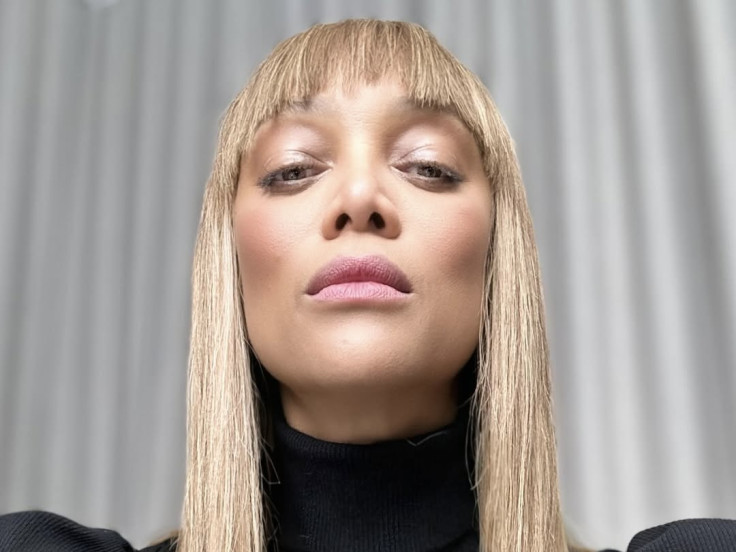
Tyra Banks has launched a defamation lawsuit in California against Netflix, accusing the streamer of recutting her interview in its Reality Check docuseries to falsely portray her as indifferent to a contestant's sexual assault allegation and uncaring toward a former colleague after his stroke.
For context, Reality Check, which premiered on Netflix in February, revisits the legacy of America's Next Top Model through a three-part series. Banks, who created and hosted the long‑running reality show, has faced years of online scrutiny over controversial moments and perceived cruelty towards contestants.
The docuseries set out to interrogate that history. Banks agreed to sit down for what she believed would be a candid, reflective interview about the programme's impact and her own missteps. What she says she watched on screen instead was a carefully cut version of herself that, in her words via her lawyers, bore little resemblance to the full conversation she gave.
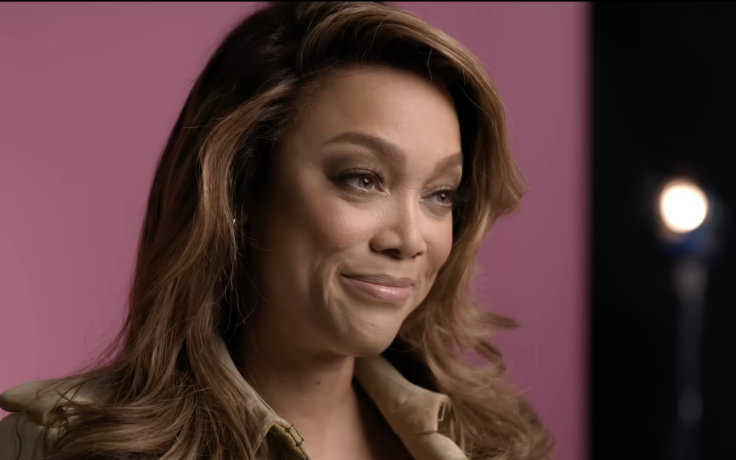
Tyra Banks Lawsuit Takes Aim At Netflix Edit
The Tyra Banks lawsuit centres on a three‑and‑a‑half‑hour interview she recorded for Reality Check. According to the court filing, only around 16 minutes of that footage made it into the final series. That is not unusual in documentary television. What Banks is objecting to is how those 16 minutes were assembled.
Her legal team alleges that Netflix and the programme-makers 'stripped [her] comments of context and reassembled [them] to support a false and defamatory narrative' about her conduct on America's Next Top Model. That narrative, they argue, is sharpened around one storyline in particular.
The lawsuit focuses on cycle two contestant Shandi Sullivan, who in the docuseries describes being blacked out during an encounter with a male model and says she considered what happened to be sexual assault.
In Reality Check, Banks is shown being asked whether she remembers Sullivan's account. The way the sequence is edited, the suit claims, makes it appear that Banks cannot recall the incident.
Banks' attorneys insist that is not what actually happened in the room. They say the 'full footage' shows Banks 'immediately' responding that she did remember Sullivan's story, before expanding on it. On their version, the decision to cut that response down tilts the viewer's understanding of her attitude towards one of the most serious allegations in the show's history.
Netflix has not, in the material provided, offered a public response to the specific claims in the Tyra Banks lawsuit. Nothing in the court filing has been tested at trial, and no findings have been made, so all of the allegations should be treated with caution until the case progresses.
Editing, Consent And 'Context Collapse' In The Tyra Banks Lawsuit
Away from the personalities involved, the dispute exposes a familiar but rarely litigated problem in documentary and reality storytelling. Once a subject signs an interview release and sits under the lights, they essentially hand over control of their image to editors they do not supervise.
Danny Karon, a lawyer and law professor who is not involved in the Tyra Banks lawsuit, underlined that point in comments cited in the filing. 'An interview release only provides so much protection,' he said. Public figures can negotiate topics and filming conditions. What they generally cannot do is dictate how their words are used in the edit.
Karon suggested many celebrities fundamentally misread what a release protects. 'A big misconception is that a release ensures fairness, but it doesn't,' he explained. A standard release, he said, tends to grant producers and streamers broad discretion.
A quote can be accurate in isolation yet still carry a very different meaning depending on the footage, commentary or music it is cut alongside.
He described this phenomenon as 'context collapse' and called it a 'reputational trap' for interviewees. In that framing, celebrities provide raw material in the form of answers; filmmakers build stories out of those fragments. Problems arise when the story being constructed diverges, sharply, from what the interviewee thought they had signed up to discuss.
The Tyra Banks lawsuit is, at heart, an argument that Reality Check crossed that line. If a court agrees that viewers were led to believe Banks had no memory of Sullivan's allegation when she says she clearly remembered it, the case will become a test of how far reputational harm from editing choices can be stretched into defamation under US law.
Reputation, Relationships And Business Fallout
Banks' legal complaint does not stop with the Sullivan storyline. It also challenges how Reality Check handled a deeply personal claim from Miss J Alexander, the catwalk coach and long‑time judge on America's Next Top Model.
In the series, Alexander says Banks did not visit him after he suffered a stroke. The implication is of distance, perhaps neglect, between two people who once worked closely together. Banks' team contests that portrait.
The lawsuit states that, had she been asked, Banks could have provided messages showing she had tried to reach Alexander and had been in touch with him and his family.
Again, the dispute is not only about facts, but about frames. A single line delivered to camera, left unchallenged, can subtly recast a long relationship in the viewer's mind. Banks argues that set beside other criticisms in Reality Check, that allegation builds up a composite image of her as uncaring and self‑absorbed.

Her lawyers say that image is already taking a toll. According to the filing, the docuseries has damaged Banks' personal brand and bled into her business interests, including online ratings for her SMIZE & DREAM ice cream venture. She is seeking damages, with the amount to be determined by a jury if the case reaches that stage.
No court date is mentioned in the available material, and Netflix's formal legal response is not included. Until those documents appear, many of the sharpest claims in the Tyra Banks lawsuit remain exactly that, claims, and should be treated accordingly.
If the case proceeds, it will not just revisit the messy legacy of America's Next Top Model. It will also force a closer look at who controls the story when streaming platforms mine old franchises for fresh content, and what recourse, if any, the people on screen really have when they feel that story has been cut against them.
© Copyright IBTimes 2026. All rights reserved.
- Recommended For You