How Did Elon Musk Get $132B Pay Package? Inside The Record-Breaking Executive Deal
Elon Musk's $132 billion pay package highlights a year in which CEO rewards surged again while ordinary workers grappled with the lingering costs of past inflation.
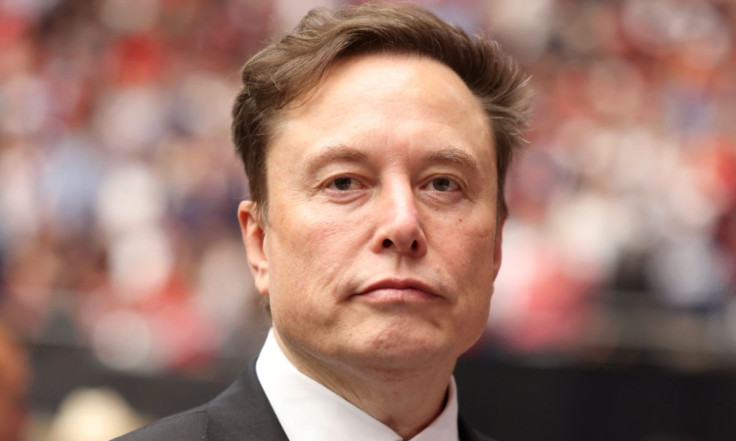
Elon Musk's $132 billion pay package, awarded in 2025 by Tesla's board in the United States, has crystallised a wider trend in executive compensation just as typical CEO pay climbed to $17.7 million and ordinary workers' wages lagged far behind.
At the same time, new data on S&P 500 companies show the median employee earned $89,744 in 2025, with critics arguing the gap between boardroom rewards and shop-floor realities is stretching into something harder to justify.
US chief executive pay has been climbing for years, but 2025 marked another step up. The latest figures show CEO compensation rising nearly 6 per cent in a single year, driven largely by boards linking rewards to higher profits, buoyant share prices and long-term incentive schemes designed to keep top bosses in post.
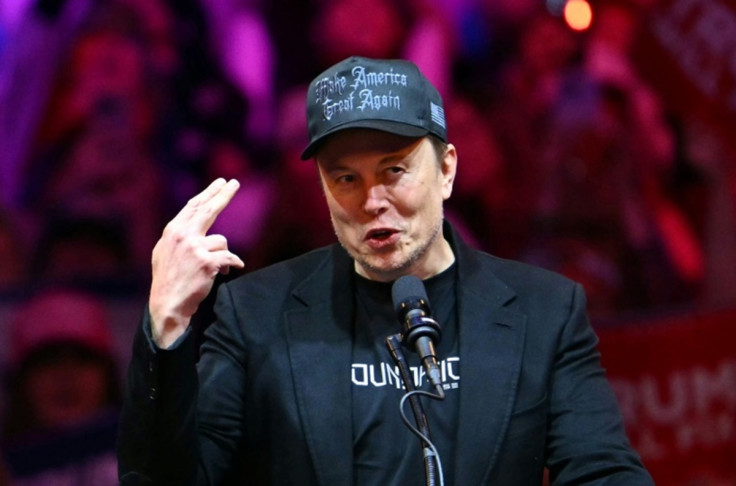
By contrast, that median employee pay of $89,744 rose 4.7 per cent, faster than inflation in 2025 but still lagging behind the cumulative hit from several years of elevated prices.
Many workers, as labour economists have repeatedly observed, are not feeling better off. Even with the 4.7 per cent gain, households have been juggling rent, food and transport costs that climbed far more sharply earlier in the decade.
The article's underlying data suggest employees are cutting corners, dipping into savings and leaning on credit cards simply to pay for everyday necessities.
How Elon Musk's Pay Package Fits Into A New Era Of Executive Rewards
Musk's $132 billion package sits at the far outer edge of this landscape. Unlike the $17.7 million 'typical' chief executive pay, his deal is not a conventional salary-and-bonus bundle but a towering equity-based arrangement anchored in Tesla's market value and performance targets.
Boards defend such structures on the grounds that they align executives' interests with those of investors. If the share price rises, everyone is supposed to win.
Supporters of the Musk model say this is exactly what has happened. Tesla's market capitalisation surged in the years leading up to the award, and the company's story, electric vehicles, batteries, and software, remains at the centre of global conversations about climate technology and transport.
They argue that without outsize incentives, the most ambitious executives might simply walk away, or split their focus across multiple ventures, to the detriment of shareholders.
There is a certain internal logic to this. Boards, looking at the numbers, see that top executives have delivered years of profit growth and market expansion. To keep them from being poached or distracted, they approve richer targets and stock grants, which then show up as enormous pay packages in filings.
Elon Musk Deal Highlights Growing Gap With Ordinary Workers
Yet the broader backdrop in 2025 is not nearly as glossy. While CEO pay rose nearly 6 per cent, the official figures indicate rank-and-file employees absorbed the compounding effect of previous inflation spikes.
Everyday costs did not reset downward when price rises slowed. They simply stayed high. As a result, many workers were left trimming family budgets, skipping discretionary purchases and rolling over more credit card debt each month.
This divergence feeds a familiar but still raw debate over fairness. When the 'median worker' making $89,744 is leaning on high-interest credit to fill the gap between wages and costs, the spectacle of a $132 billion pay package can feel, at best, detached from lived reality. At worst, it looks like a system that massively amplifies gains at the very top precisely when households lower down are being squeezed.
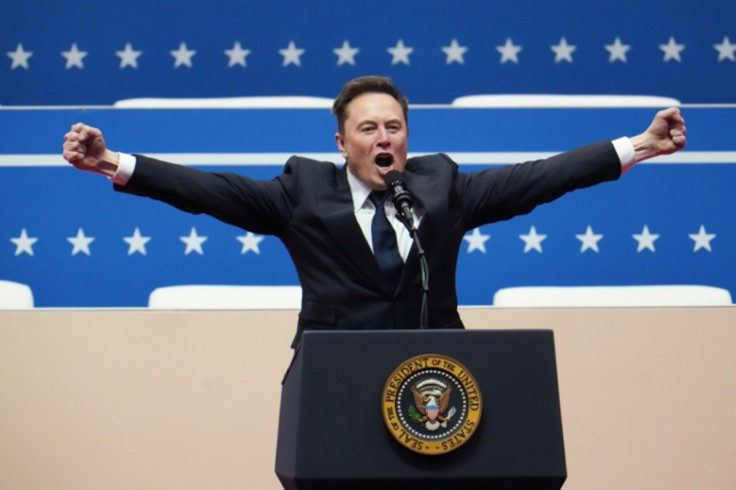
Defenders of current pay structures often counter that the headline figures are misleading. Much of Musk's package, and indeed much of the typical CEO's $17.7 million, comes in stock awards that vest over time and may never be fully realised if performance falters. They see these awards less as instant windfalls and more as high-risk bets on future value.
Critics are not entirely persuaded. They note that even when share prices stumble, executives tend to retain substantial wealth accumulated through earlier grants, while ordinary workers rarely have the financial cushion to absorb such shocks.
For them, the 4.7 per cent pay rise in 2025 is cold comfort when set against rent that rose by double digits in recent years and grocery bills that never came back down.
What the numbers make undeniable is the direction of travel. Corporate America's top tier is still seeing pay rise, even as many of the people whose labour underpins those profits adjust to a more precarious cost-of-living reality.
The tension between those two trajectories is no longer theoretical. It shows up every time a proxy statement lists an eye-watering CEO figure next to the line for 'median employee.'
Boards insist they are simply competing in a global market for executive talent, and they have the spreadsheets to prove it. Workers, staring at their credit card balances after a supermarket run, are living in a different kind of market altogether.
© Copyright IBTimes 2026. All rights reserved.
- Recommended For You