

How Did Joe Murphy Die? Real Cause of Death and the Tragic Final Days of the British Rock Legend
A noughties bassist who bent the chart rules, and a local hero whose songs outlived the spotlight.

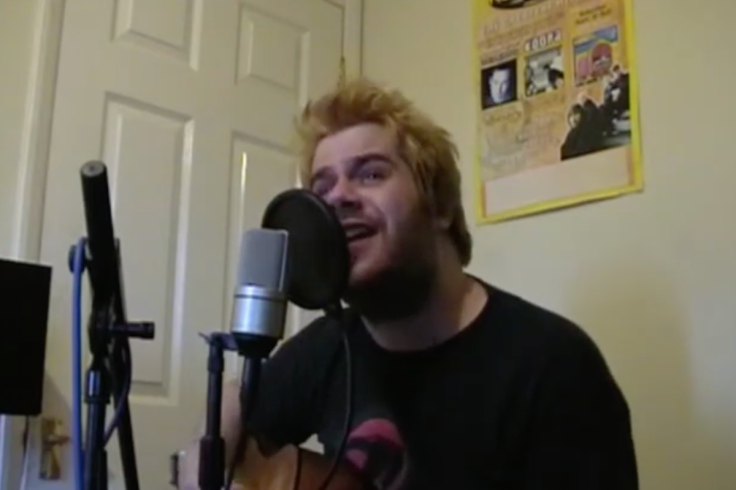
Joe Murphy, the British bassist who helped noughties rock band Koopa crash the UK Top 40 purely on digital sales, has died aged 46, his family confirmed this week in Essex. The cause of death has not been publicly disclosed, although the Blag, Steal & Borrow musician had survived a near-fatal cardiac arrest and car crash in June 2021 that left him in intensive care for weeks.
Murphy first became a cult name in the mid‑2000s when Koopa, an unsigned three‑piece from Essex, quietly rewrote UK chart rules. Alongside bandmates and brothers Stuart and Ollie Cooper, the bassist helped push Blag, Steal & Borrow into the Top 40 in 2007, at a time when digital downloads were only just starting to shake up the music industry. Their success, achieved without a label behind them, was treated as a watershed moment for DIY rock bands trying to break through on their own terms.
Murphy's sister announced his death in a short but raw message on social media, addressing friends and fans who had followed his long recovery from the 2021 crash. 'For those who knew him, it breaks my heart to say that my big brother, Joe Murphy has passed away. Love you big bro,' she wrote.
No further details about when or how the bassist died have been released by the family. There has been no formal statement from Koopa or from medical authorities, and no inquest findings have been made public. IBTimes UK cannot independently verify any speculation about Joe Murphy's cause of death, so everything should be taken with a grain of salt.
Joe Murphy's Cause Of Death And The 2021 Crash
The renewed focus on Joe Murphy's cause of death comes against the backdrop of his serious health scare three years earlier. In June 2021, Murphy suffered a cardiac arrest while driving, lost control of his car and crashed. He was rushed to hospital and placed in intensive care, fighting for his life as friends and former collaborators rallied around the family online.
At the time, his sister Hollie publicly thanked supporters for the wave of messages that followed. 'The whole family have been so touched by the love and messages since Joe has been in hospital,' she said, adding that they were 'truly touched and moved by the support he has received.'
There has been no official confirmation that the heart episode in 2021 and his death now are medically linked, and no hospital or police records have been released to clarify that connection. Right now, all that is firmly on the record is that a man who had already come back from the brink in his forties has died far younger than anyone who knew him expected.
How Koopa And Joe Murphy Rewrote The Rulebook
To recall, Koopa's story was very nearly the perfect noughties music fairytale. Formed in Colchester, the band grafted their way through the UK's small venues between 2004 and 2007, part of a crowded pop‑punk scene of sticky floors, cheap tickets and big hooks. What set them apart was not just the songs, but the way they reached their audience.
In 2007, their single Blag, Steal & Borrow climbed to number 31 in the UK singles chart purely on the strength of digital downloads. According to chart records at the time, Koopa were the first unsigned band ever to break into the UK Top 40 that way, something industry insiders saw as a hint of where the business was headed.
That success brought them two honours at the Glasswerk New Music Awards that same year and helped them secure higher‑profile slots, including an opening appearance at the Isle of Wight Festival. For a band on Mad Cow Records, a small independent operation that also released their singles No Trend and football song Stand Up 4 England, it was mad, improbable stuff.
Murphy's bass lines and stage presence were part of that package. While the Coopers handled vocals and guitar, he anchored a live sound that fans still describe, years later, as 'massive' for a three‑piece. Koopa never fully crossed over to mainstream superstardom, but within the British alternative circuit they were proof that a handful of determined musicians and a laptop could break into a chart still largely controlled by major labels.
Local Legend, Lasting Impact
In case you missed how deep those roots ran, the tributes flooding out of Essex in recent days say more than any chart stat.
Local band The Broken Johnny's called Murphy a 'local legend,' posting: 'Absolutely gutted to hear of the passing of local legend Joe Murphy from the band Koopa. Grew up with these guys and saw them supporting Special Duties at Colchester Arts Centre before they went off to America. May Joe Rest In Peace now.'
That reference to Colchester Arts Centre will ring bells for anyone who spent the mid‑2000s haunting provincial venues. Koopa were one of those bands people name‑drop as part of their youth, often with a half‑embarrassed smile, because those nights out ended up shaping whole friendship groups.
Essex Rocks Creative CIC, which promotes gigs and supports local musicians, described knowing and working with Murphy as 'a privilege.' In a statement shared on social media, the group said: 'We've left it for a few days so everyone can digest the sad information that our friend Joe Murphy has passed on. Joe and his band Koopa were a massive part of our formative years as promoters in the mid 2000s. We feel privileged to have known him on a personal level and worked with him as a musician. Keep playing those riffs Joe. We love you.'
None of these tributes answer the blunt question in so many fans' minds, namely how exactly Joe Murphy died. But they do sketch a life lived loudly in rehearsal rooms, vans and festival fields, and a man who, for a few intense years, surfed a wave of change in how British music worked.
For a musician whose biggest single literally told people to 'blag, steal and borrow,' Murphy's legacy rests on something far simpler, and harder to fake: being the person local bands still talk about long after the charts have moved on.
© Copyright IBTimes 2026. All rights reserved.