How Did John B. Williams Die? Real Cause of Death Revealed as Jazz World Shattered by His Tragic Passing
Celebrating the life and career of John B. Williams, a jazz bassist who left a lasting impact on television and music.
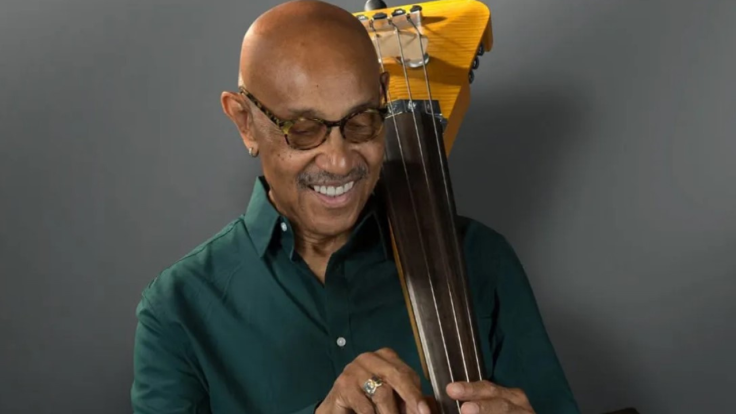
John B. Williams, the bassist best known for his long run on The Tonight Show Starring Johnny Carson, has died at 85 after a recent health emergency that followed a fall, brain surgery and a rapid decline, his wife Jessica said. Williams died on 4 June after being placed in hospice care, according to the account she gave TMZ.
Williams had spent decades moving between the studio, the stage and the bandstand, building a reputation that stretched well beyond television. He was born on 27 February 1941 and began as a percussion student before switching to bass during his service in the United States Marine Corps.
That turn in his life set the course for a career that took him alongside a string of major jazz names, including Zoot Sims, Clark Terry, Leon Thomas and Kenny Burrell.
John B. Williams And The Health Crisis That Followed
Jessica Williams said her husband had recently suffered a fall, after which he underwent brain surgery. She also said he had been living with dementia before the fall, a detail that gives the final chapter of his life a sobering weight.
Following the operation, his condition worsened sharply. He was no longer able to walk or talk, and his care was moved to hospice before he died.
Music Legend John B. Williams Has Died, According to Collaborator: https://t.co/SnHhWVG5g3
— PopCulture.com (@PopCulture) June 14, 2026
There has not been a fuller public medical statement setting out a single formal cause of death, so the clearest version of events remains the one described by his wife. What is known is plain enough.
Williams was already fragile, the injuries were serious, and the decline was swift. In an industry that often remembers its stars in neat, flattering snapshots, that is a far less polished ending than many fans might have expected, but it is the one his family has described.
John B. Williams And The Career That Made Him A Fixture
Williams joined The Tonight Show in 1972, giving him one of the most visible jobs a jazz bassist could hold in American television. It was the sort of role that demanded not just technical skill but steadiness, timing and a feel for the room. By 1989, he had moved on to The Arsenio Show, extending a career that had already made him a familiar figure to viewers as well as musicians.
His name is remembered warmly by fans who followed his collaborations, especially his work with Nancy Wilson. A tribute posted on the Legendary Song Stylist Nancy Wilson Facebook page described him as 'one of her trusted musical anchors.'
The message said Wilson relied on his bass to find what she called 'her spot,' a phrase that captures something of the practical intimacy of live performance. A good bassist does not merely keep time. He gives the singer somewhere to land.
That tribute also framed Williams as more than a sideman, calling him a guide and a foundation over more than 25 years. It is a fitting way to think about his place in the music. Some players demand attention at every turn. Others make everyone else sound better, and do it so quietly that the room only realises what they had once they are gone. Williams appears to have belonged to that second, rarer class.
His death has been met with grief across the jazz world, not only because he was associated with television history but because he represented a generation of working musicians who could move comfortably between broadcast studios, club dates and concert halls without losing their edge. Those musicians rarely become household names. They do, however, become indispensable.
Williams' life began with percussion, changed through military service and then settled into the deep, unshowy discipline of bass playing. That path took him from Zoot Sims to Kenny Burrell, from the warmth of jazz sets to the pressure of network television, and finally into the memory of fans who knew exactly how much depended on the man standing a little further back from the spotlight.
© Copyright IBTimes 2026. All rights reserved.
- Recommended For You