Children's Book Author Kouri Richins Convicted in Husband's Murder — What the Jury Heard
Prosecution affirmed that Richins who was deep in debt believed that her husband's death would grant her access to $4 million in estate assets and life insurance.

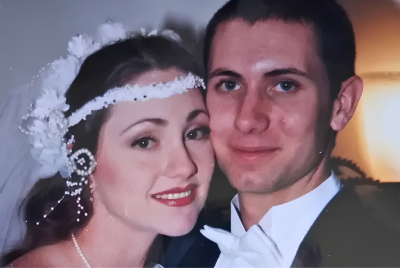
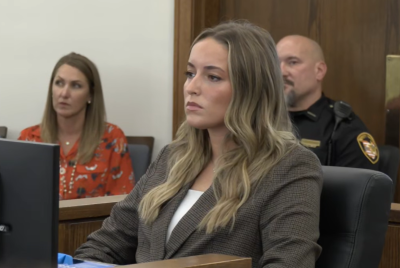
In a dramatic conclusion to one of Utah's most closely watched criminal trials, children's book author Kouri Richins has been found guilty of aggravated murder in the poisoning death of her husband, Eric Richins, in March 2022.
The verdict, handed down on 16 March 2026, also includes convictions for attempted aggravated murder, forgery, and falsifying insurance claims, which prosecutors say were part of a calculated plot to kill her spouse and benefit financially.
The case captivated national attention due not only to the grim facts but also to the contrast between Richins' public persona, including as a children's author who wrote a grief book after her husband's death, and the sinister motive presented at trial.
A Stunning Verdict After Brief Deliberation
The jury returned a unanimous guilty verdict after deliberating for only about three hours, a pace that underscored how strongly the evidence resonated with the panel.
Prosecutors portrayed the 35‑year‑old Utah mother of three as someone who poisoned her husband's drink with a lethal dose of fentanyl, far exceeding what would be needed to be fatal, with premeditation and financial motive, particularly Richins' mounting personal debt and potential gain from insurance and estate proceeds.
Richins also faced charges for an earlier attempt to kill her husband, when prosecutors alleged she tried to poison him with a fentanyl‑laced sandwich on Valentine's Day before the successful poisoning weeks later.
Prosecutors Outline Financial Motive
One of the central arguments presented by the prosecution was that Richins was deep in debt, with her home‑flipping business failing, and believed that her husband's death would grant her access to approximately $4 million in estate assets and life insurance.
During the trial, prosecutors also introduced digital evidence and text messages that they argued showed Richins' dissatisfaction with her marriage and desire for her husband to 'just go away,' including communications with a romantic partner outside the marriage.
These combined elements, including financial strain, personal relationships, and digital trail, formed a narrative that jurors found persuasive in establishing both opportunity and motive.
Self‑Published Book Adds Ironic Twist
What made the case particularly striking was Richins' self‑published children's book, Are You With Me?, which was released after her husband's death and focused on helping children cope with grief. Prosecutors used the book and its promotion as part of their portrayal of Richins' carefully crafted public image, which was only a façade, they argued, to mask her alleged criminal intent.
The book's existence and the timing of its publication became a poignant symbol in media and court coverage, drawing intense public interest because of the contrast between its subject matter and the charges against Richins.
Defence's Position and Jury Decision
Richins' defence consistently maintained that her husband's death was the result of an accidental overdose and not a deliberate act, and argued jurors should not rush to judgment without considering the totality of the evidence.
However, the jury rejected the defence, convicting her on all five charges, including aggravated murder, attempted aggravated murder, forgery, and two counts of falsifying insurance claims.
Sentencing and What Lies Ahead
Richins now faces sentencing scheduled for 13 May 2026, a date that would have been her late husband's 44th birthday.
The aggravated murder charge alone carries a potential 25 years to life in prison, meaning Richins could spend the rest of her life behind bars if the court imposes the maximum sentence.
Legal experts say sentencing will likely consider the premeditation shown by the prosecution's evidence, including the alleged earlier poisoning attempt and steps Richins took before and after Eric's death to conceal her actions.
Impact on the Family and Community
The verdict undoubtedly marks a dramatic moment for both the Richins family and the broader community. Friends and relatives on both sides attended the trial, some displaying emotional reactions as the verdict was read.
While many questions linger, including the psychological and relational dynamics behind the crime, the jury's decision now shifts the focus to the sentencing phase, where emotional impact, personal history, and public safety concerns will all factor into the ultimate punishment.
© Copyright IBTimes 2026. All rights reserved.
- MOST POPULAR IN Crime