Lionel Messi Terror Plot: Police Dossier Reveals Chilling World Cup Centre Suicide Bomb Threats
Leaked security records reveal the hidden protective operations and specific threat alerts surrounding Argentina's captain during the global tournament
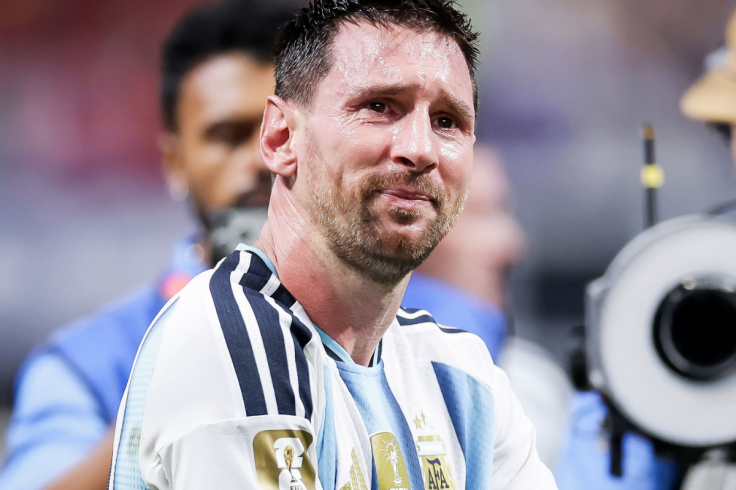
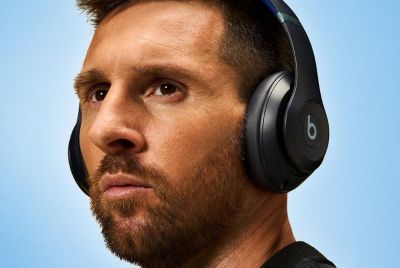
Lionel Messi was the focus of a chilling terror plot at the recent World Cup in the United States, Mexico and Canada.
This was revealed in a police dossier that details suicide bomb threats, bomb scares, and violent harassment levelled at some of football's biggest names throughout the tournament.
The existence of the dossier came to light after Spanish outlet informacion.es obtained daily security reports compiled during the month-long competition.
These papers, based on work by a joint security network led by the FBI and the Centre for International Police Cooperation (IPCC), set out how authorities scrambled to assess and neutralise a stream of threats directed at Messi, Cristiano Ronaldo and a string of other players, referees and officials.
Nothing in the report has been independently verified beyond the newspaper's account.
Lionel Messi Named Prime Target in Terror Threats
Messi, now 39, as the single most targeted player at the World Cup, with extremists and would‑be attackers allegedly singling him out repeatedly.
In the starkest case, a caller to Dallas airport reportedly claimed he and two others were on their way to the city's stadium with 'homemade bombs and an AR‑15' rifle, and that they planned to attack 'police officers and players from both teams', making what investigators called 'special mention of Lionel Messi.'
Another threat came ahead of Argentina's 7 July match against Egypt in Atlanta, where an X user posted that he was 'about to enter the Atlanta stadium and blow up Messi with four bombs stuck in my body.' That phrasing appears to echo what the dossier says was a separate vow by a fanatic to walk into the same venue wearing a bomb vest.
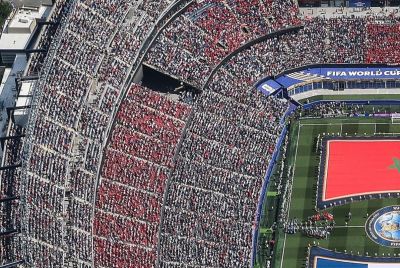
Armed police, explosives specialists and dog units were then dispatched to Atlanta's stadium after a different caller phoned during a game to say he had left 'three bombs' hidden in rubbish bins. The search did not uncover explosives, and no arrests linked to an actual bomb plot around Messi have been reported in the material cited so far.
What is clear from the dossier, though, is that security services were on constant alert around the Argentina captain and his team.
The tone of the reports is methodical rather than sensational, but it is hard to miss the implication that, behind the spectacle on the pitch, police were treating Messi as a high‑value target for extremists.
Ronaldo, Mbappé and Others Swept Up in Messi‑Era Threat Climate
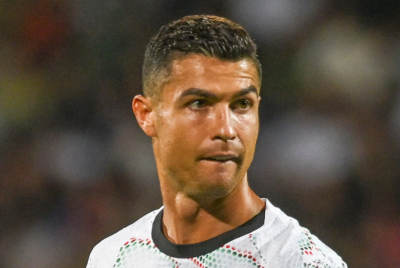
Messi was not the only high‑profile figure swept into this climate of menace. Ronaldo, according to the same police papers, endured what officers described as the most persistent harassment of any player.
On 14 June, a FIFA staff member flagged a 'suspicious man' asking for details of Ronaldo's accommodation. Houston police arrested a suspect two days later at the hotel where Portugal's squad was staying.
Another individual was detained in Toronto after allegedly trying to get into a lift with Ronaldo, insisting he only wanted a selfie. Further incidents were recorded in Miami, where a man tried to reach the forward, and during Portugal's match against Croatia, when a pitch invader in a Ronaldo shirt ran onto the field.
French referee François Letexier appears in the dossier as well, swamped with more than 6,000 WhatsApp threats, according to the Spanish report.
The vast majority seem to have been digital intimidation rather than actionable plots, but they underlined how volatile the atmosphere around the tournament had become.
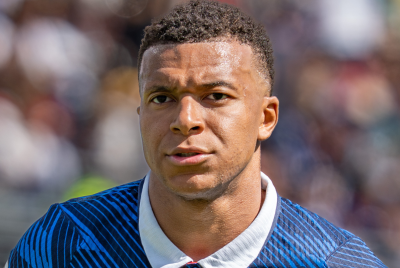
Kylian Mbappé, now at Real Madrid, was drawn into the maelstrom after a bad‑tempered game against Paraguay.
Police records say tensions flared when he refused to shake a defender's hand. What might once have been written off as routine gamesmanship then spiralled online, with officers logging what they termed 'xenophobic' abuse. In Paraguay, a senator publicly engaged with the criticism on X, and a doll bearing Mbappé's likeness was reportedly burned and the footage broadcast on social networks on 5 and 6 July.
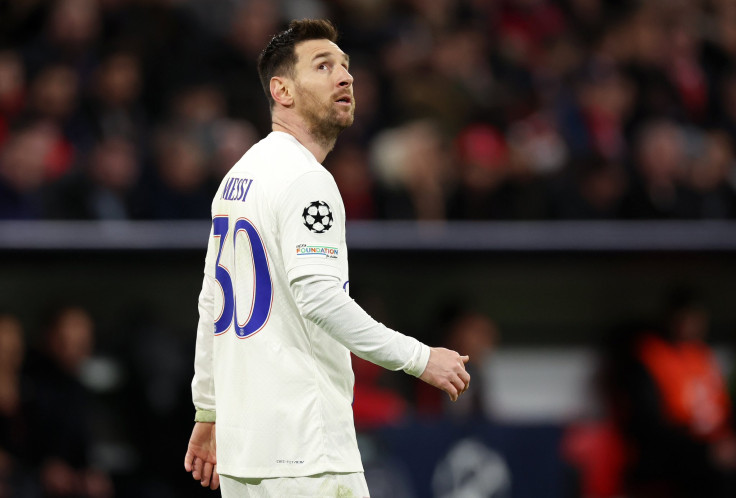
The dossier also tracks threats aimed at players blamed for mistakes. Norwegian striker Alexander Sørloth, who plays for Atlético de Madrid, and his wife were targeted after he missed a major chance, with police classifying that episode as one of the most serious.
Colombian player Jaminton Campaz was threatened following a penalty miss and, according to the reports, was unable to fly home with his team after the World Cup because of lingering security concerns.
French defender Lucas Digne is listed among those who received threats, though the dossier extracts published so far offer fewer details. South Korea's coach Hong Myung‑bo and his entire squad were taken under heavy escort to the airport after their first‑round exit, following death threats against the national team. Police wrote that they had to be 'escorted by a large police device' for their own safety.
None of the security services involved has yet released its own public account of these events, and there is no official breakdown of how many of the threats were hoaxes, unstable ranting or something more concrete. Until that happens, the picture remains based on one newspaper's reading of internal reports.
The impression that emerges, though, is of a World Cup where Messi and his peers played under the shadow of a steady drip of danger, even if most fans never noticed a thing.
© Copyright IBTimes 2026. All rights reserved.
- Recommended For You