

Are Aliens Real? NASA Chief Confirms Secret Photos of Unexplained Objects
NASA Administrator Jared Isaacman discusses unresolved UFO imagery and the ongoing search for extraterrestrial life.
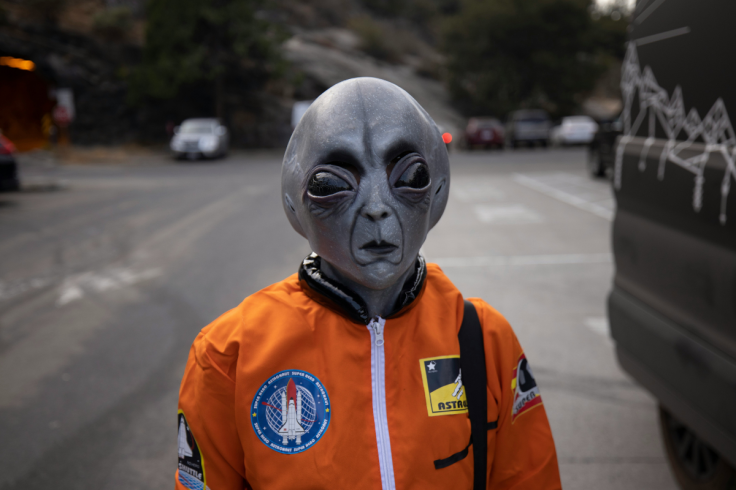
NASA chief Jared Isaacman has said the US space agency holds images of objects it cannot explain, but he stopped short of calling them proof of alien life when he spoke on the Jack Gordon Podcast on 30 June 2026.
The NASA Administrator said the footage and stills remain unresolved for scientists, making the headline question, 'Are aliens real?', a little less melodramatic and a lot more awkwardly open than some would like.
Isaacman's remarks landed amid a broader push in Washington for greater transparency on Unidentified Anomalous Phenomena, or UAP, with federal agencies releasing more material for public scrutiny and researchers pressing for better data.
The news came after years of official caution around UFO claims, and after NASA itself has repeatedly said that unexplained sightings are not the same thing as evidence of extraterrestrial visitors.
NASA's Unexplained Images And The Alien Question
Isaacman's key line was blunt enough. 'We have captured imagery, and this is what President Trump is very forward-leaning about, that based on the data that we have within that imagery, we don't know what it is,' he said on the podcast, according to reporting on the interview.
That is not the same as saying the objects are alien. It is a statement of uncertainty, which is a far more boring answer than some corners of the internet might prefer, but also a more honest one.
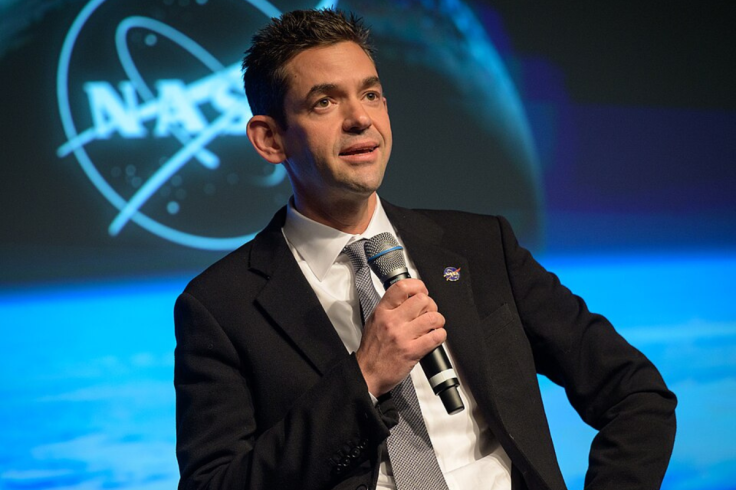
He added that he thinks there is 'a very real possibility' humanity will eventually conclude life exists elsewhere in the universe. That is still a long way from proof, of course, but the wording matters.
Isaacman was talking about possibility, not confirmation, and his comments landed squarely in that familiar gap between scientific curiosity and the kind of wild speculation that turns every blurry image into a supposed revelation.
Mars Samples And The Bigger Question
The more concrete part of Isaacman's comments involved Mars. He said NASA already has samples on the Red Planet and that if they are brought back to Earth, there is a 'very high probability' they could point to microbial life at some point.
That is a significant claim, but it is also carefully framed, because it depends entirely on return, testing and analysis, none of which is guaranteed to deliver the dramatic answer people imagine.
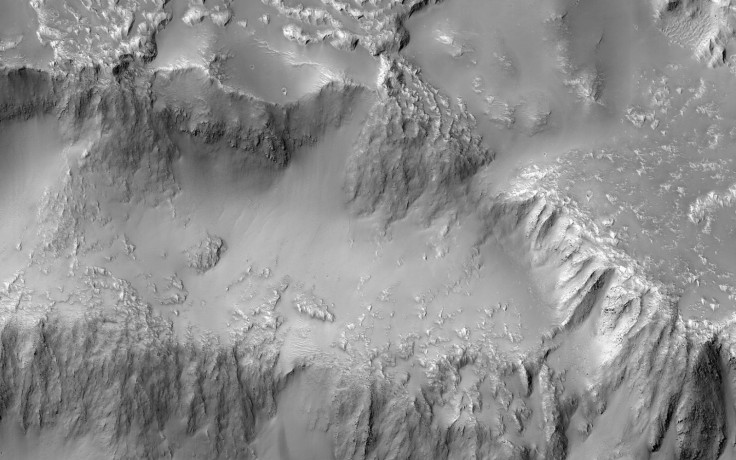
NASA has long treated Mars sample analysis as one of the best chances to determine whether the planet once hosted microscopic life, yet the return mission has faced delays and funding headaches.
This slower, messier reality sits in stark contrast to the breathless alien chatter that tends to follow any mention of unexplained images. Science does not move at the pace of a viral clip. Annoying, yes. Necessary, absolutely.
What He Ruled Out
Isaacman also rejected one of the most persistent UFO conspiracy theories. Asked whether the US government had recovered crashed alien spacecraft or extraterrestrial bodies, he said he had never seen evidence to support those claims.
NASA has previously said it does not have proof that UFOs are extraterrestrial in origin, and an independent 2023 review convened by the agency concluded that more data was needed before anyone could reach firmer conclusions.
In other words, there is still no smoking gun, no little green-man moment, no dramatic unveiling of something mad and undeniable.
Why Isaacman's Words Matter
Isaacman is not just some enthusiastic outsider riffing on space mysteries. He is a billionaire entrepreneur, a civilian astronaut and now NASA's administrator, which gives his comments a different weight altogether.
When he says NASA has images it cannot explain, he is not selling a theory. He is describing an evidentiary gap, and that gap is exactly where the debate over UAP keeps getting stuck.
He also tied the search for life beyond Earth to NASA's wider mission. 'I can't hate the subject,' he said. 'In fact, I'm incredibly fascinated by it because that is at the heart of what we're trying to do at NASA, answer the question, are we alone?'
He went further, arguing that humanity's future should not be confined to one planet, saying, 'I do not believe it is our destiny to remain on one planet.'
Not proof of aliens, not secret bodies in a vault, not some cinematic reveal. Just an agency chief saying NASA has images it cannot yet explain, while insisting the serious work still lies ahead, somewhere between Mars rocks, declassified files and the old question that refuses to go away.
© Copyright IBTimes 2026. All rights reserved.