Lost Everest Guide Survived Horror Six-Day Ordeal By Eating Chocolate, Chewing Ice
Dawa Sherpa's miraculous survival story in the Everest was made possible by consuming chocolate and ice after being stranded.
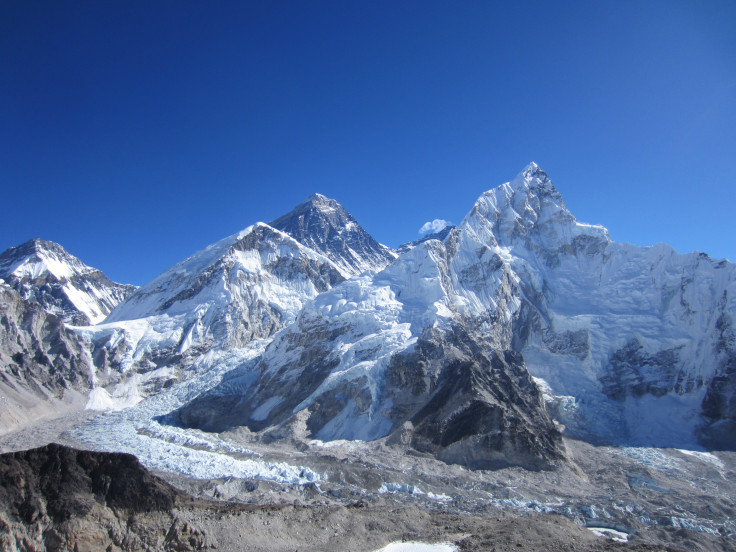
A Nepali climbing guide, Dawa Sherpa has shared how he survived a six-day ordeal on Mount Everest after being stranded high on the world's tallest peak, while battling extreme altitude, freezing temperatures, and exhaustion before eventually making his way back towards Base Camp in Nepal.
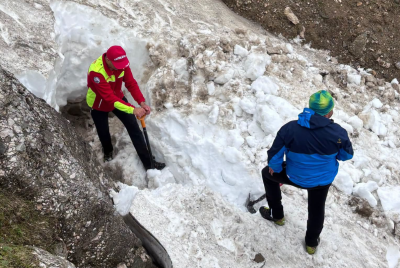
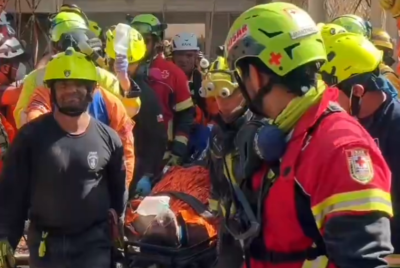
Sherpa, 57, was discovered alive by a clean-up team near the Khumbu Icefall, sliding down the mountain after being presumed dead. His family in Kathmandu had already begun the last rites when he was spotted and later airlifted to the hospital, where he is now being treated for dehydration, frostbite, and a fractured bone.
The Chocolate and Ice Diet That Saved Sherpa's Life
The Sherpa had been climbing in a busy Everest season that had already seen more than 1,000 summits and at least five deaths, according to figures cited in reports of this year's expeditions. He was last seen sitting above Camp 3 at around 7,500 metres, a point where oxygen levels are already dangerously thin even for experienced climbers.
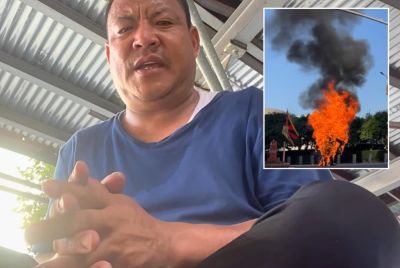
Speaking to BBC Nepali from the hospital in Kathmandu, Sherpa described how his situation deteriorated rapidly after his oxygen supply ran out. 'As the oxygen ran out, I couldn't walk,' he said. 'I didn't eat anything for the first two days. Then I began chewing ice. It hurt my teeth. I chewed the ice hard.'
He said he later found a few chocolates in his pocket, which became his only source of energy. Melted ice provided water, but even that came at a cost in the brutal cold. 'I didn't think I would be alive,' he said. 'I thought I would perish this way.'
The account adds a stark human detail to a mountain already associated with extreme risk. Sherpa, also known in climbing circles as Hillary Dawa Sherpa, insists he was not 'missing' in the conventional sense, but left behind when conditions worsened during descent.
Avalanche And Crevasse Left Sherpa Stranded
According to climber Chris Thrall, who last saw Sherpa alive during the descent, the guide had stopped to rest above Camp 3 as he had done on previous climbs. Thrall continued down with another climber in distress and later realised the Sherpa was no longer moving.
What happened next, Sherpa says, was a fight to survive in isolation.
After running out of oxygen and losing the ability to move normally, he believes he fell into a crevasse. For two and a half days, he was trapped there, unable to climb out.
Then came a moment of chance. An avalanche pushed snow into the crevasse, raising the level enough for him to stand and attempt escape. 'Stepping on the snow, I stood up and looked above... It felt I could get out from there,' he said.
He managed to free himself and later found ropes that helped him descend further. But the route was far from safe. Another avalanche threatened his progress as he continued down the mountain through the night.
By the time he reached lower ground, he was alone, exhausted, and barely conscious. He said he walked through the night until he finally saw people near Base Camp. 'Boys were going up to collect the waste. I met them. They carried me down.'
Family Ready to Face Loss Before Miracle Rescue
Back in Kathmandu, Sherpa's survival was already being described by expedition organisers as extraordinary. Pemba Sherpa of 8K Expeditions called it a 'true self-rescue,' adding that it was 'nothing short of a miracle' given the conditions.
His family had been preparing for the worst. His wife, Damu Sherpa, said they were told a rescue was impossible and had begun final rites. 'When I saw him for the first time, I was so surprised,' she said. 'I couldn't believe my eyes about how he returned safely.'
His daughter, Mhendo Lhamo Sherpa, said he was able to recognise her when she visited him in hospital. 'We are happy,' she said, though doctors say he remains in intensive care with improving but still serious dehydration.
Doctors at HAMS Hospital in Kathmandu say his condition is now stable, though recovery from frostbite and altitude-related injuries will take time.
Meanwhile, the climbing community is still processing how a guide with decades of experience ended up surviving what many on Everest would consider unsurvivable conditions.
© Copyright IBTimes 2025. All rights reserved.
- Recommended For You