Princess Diana's Private Letter to Terence Stamp Hints at Use of 'Prozac' During Mental Health Struggles
Auction of Princess Diana's letters offers a rare glimpse into her private reflections about her mental health.

A handwritten letter from Princess Diana to actor Terence Stamp has emerged as part of a forthcoming auction, offering a rare glimpse into her personal reflections during a period of emotional strain in the early 1990s.
The correspondence, dated October 1991, forms part of a collection of personal items belonging to Stamp that are being sold through Bonhams. The material includes letters, photographs, and memorabilia spanning their friendship, which developed through mutual social circles in London.
According to auction material and reporting on the archive, the letters are being presented as a candid exchange between two public figures who maintained a private, platonic friendship away from media attention.
Reference to Prozac and Personal Reflections
In the letter, Diana thanks Stamp for lunch and expresses appreciation for his understanding of her personal circumstances. She also makes a brief and light-hearted reference to the antidepressant Prozac, writing: 'Three cheers for Prozac, not the American variety I hasten to add.'
The references have been widely interpreted by commentators as reflecting a candid and informal communication style rather than a clinical disclosure, though they nonetheless provide insight into how she discussed mental health in private correspondence.
The letters do not provide medical details or diagnoses, but they indicate that Diana was comfortable referencing prescribed medication within trusted personal relationships.
Context of Mental Health Discussion in the Early 1990s
During the early 1990s, public discussion of antidepressants and mental health treatment remained significantly more limited than in later decades. Prozac, in particular, had only recently become widely known following its introduction in the late 1980s.
Mental health advocates have noted that stigma around depression and psychiatric medication was considerably stronger at the time, particularly among public figures. Against that backdrop, Diana's casual references in private correspondence are viewed by historians as notable, even if framed humorously.
The letters also sit within a broader pattern of Diana gradually becoming more open about emotional wellbeing in later interviews, particularly in relation to stress and personal pressures associated with public life.
Friendship With Terence Stamp
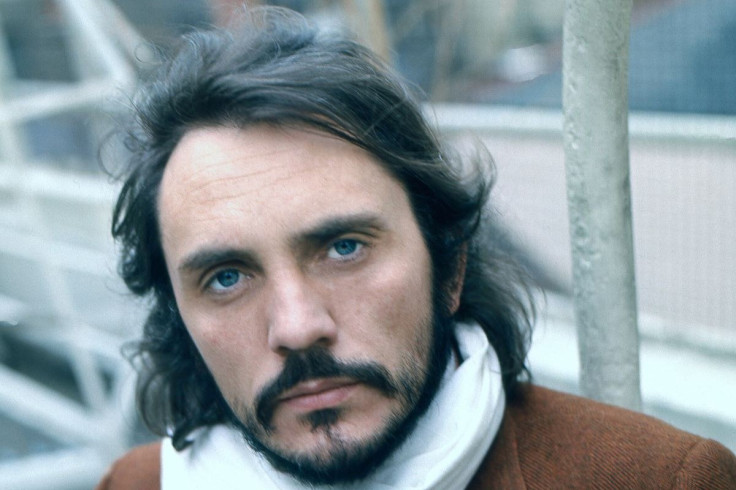
The archive suggests that Diana and Stamp shared a friendly correspondence during a period when she was navigating significant personal and marital difficulties.
According to auction listings and reporting on the collection, the letters include expressions of gratitude, humour, and reflections on personal conversations held during lunches.
Stamp, known for his roles in films including Superman II, reportedly preserved the correspondence as part of a wider personal archive that also includes scripts, photographs, and memorabilia from his career.
The auction material presents the letters as part of a broader historical record of cultural figures whose personal and professional lives often intersected within London's artistic circles in the late 20th century.
Auction Interest and Historical Significance
The letters are expected to attract significant interest from collectors, not only because of Diana's authorship but also due to their insight into informal, private exchanges rarely preserved in royal archives.
While the content is not formally political or institutional, historians often treat such correspondence as valuable primary material for understanding the social and emotional contexts of public figures.
The auction forms part of a wider trend in which private letters and personal effects of major cultural figures are increasingly studied as historical artefacts, offering detail that is often absent from official records.
A Personal Glimpse Into a Private Life
Taken together, the letters present a snapshot of Diana's private communication style: informal, humorous, and at times self-reflective.
Although brief, the references to Prozac and emotional wellbeing contribute to ongoing public interest in how she navigated mental health discussions within private relationships, particularly during a period when such topics were far less openly discussed.
The material now entering the auction market is likely to continue prompting discussion among historians, collectors and the public, not for its medical content, but for what it reveals about the tone and texture of private correspondence from one of the most scrutinised figures of the modern era.
© Copyright IBTimes 2026. All rights reserved.
- Recommended For You