US Burned Through Up to 80% of THAAD Missiles in Iran War: Now the Pentagon Is Spending $35B to Restock
Lockheed Martin secures a major contract to boost THAAD production amid missile shortages
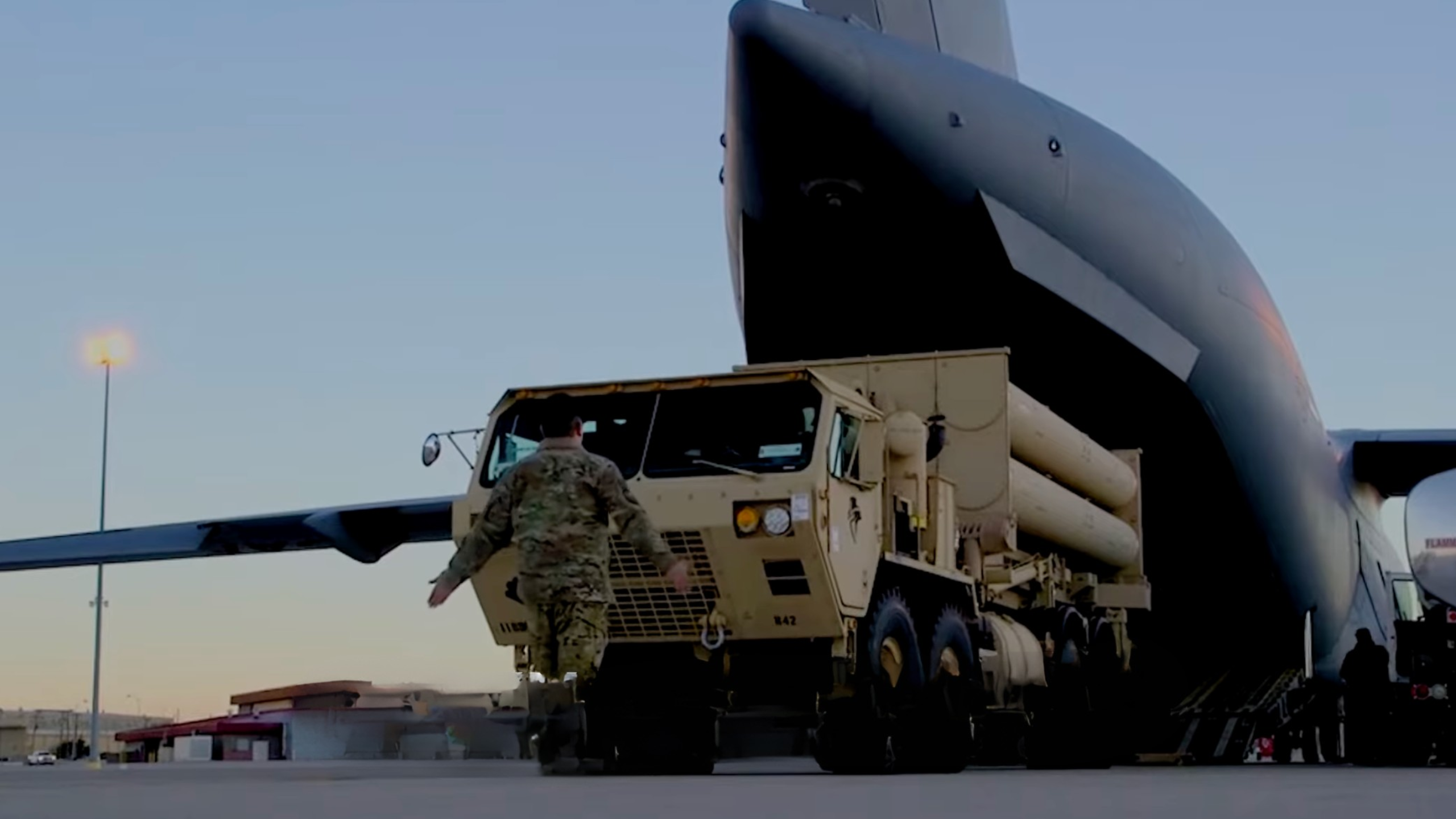
The United States may have used as much as 80 per cent of its THAAD missile interceptors while defending Israel from Iran this spring. Now the Pentagon is paying to rebuild the stockpile.
On Wednesday, 24 June, the Pentagon's Missile Defense Agency awarded Lockheed Martin a seven-year contract worth up to £26.3 billion ($35 billion) to quadruple production of Terminal High Altitude Area Defense (THAAD) interceptors, the system that knocks out ballistic missiles high above the battlefield. The award runs through June 2032, with £632 million ($842.9 million) obligated at signing.
The deal lifts THAAD output from 96 interceptors a year to 400. It was signed on the same day the White House asked Congress for £65.7 billion ($87.6 billion) in emergency war funding.
How the Iran War Drained America's THAAD Stockpile
The drawdown came during Operation Epic Fury, the US-led campaign against Iran that began on 28 February. An analysis by the Center for Strategic and International Studies estimated that American forces fired between 190 and 290 of their roughly 360 THAAD interceptors during the fighting. The upper end of that range is close to 80 per cent of the inventory.
The think tank singled out THAAD as the hardest hit of the major munitions it tracked. War Department assessments put the use at more than 200 interceptors, about half the stockpile, while the Payne Institute at the Colorado School of Mines counted roughly 198 fired in the first 16 days. At £11.6 million ($15.5 million) apiece, up from £7.1 million ($9.5 million) in 2021, 290 interceptors amount to roughly £3.4 billion ($4.5 billion) in spent munitions.
The bigger concern, the report's authors wrote, is what comes next. The shortfall in high-end munitions that existed before the war is 'now even more acute,' and rebuilding to levels adequate for a possible war with China would take additional time.
Inside Lockheed's $35 Billion Bet on Missile Defence
The contract executes a framework agreement Lockheed signed with the government in January, casting the award as a shift to multiyear procurement meant to strengthen the US defence industrial base. Chairman and chief executive Jim Taiclet tied the expansion to deterrence. 'Today's agreement to quadruple THAAD production means we will have more interceptors available than ever before to deter our adversaries,' he said.
Lockheed says it is investing more than £6.75 billion ($9 billion) through 2030 across more than 20 new or upgraded plants, including sites in Alabama and Arkansas. A separate notice, the same day, handed Raytheon £299 million ($398.7 million) for air-to-air missiles. Even at the faster pace, CSIS estimates it will take three or more years to return the THAAD inventory to its pre-war level.
For Lockheed, listed in New York as LMT, the contract locks in a multiyear order book that did not exist a year ago, even as defence contractors push back on White House pressure to curb share buybacks and dividends without Pentagon sign-off.
Why the $87.6 Billion War Bill Faces a Fight in Congress
On the same day as the Lockheed award, the White House asked Congress for £65.7 billion ($87.6 billion) in emergency funding, most of it for Operation Epic Fury and the arsenals it drained. Of that, £50.3 billion ($67.1 billion) is earmarked for the Pentagon, including £15.8 billion ($21 billion) for munitions and the industrial base that builds them.
A day earlier, the Senate had passed a resolution urging the president to wind down the war, and the funding request drew immediate opposition.
'President Trump is asking taxpayers to clean up his messes, to the tune of $87.6 billion,' said Senate Democratic leader Chuck Schumer. Senator Patty Murray, the senior Democrat on the appropriations committee, said she would 'not rubber-stamp tens of billions more for this disastrous war of choice.'
The White House pushed back, with spokeswoman Anna Kelly insisting the military 'has more than enough munitions, ammo, and stockpiles' for the president's goals. The THAAD contract is signed regardless of the outcome. The wider replenishment hinges on whether Congress releases the money.
© Copyright IBTimes 2026. All rights reserved.
- Recommended For You