

Queen Camilla's Reading Initiative Overshadowed by Backlash Over JK Rowling Photo
Royal Family's literacy campaign overshadowed by criticism of JK Rowling's views on transgender issues.
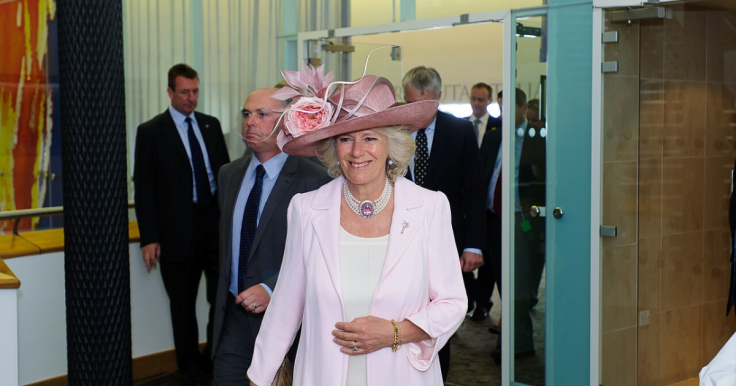
Queen Camilla's latest literacy campaign was meant to spotlight the importance of reading among children. Instead, it triggered backlash after the Royal Family shared a photo of the Queen with JK Rowling.
The Royal Family posted the image on social media to highlight a shared commitment to literacy and children's access to books. It quickly drew criticism from users who questioned why the palace chose to publicly highlight the meeting with Rowling. Some also noted the timing, during Pride Month, which intensified the reaction.
Why Queen Camilla's Meeting With JK Rowling Sparked Immediate Backlash
'With a shared passion for books and a deep commitment to children reading for pleasure, The Queen and author J.K. Rowling have met at the Palace of Holyroodhouse in Edinburgh,' the caption read. 'Her Majesty and Ms Rowling discussed the importance of ensuring that young people have access to books and the vital part reading plays in opening doors for future generations.'
The message framed the meeting as part of Camilla's long-running efforts to promote literacy. The Queen has made reading advocacy a central part of her public work, including through her book club and charitable initiatives focused on education.
But the post quickly became less about books and more about Rowling herself. Her repeated comments about sex and gender identity, which many LGBTQ+ advocates consider harmful to transgender people, have made her a polarising figure.
📕 With a shared passion for books and a deep commitment to children reading for pleasure, The Queen and author J.K. Rowling have met at the Palace of Holyroodhouse in Edinburgh.
— The Royal Family (@RoyalFamily) June 30, 2026
Her Majesty and Ms Rowling discussed the importance of ensuring that young people have access to… pic.twitter.com/Yx1Xy6olqC
Social Media Reaction Turns Focus Away From Reading Campaign
Many users criticised the palace for featuring Rowling, with some accusing the Royal Family of ignoring the controversy surrounding her public statements. Several also expressed disbelief that, out of the UK's many prominent authors, Rowling was selected for such a high-profile meeting.
'The Royal Family should not be posing for photographs with one of the worst trans-baiters in the world today and then posting them on the very platform where she promotes her hate,' one commented.
'There are SO many authors in the UK. Why would you select the one who wants to deny young people access to live-saving health care? Why would you select the one who has made it her life mission to erase a vulnerable minority from public existence?' another added.
Reactions online were divided, with some directing criticism at Camilla herself rather than solely at Rowling. Some users questioned whether the Queen was endorsing Rowling, whom some have labelled transphobic.
Oh dearie me. Inviting JK Rowling as a guest…..in Pride month!!!???? Really? Are you trying to alienate your self from
— Clare 💙 (@stone3Clare) June 30, 2026
the population? Esp the younger generation ?????
WHAT A DISGRACE INVITE A TRASPHOBE DURING PRIDE! SHAME ON YOU! 🏳️⚧️
— P B G T (@PPibi71) June 30, 2026
Disgraceful that you would associate with such a vile cruel woman. Not my queen 🫅
— Will ❤️🕺 (@mozzer39) June 30, 2026
Not all responses were negative, however. Supporters defended the meeting and praised both women's contributions to literacy and advocacy for women and children.
'Lovely photo. Two ladies who've done more than most to inspire a love of books,' one supporter wrote. Another added, 'Fantastic! @jk_rowling is such an inspirational advocate for women and children.'
Yes, JKR is a queen and an author. Well said.
— Marius Băncilă 🇷🇴🇪🇺 (@mariusbancila) June 30, 2026
Great to see - grownups in the room. No sniveling , self-centred, por-sodden narcissists. Just women who care about literacy in children. Suck it up!
— Nicola Carr (@HomeWithMrsHgth) June 30, 2026
Why JK Rowling's Views On Transgender Issues Remain Controversial
Rowling has been at the centre of controversy since 2020, when comments she made about sex and gender identity drew widespread criticism.
She has been labelled transphobic because of repeated statements arguing that biological sex should remain central in legal and social discussions involving women's rights, single-sex spaces, and safeguarding. LGBTQ+ groups and transgender advocates say her rhetoric contributes to stigma and exclusion.
‘People who menstruate.’ I’m sure there used to be a word for those people. Someone help me out. Wumben? Wimpund? Woomud?
— J.K. Rowling (@jk_rowling) June 6, 2020
Opinion: Creating a more equal post-COVID-19 world for people who menstruate https://t.co/cVpZxG7gaA
In essays and social media posts, Rowling has rejected the label of transphobic and said she supports transgender people while also defending what she describes as sex-based rights for women. She has argued that concerns about gender identity laws should not be dismissed as hatred.
The debate has extended well beyond politics and into the world of Harry Potter, where several stars from the blockbuster film franchise publicly distanced themselves from Rowling's comments.
Trans people are who they say they are and deserve to live their lives without being constantly questioned or told they aren’t who they say they are.
— Emma Watson (@EmmaWatson) June 10, 2020
Daniel Radcliffe said 'trans women are women' and expressed support for the trans community. Emma Watson also voiced similar support, writing that transgender people 'deserve to live their lives without being constantly questioned or told they aren't who they say they are.'
Not every actor has publicly condemned Rowling. Ralph Fiennes, who played Lord Voldemort in the Harry Potter movies, criticised the hostility directed at Rowling and said the abuse she receives is 'disgusting' and 'appalling.' Helena Bonham Carter said Rowling had been 'hounded' and defended the author, saying she was 'allowed her opinion.'
© Copyright IBTimes 2026. All rights reserved.