

Legally Dead and Cut Off: Social Security Mistakenly Disappeared 12,000 Living Americans — Then Fumbled the Fix
Inspector General's report highlights documentation failures and calls for stronger controls to prevent future errors.
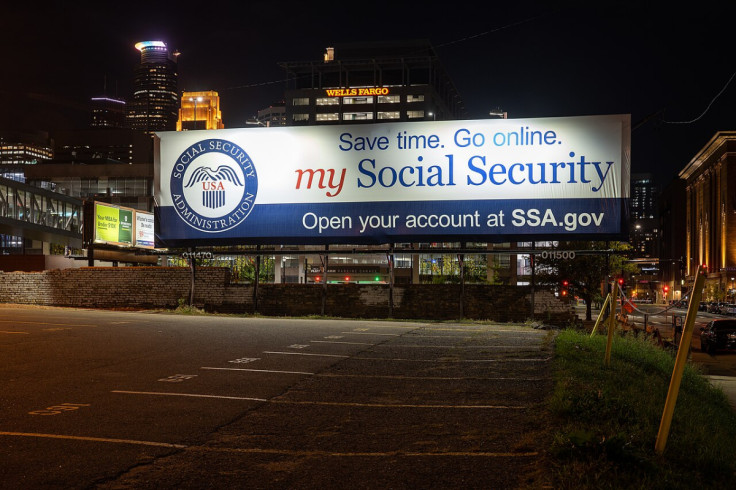
More than 12,000 living Americans were wrongly recorded as dead by the Social Security Administration (SSA) in 2025, according to a new inspector general audit that also found the agency frequently failed to follow its own procedures when correcting those mistakes.
Social Security mistakenly reported more than 12,000 Americans as dead in 2025, and fumbled fixes https://t.co/vV1aDqf0lj
— Just the News (@JustTheNews) July 6, 2026
The watchdog identified 12,504 erroneous death reports among the 5.6 million death records processed by the SSA during the year. Although the errors represented just 0.22% of all death reports, auditors found that nearly half of the corrected cases were not properly documented, raising concerns about accountability and increasing the risk of future mistakes.
The findings illustrate how a relatively small number of administrative errors can have serious consequences when government records incorrectly identify living people as deceased.
Errors With Lasting Consequences
The Office of the Inspector General (OIG) warned that an inaccurate death report can trigger widespread financial and administrative disruption for someone who is still alive. According to the audit, individuals mistakenly recorded as deceased may face bank account closures, delayed tax refunds, denied credit applications and difficulty securing employment if incorrect information is shared with other government agencies or private organisations.
The report also warned that inaccurate death information released publicly can damage a person's financial standing and create additional obstacles while agencies work to reverse the error. Although erroneous death reports account for only a small share of the SSA's annual workload, the audit noted that the consequences can be severe because numerous public and private institutions rely on Social Security death records to verify identity and legal status.
Documentation Fell Short
While auditors found that the SSA generally corrected erroneous death reports, they also concluded that employees frequently failed to document why those corrections had been made. The review found that 45% of corrected cases lacked the documentation required under the agency's own procedures.
Incomplete records make it more difficult for the SSA to investigate future questions about an individual's status, detect recurring patterns and determine why an incorrect death report was entered in the first place.
The report also warned that inadequate documentation weakens the agency's ability to respond effectively if another death report is later submitted for the same individual, increasing the likelihood that similar errors could occur again.
In a smaller number of cases, the consequences extended beyond paperwork. Auditors found that about 1% of individuals who had been incorrectly declared dead did not have their Social Security benefits restored after their records were corrected.
Watchdog Calls for Stronger Controls
The inspector general recommended several measures aimed at improving the agency's handling of erroneous death reports. Among the recommendations, auditors urged the SSA to strengthen staff training, reinforce existing documentation requirements and provide clearer guidance on how employees should record the reasons for removing an incorrect death entry from agency records.
The report also called for more consistent procedures to ensure every correction leaves a complete audit trail, allowing future staff to understand why changes were made and reducing the likelihood of repeat errors. According to the watchdog, stronger documentation would improve accountability while helping the agency identify broader trends contributing to inaccurate death reporting.
A System That's Still Vulnerable
The findings come as the SSA continues to face heightened scrutiny over the accuracy of its records and the administration of benefits. Banks, employers, tax authorities, government agencies and other organisations all rely, to varying degrees, on Social Security records to verify identity and determine eligibility for services or payments. As a result, an incorrect death report can quickly affect multiple aspects of an individual's financial and legal affairs before the error is identified and corrected.
Although the audit found that erroneous death reports remain relatively uncommon — roughly one in every 450 death reports processed during 2025—the inspector general concluded that the agency's correction process still requires improvement.
By failing to consistently document how mistakes are resolved, the SSA limits its ability to detect recurring problems, strengthen internal controls and prevent similar errors from affecting others in the future.
For individuals who believe they may have been mistakenly reported as deceased, the SSA has procedures to correct records and restore benefits where appropriate. The audit suggests, however, that ensuring those corrections are fully documented is just as important as making them in the first place.
The watchdog's findings ultimately point to a broader lesson. Maintaining accurate records is only one part of the SSA's responsibility; ensuring that mistakes are corrected promptly, consistently and with a clear audit trail is equally essential to protecting public confidence in one of the federal government's most relied-upon record systems.
© Copyright IBTimes 2026. All rights reserved.