Fake 'Tom Selleck' AI Romance Scam Ends in Tragic Murder-Suicide of California Couple
An AI-driven romance scam impersonating Tom Selleck is linked to the deaths of an elderly California couple, highlighting the emotional and financial toll of such sophisticated frauds.
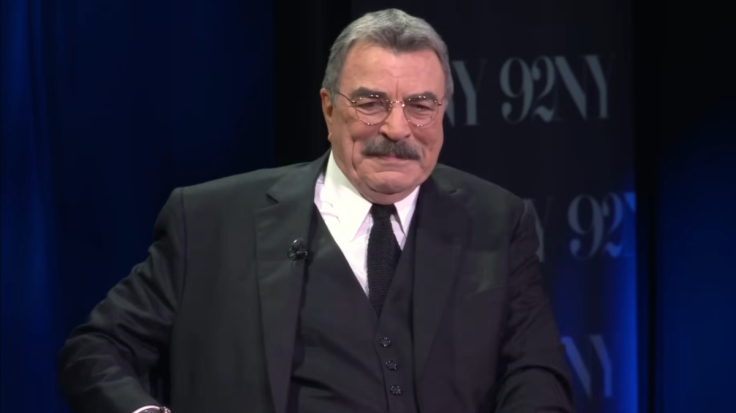
A suspected AI romance scam involving a fake 'Tom Selleck' persona has been linked to the deaths of an elderly California couple, after authorities found Donald and Karen Whitaker dead in their Bermuda Dunes home on 15 May following a welfare check, with investigators treating the case as a murder-suicide.
Riverside County Sheriff's Office said both victims, aged 80 and 79, had suffered 'traumatic injuries,' though the circumstances leading to their deaths remain under investigation. What has emerged since, largely through accounts from those close to the couple, is a months-long entanglement with an alleged celebrity impersonation scam that appears to have placed severe financial and emotional strain on the household.
Family friend Joy Meidecke told People that Karen Whitaker had become convinced she was communicating online with the Magnum, P.I. actor. 'She thought it was really Tom Selleck,' Meidecke said. 'Nobody could stop her.'
AI Romance Scam Unravels
According to Meidecke, the interaction began on Facebook last summer after Karen publicly posted about the death of a friend. The scammer, or group behind the account, allegedly used details from her profile to build rapport before gradually requesting money.
It started small, gift cards, modest transfers, the kind of requests that can be brushed off as harmless. But the amounts grew. Meidecke estimates Karen sent at least $30,000, though she admits the true figure may never be known.
Attempts to intervene appear to have failed. Family members reportedly cut up Karen's credit cards and removed her from shared financial accounts. Still, she found ways to send money.
The impersonator allegedly claimed 'Tom Selleck' was organising an event in the California desert and told her she could secure a place by sending $80. It sounds almost absurd when written down. These hooks are often effective precisely because they feel personal, tailored, and oddly plausible to the person receiving them.
Authorities had already been alerted before the deaths. Meidecke said she reported concerns, prompting adult protective services to visit the Whitakers' home months earlier. It was during that period, she suggested, that Donald Whitaker became fully aware of the situation.
'That was the last straw for Donald,' she told People. 'He was so embarrassed.'
That word, embarrassed, hangs over the case. Financial loss is one thing. Public humiliation, particularly for older victims, can be harder to absorb, harder to talk about.
Rise Of AI Romance Scams Using Celebrity Impersonation
What happened to Karen Whitaker reflects a broader and increasingly sophisticated trend. Celebrity scams are not new, but the tools behind them have changed quickly.
Where once these schemes relied on crude fake profiles, scammers now use artificial intelligence to generate convincing images, clone voices and produce personalised messages that mimic real people with unsettling accuracy. The result is not just deception, but immersion.
The FBI's Internet Crime Complaint Centre reported that Americans over 60 lost more than $3.4 billion to scams in 2023, with romance and confidence fraud among the most damaging categories. Separate research by McAfee found that 21% of people said they had been contacted by someone posing as a celebrity, and roughly one in three of those who engaged reported financial loss.
Older adults are frequently targeted, not because they are naïve, but because scammers exploit familiarity, trust and, in many cases, isolation. Meidecke told People she believed Karen may have been experiencing early cognitive decline, a factor that can make victims more susceptible to sustained manipulation.
A widely reported case last year involved a French woman who lost hundreds of thousands of dollars to scammers posing as Brad Pitt using AI-generated images and fabricated messages.
Online, the Whitaker case has prompted a wave of reaction, particularly on Facebook and X, where users have expressed a mix of shock and anger. Some pointed to the emotional vulnerability behind these scams, others to the speed at which AI has blurred the line between fiction and reality.
When Financial Fraud Turns Personal
There is a tendency to treat scams as purely financial crimes, numbers lost, accounts drained. Cases like this complicate that framing.
The Whitakers' story, as described by those close to them, suggests something more layered. Emotional investment, fractured trust, and the slow erosion of shared reality inside a marriage. At what point does a scam stop being about money and start becoming something else entirely?
Law enforcement has not publicly confirmed the role of the alleged scam in the deaths, and the investigation remains ongoing. Still, the sequence of events, as recounted by Meidecke, sketches a grim trajectory. Mounting losses. Failed interventions. A growing sense of disbelief inside the home. And then, abruptly, silence.
© Copyright IBTimes 2026. All rights reserved.
- Recommended For You