

Starbucks Korea Blasted Over Ad Campaign That References 1980 Gwangju Massacre, Triggering Boycott Calls
Starbucks Korea's marketing misstep reportedly referenced the 1980 Gwangju uprising, during which hundreds of activists were killed.
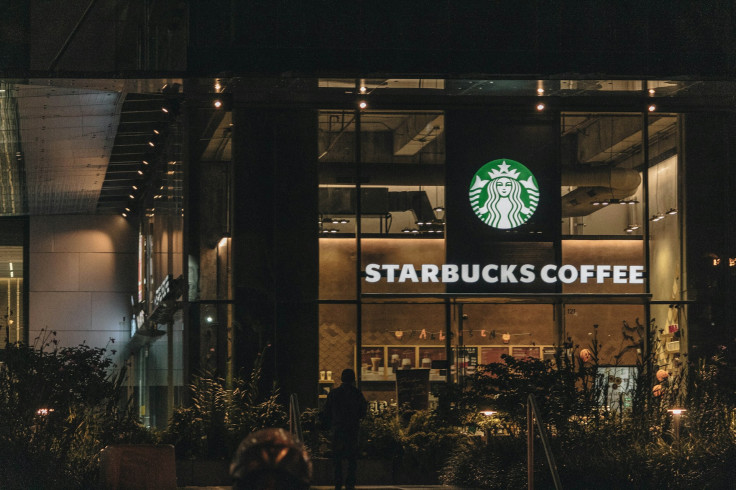
Starbucks Korea is facing boycott calls from customers over a marketing campaign referencing the 1980 Gwangju pro-democracy uprising, sparking accusations of insensitivity.
The ad campaign backlash has placed the brand's local leadership under pressure, with Shinsegae Group chairman Chung Yong-jin issuing a second public apology in two weeks as anger over the promotion continued to grow, according to CBS.
The promotional event attempted to market a large tumbler size as a 'tank,' alongside a branded 'Tank Day' set for 18 May, the anniversary of the Gwangju uprising. That uprising saw a military crackdown on pro-democracy demonstrators in the southern city, a moment still deeply embedded in South Korea's modern political memory.
However, the campaign was withdrawn almost immediately after public reaction turned hostile. The fallout, though, has continued to spread, drawing in politicians, civil groups and government officials who have questioned how the idea was approved in the first place.
Ad Linked to Sensitive Historical Memory
Shinsegae Group chairman Chung Yong-jin, whose company holds a majority stake in Starbucks Korea, appeared in a televised statement where he bowed repeatedly and asked for forgiveness from victims' families and the public.
His apology followed an earlier statement issued a week prior, which had already acknowledged 'deep pain' caused by the campaign.
The promotional material also drew particular anger for its slogan, 'Thwack it on the table!' which critics linked to a widely-condemned police phrase associated with the 1987 death of student activist Park Jong-chol. The wording was interpreted by many as evoking state violence and cover-ups.
The Gwangju uprising itself remains one of the most sensitive events in modern South Korean history. In May 1980, troops and armoured vehicles were deployed against civilians protesting military rule following a coup the previous year. Official records estimate around 200 deaths, though activists have long argued the real number was higher.
Chung, speaking during his apology, said he took 'very seriously the fact that many people felt deep pain and anger because of Starbucks Korea's inappropriate marketing campaign.' He also urged the public not to direct frustration at store employees, stressing that responsibility lay with senior management.
The company's response has already had internal consequences. Starbucks Korea's chief executive was dismissed shortly after the campaign was withdrawn, and Shinsegae executives have confirmed an internal review is underway.
Executive Jeon Sangjin said there is still no clear proof that marketing staff meant to mock the Gwangju pro-democracy movement. However, he added that if any employee is found to have done so deliberately, they could face punishment. The company is also cooperating with a police investigation.
Boycott and State Response
The reaction has now gone beyond the company itself, with South Korean government officials also stepping in.
The Interior and Safety Minister, Yoon Ho-jung, said Starbucks products will no longer be used at official government events. He also called the campaign 'anti-historical behaviour,' showing how seriously officials view the issue.
South Korea's President Lee Jae Myung also criticised the campaign publicly on social media. He called it 'inhumane and disgraceful behaviour by cheap profiteers who deny the values of the South Korean community, basic human rights and democracy.'
Public anger has also started, with many people calling for a boycott of Starbucks Korea. Some retail analysts, quoted in the same report, say sales have already dropped since the controversy began, although exact figures have not been officially confirmed.
As investigations continue and public anger remains strong, Starbucks Korea now faces uncertainty over whether it can rebuild trust, or whether the controversy will cause lasting damage to its reputation in the country.
© Copyright IBTimes 2026. All rights reserved.