

'Please Get This Monster Help': Netizens React to Trump Calling Journalists 'Treasonous'
Trump's war of words with Iran is now a war of words with the press, and the collateral damage is the very idea of independent journalism.

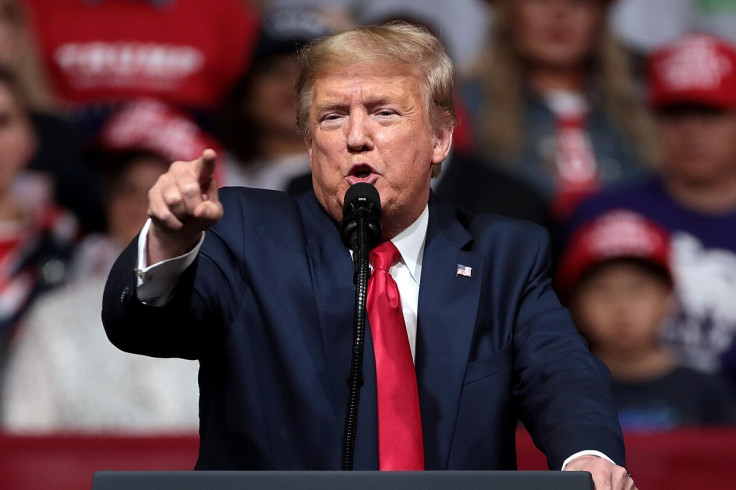
Donald Trump called journalists 'treasonous' on Monday during a surprise Oval Office press conference at the White House, accusing sections of the 'fake news media' of wanting Iran to win the ongoing war and prompting a wave of online backlash branding the president a 'monster' who 'desperately needs help.'
Tensions between the United States and Iran have escalated sharply in recent weeks, with the two sides trading strikes after Iran targeted commercial vessels passing through the Strait of Hormuz. A fragile memorandum of understanding, which Donald Trump had welcomed just three weeks earlier as a path to 'peace and security' in the region, now appears to be unravelling amid his increasingly hostile rhetoric.
Trump's 'Treason' Claim Over Iran War
Speaking from behind the Resolute Desk, Trump claimed that Iran's military capability had been severely degraded and suggested some US journalists were effectively siding with Tehran. 'So we have them in a position that they don't have any military. There's not a thing they can do about it,' he told reporters, according to the remarks delivered in the Oval Office. He then turned his fire on the press, repeating his long‑standing attack line against 'fake news.'
'All they have is fake news because the fake news would rather see us lose the war than win the war, which is really treasonous in a certain way,' Trump said, before announcing: 'So we're doing another very major attack tonight.'
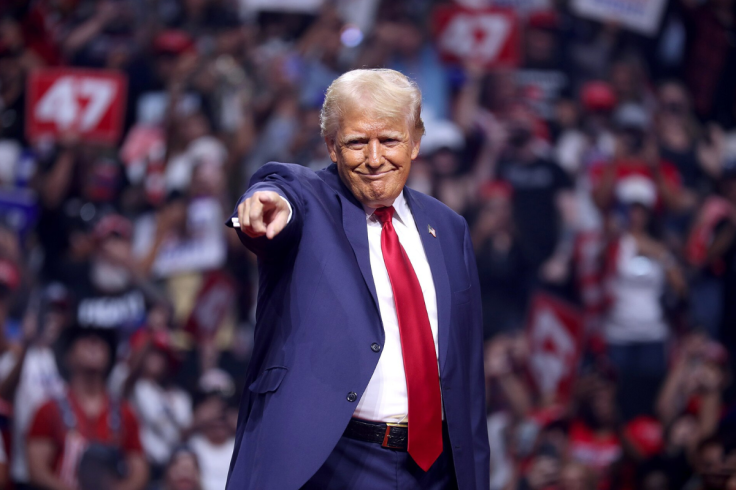
The president went on to boast that Iran 'want to make a deal,' claiming talks had resumed after what he portrayed as decisive US military action. 'So we're doing another very major attack tonight. They want to make a deal,' he said. 'They came back. We made a deal two days ago, and they want to make a deal.'
He added that Iran had 'been negotiating for 47 years' but insisted 'nobody's ever hit them militarily,' concluding: 'We're hitting them very hard.'
The White House has not yet released detailed information about the 'very major attack' Trump referenced, and there was no immediate clarification from the Pentagon on operational specifics. IBTimes UK could not independently verify Trump's full claims about Iran's military position, so everything should be taken with a grain of salt.
Iran Conflict Deepens as Ceasefire 'Over'
Trump only recently hailed a memorandum of understanding with Iran, signed three weeks ago, as a breakthrough that would help end the conflict he said he was waging alongside Israel. At the time, he sold the agreement as a route to 'peace and security' in the wider Middle East, a message aimed both at nervous allies and war‑weary voters back home.
But the tone shifted rapidly after a new round of strikes. On Sunday night, the US and Iran exchanged attacks again, underscoring how fragile any ceasefire had become.
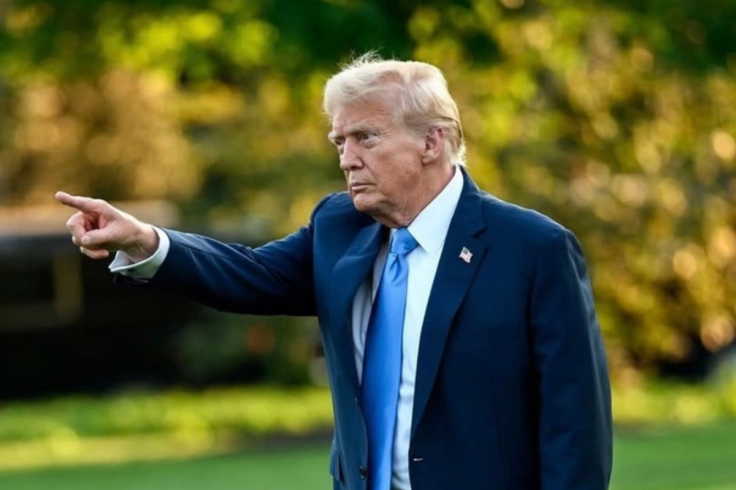
By Wednesday, speaking to reporters in Ankara, Turkey, where he was attending a NATO summit, Trump formally all but disowned the agreement. 'I think it's over. I don't want to deal with them anymore. They're scum,' he said.
Those remarks, attributed to Trump's pool comments in Ankara, underlined a dramatic reversal in just a matter of weeks. What was framed as a diplomatic glidepath now looks like a political cul‑de‑sac, with the president returning to the bellicose language that helped define his earlier years in office.
The volatility is not only strategic. It is also deeply political. The Iran war has become another front in Trump's constant battle with the media, and his decision to throw around the word 'treason' about journalists has inevitably bled into America's already raw culture wars.
Social Media Calls Trump a 'Monster' After 'Treasonous' Attack
Reaction on social media to Trump's Oval Office broadside was instant and, in many corners, unforgiving. On X, critics piled in on the treason line and the apparent relish with which he announced 'another very major attack.'
'Please get this monster the help he desperately needs. I will settle for a padded room with a lock on the door!!' one user wrote, summing up the view of those who see Trump's rhetoric as not just reckless but unhinged.
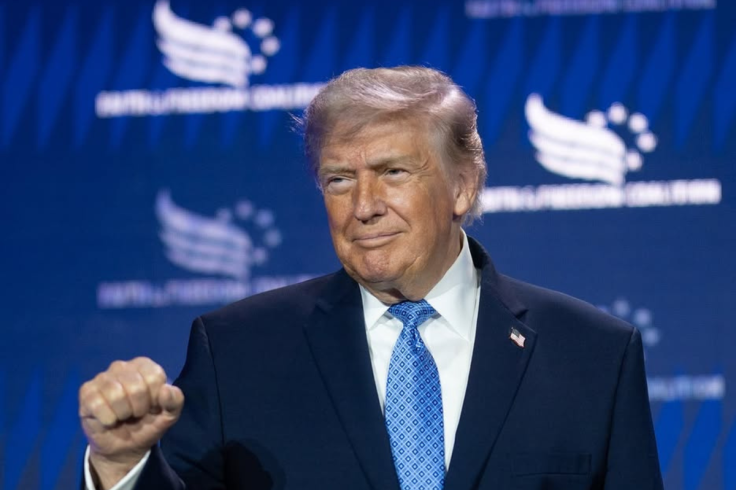
Another user, taking aim at Trump's most loyal supporters, posted: 'Nothing matters to MAGAs. Their Golden Calf has called it treason so it must be treason.' The comment captured a familiar frustration, that any escalation in Trump's language, however wild, seems to be instantly absorbed and defended within his base.
There was, as usual, a parallel chorus of defenders, although their posts were less prominent in the immediate swirl of criticism. The overall tone of the online conversation was clear enough, and it was not flattering to the president. The broader point was: accusing journalists of treason because they report critically on a war is not just another throwaway Trump line. It strikes at the idea that an independent press can question military decisions without being painted as siding with the enemy. In any functioning democracy, that matters.
Treason, the Press and a President Who Thrives on Fury
Treason in US law has an extremely narrow definition, revolving around levying war against the country or giving 'aid and comfort' to its enemies. Reporting on a conflict, even sceptically, does not qualify. Trump knows this, or at least his lawyers do, which is partly why his choice of words lands as a purely political weapon rather than a legal argument.
The language, however, still has consequences. It invites supporters to see critical coverage of the Iran war as an act of betrayal. It suggests that those asking hard questions about strategy or civilian casualties secretly want America to 'lose.' It packages journalism itself as an enemy target, which is the kind of stuff that tends to outlive the presidency that popularised it.
Officials have tried, in the past, to soften some of Trump's sharper edges, but there was no immediate effort from the White House communications team to walk back Monday's 'treasonous' line. That silence, intentional or not, leaves his words hanging.
Trump, for his part, appears to relish the fight. He has already weathered years of controversy over his attacks on the 'fake news media,' and each new flare‑up seems to confirm a dynamic he finds politically useful: he is the embattled commander‑in‑chief, the press are the enemy, and anyone unconvinced is invited to pick a side. Whether that framing holds as the Iran conflict drags on, with more strikes and fewer clear answers, is another question entirely.
© Copyright IBTimes 2026. All rights reserved.