Trump Sparks Backlash After Claiming 'Guys Like Me' Built America, Blasting Working-Class Critics as 'Ingrates'
Trump's boast that 'guys like me' built America cuts to a raw question: whose sweat and risk really count when a country tells its origin story?
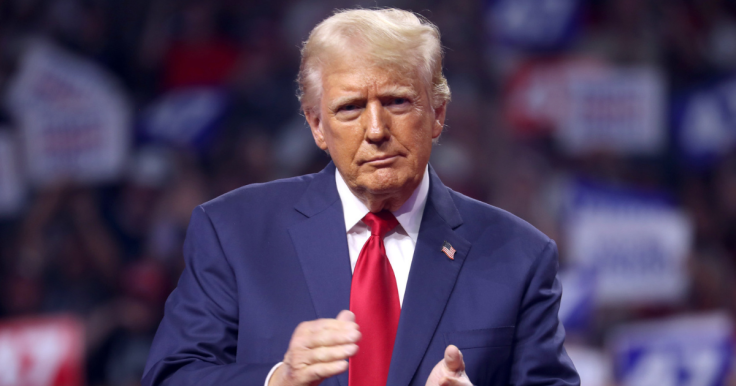
Donald Trump is facing renewed criticism in Washington after telling reporters in the Oval Office on Thursday, 11 June, that 'guys like me' built the United States and dismissing working‑class critics as 'ingrates'. The remark, offered as a defence of his record and policymaking style, has quickly drawn fire from those who say Trump is trying to rewrite who really built America and who counts as a 'builder' today.
Trump was responding to a question about how he approaches policy when he slipped into a familiar story about himself as a builder and businessman. He has long presented himself as a self‑made, hands‑on mogul, a claim that sits uneasily with the documented fact that he inherited a large New York property empire and millions of dollars from his father, Fred Trump.
'Guys Like Me' And The Question Of Who Built America
In his latest comments, Trump tried to fold that self‑made image into the country's origin story. He praised 'fishermen or farmers or anything else', then added: 'Me, guys like me, they built the country,' before dismissing his critics as 'ingrates'.
Some listeners heard it as another instance of Trumpian self‑promotion. But the wording jarred with many who see 'built this country' as a tribute to labourers, construction crews, steelworkers, artisans and those who served in uniform. Trump has never done military service or manual work.
@newsweek Speaking to reporters in the Oval Office, President #DonaldTrump said fishermen, farmers, and "guys like me" built the country after being asked how he approaches policymaking. #news #newsweek #politics
♬ original sound - Newsweek - Newsweek
By putting himself in the same bracket as farmers and fishermen, opponents argued, he blurred the grind of low‑paid physical labour into a tale about elite deal‑making and branded towers. For them it was not just clumsy; it shifted attention from collective effort onto his own role and image.
Critics also circled back to his biography. Trump regularly calls himself a 'self‑made' billionaire, but detractors note that when you begin with a substantial real‑estate inheritance and a family name already stamped across New York, your idea of 'building' is a world away from the people laying bricks or welding steel.
Trump Sparks Online Anger With 'Ingrates' Remark
The latest Trump row played out in real time on X, where users lined up to dissect his 'guys like me' line and the jab at 'ingrates'.
Many saw it as a direct insult to the workers he was ostensibly praising. One user wrote: 'That's so offensive to the people who actually built this country.' Another said: 'What did he build? Multiple edifices to his vanity, he didn't build a city or roads or anything.' A third added: 'Guys like him are born into extensive wealth and use that unearned wealth as selfishly as humanly possible.'
Others focused on the way he split Americans into 'builders' and 'complainers'. By drawing that line, opponents argued, Trump was effectively suggesting that anyone questioning his policies, or his self‑image as a builder, is ungrateful and therefore less legitimate.
The discontent was not confined to progressive corners of the internet. People who come from families of tradespeople and veterans objected to seeing decades of hard, physical work folded into a soundbite about entrepreneurial success. It is one thing to praise business achievement; it is another to suggest that owning companies is the same as shouldering the risk and injury of frontline work.
Supporters See A 'Builder' Under Fire
Trump's base heard the 'guys like me' line very differently. For many of his backers, it was less an insult to workers and more a defence of entrepreneurs, developers and executives as engines of jobs and growth.
They argued that people who take financial risks, oversee major projects and attract investment are central to national prosperity, even if they never swing a hammer. From that angle, Trump's history as a real‑estate developer, fronting skyscrapers and large‑scale builds, makes him a literal builder in a way most politicians are not.
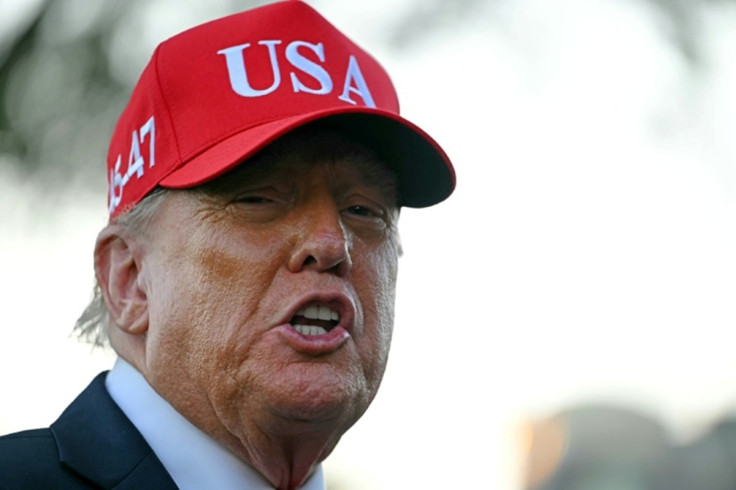
They also leaned into his style. Fans often point to his blunt, unfiltered language as proof of honesty, even when it is provocative, and say he is simply refusing to flatter what he sees as a culture of grievance. To them, calling critics 'ingrates' reads as strong talk rather than contempt.
Pro‑Trump commentators cast the backlash as another instance of him being challenged for stating an uncomfortable view about who drives economic growth. They rejected claims that inherited wealth erases later business decisions, and insisted that leading major construction ventures still qualifies as 'building' in a meaningful sense.
Who Gets To Claim The 'Builders' Mantle?
There is a broader argument running beneath the dispute. The phrase 'built this country' has long carried symbolic weight in US politics, claimed by unions, veterans' groups, business lobbies and civil‑rights leaders alike. Trump's choice to put 'guys like me' at the centre of that story highlights an ongoing fight over who can claim it.
On one side are those who say the United States was raised, brick by brick, by workers whose names never appeared on a tower. On the other are those who argue that without people signing cheques, taking financial risks and pushing projects through, none of that work would have happened on a national scale.
Trump's Oval Office soundbite managed to concentrate that clash into a few seconds of television, then intensified it by calling his doubters 'ingrates'. His words reignited debate over class, work and recognition in American politics, and over where business leaders fit in the story of who built the country.
© Copyright IBTimes 2026. All rights reserved.
- Recommended For You