

Trump Admin Considers Suspending 100-Year-Old Law 'Jones Act' Amid Iran Conflict and Soaring Fuel Prices
US is considering a limited 30-day waiver to allow foreign tankers to alleviate energy supply bottlenecks caused by the ongoing war in Iran
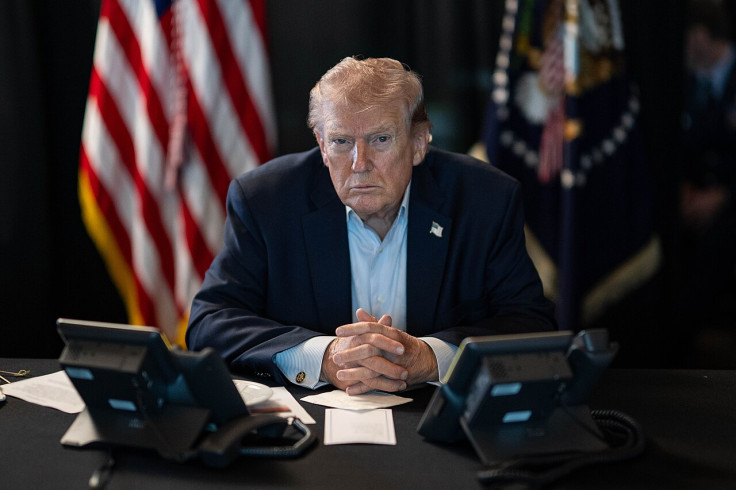
The Trump administration is actively considering a temporary waiver of the Jones Act to ease mounting pressure on energy markets and logistics as the conflict in Iran disrupts global shipping.
The potential move follows a dramatic spike in crude oil prices, which have surged past $100 per barrel after threats to the vital Strait of Hormuz, a narrow waterway that serves as a critical transit point for roughly one-fifth of the world's daily oil supply.
By allowing foreign-flagged vessels to transport fuel between US ports, officials hope to alleviate domestic bottlenecks and provide relief to consumers facing the sharpest fuel cost increases in over two years.
Understanding The Century-Old Maritime Law
The Merchant Marine Act of 1920, widely known as the Jones Act, is a foundational federal statute that bolsters national security and maintains a robust domestic shipbuilding industry. It mandates that any vessel transporting goods between two United States ports must be built in America, owned by US citizens, registered under the US flag, and crewed primarily by American mariners.
While proponents argue that the law is essential for maintaining a domestic merchant fleet capable of supporting naval operations during wartime, critics have long maintained that these protectionist requirements artificially inflate transport costs. In the current crisis, these restrictions limit the available fleet for moving refined products like gasoline and jet fuel from the Gulf Coast to fuel-hungry markets on the East Coast, effectively magnifying the supply shock.
Critics say the Jones Act inflates costs, making goods, including fuel, more expensive on US shores. Foreign ships, often cheaper to operate and build, are barred from domestic routes. This restriction hits states like Hawaii, Puerto Rico, and Alaska hardest since they depend heavily on maritime supply chains.
Why Now?
The Strait of Hormuz, a vital chokepoint for oil shipments, has become riskier to navigate due to the Iran conflict. Attacks and blockades have reduced supply, prompting oil prices to surge past $100 a barrel. This spike is pushing fuel prices higher across the US. Gasoline, already climbing steadily, now hovers around $3.70 a gallon, a significant jump from previous months.
The White House faces mounting pressure to act. President Donald Trump, whose administration is now considering a waiver, recognised the law as 'restrictive' but also noted its strong congressional support. The aim is to find ways to keep energy flowing and stabilise prices, even if temporarily. The White House has confirmed discussions are underway, but hasn't set a timeline for any decision.
Could Waiving The Law Help?
Allowing foreign-flagged ships to operate along the US coastlines could increase shipping options. It might help lower consumer costs, at least slightly. An analysis by the Centre for American Progress suggests a modest reduction of around three cents per gallon on the East Coast. But the benefits are uncertain and could come with drawbacks.
For instance, lifting restrictions might harm US shipbuilders and maritime workers, who have long relied on the Jones Act for business. It could also benefit the oil industry, which stands to profit from continued high prices while transport costs decline. Critics argue that such a move offers only short-term relief and risks undermining the domestic industry.
Broader Energy Moves
The US government has already taken steps to boost oil supplies. The Treasury Department granted a temporary license to waive sanctions on Russian oil for a month, aiming to ease global supply tensions. The US is also releasing 172 million barrels from its Strategic Petroleum Reserve over 120 days. The International Energy Agency announced it will release a record 400 million barrels from its member nations' stockpiles.
These measures are aimed at stabilising prices but are viewed as short-term solutions. Oil markets remain volatile, and if the Iran conflict persists, prices could climb further. The US produces a lot of its own oil but still relies on imports, especially for refining heavier crudes.
The Rising Prices And Suffering
For ordinary Americans, the impact of rising fuel prices hits hard. Families planning summer road trips are tightening their budgets. Small businesses face higher costs. Many wonder if a waiver of the Jones Act could provide some breathing room.
Truck drivers, who have been on the road for over two decades, shared that every cent counts. When fuel prices spike, it means longer trips to make ends meet. For communities dependent on maritime shipping, delays and higher costs ripple through daily life.
Future Of Jones Act
Whether the Trump administration goes ahead with a waiver remains uncertain. The law's defenders argue it's vital for national security and maintaining a strong US maritime industry. Opponents say it's outdated and hampers economic efficiency.
As global tensions rise and energy prices remain volatile, policymakers face a tough balancing act. Protecting American jobs and security versus ensuring affordable energy and goods. The decision on suspending the Jones Act could have consequences beyond immediate relief, shaping US shipping policy for years to come.
© Copyright IBTimes 2026. All rights reserved.
- MOST POPULAR IN World


