Trump Draws Red Line: No Final Iran Agreement If Tehran Charges Shipping Fees
Trump rejects Iran's Hormuz shipping fees proposals, emphasising free passage as non-negotiable

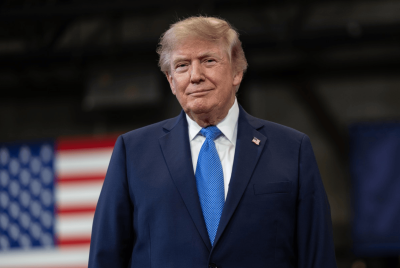
President Donald Trump has drawn a red line on any final agreement with Iran, making clear that charges on shipping or maritime transit fees would make a deal unacceptable. Speaking on Wednesday during a meeting with NATO Secretary General Mark Rutte at the White House, Trump said such provisions could not form part of any settlement.
The comments follow the signing of a ceasefire framework earlier this month and come as negotiators seek to conclude broader terms covering nuclear limits and sanctions relief.
Trump Rejects Any Shipping Fees In Iran Deal
Trump stated that permitting Iran to charge fees for passage through the Strait of Hormuz would be unacceptable. 'It would be unacceptable to me,' he told reporters. He warned that allowing the charges would set a precedent requiring similar arrangements for other countries and described it as a potential game changer for global maritime practices.
This position echoes earlier remarks by US officials. Last month, Secretary of State Marco Rubio rejected the idea of any payment for passage through the strait, saying it could not happen and would make a diplomatic deal unfeasible.
Trump has long advocated for the waterway to remain permanently toll-free once reopened under the ceasefire arrangements. The remarks underscore the administration's firm priority on maintaining unrestricted and cost-free access to the strategic route without additional levies imposed by Tehran.
Iran Negotiations Context And The Hormuz Transit Dispute
Negotiations between the US and Iran have extended over more than a year and have included periods of heightened military tension and conflict earlier this year. A memorandum agreed in mid-June set out steps for a 60-day ceasefire and the reopening of the Strait of Hormuz to commercial shipping.
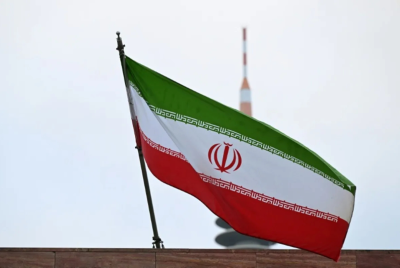
Iran has proposed charging what it describes as maritime service fees rather than traditional tolls. Officials in Tehran argue these would provide compensation for services such as safe passage management in the waterway. Tehran maintains the distinction preserves compliance with international norms that prohibit tolls in natural straits.
US negotiators and President Trump have consistently opposed any form of charge on transiting vessels. Experts in international law have pointed out that free passage through natural straits such as the Strait of Hormuz represents an established principle, with no provision for coastal states to levy fees or tolls on vessels exercising their right of transit. The issue has complicated efforts to finalise terms.
The fees issue has emerged as a notable sticking point even as progress continues on other elements of a potential settlement, including limits on Iran's nuclear programme and discussions around sanctions relief.
Potential Impact On Global Shipping And Precedent
Any introduction of fees on traffic through the Hormuz strait would likely increase operational costs for shipowners and could contribute to higher prices for oil and goods transported via this route. The waterway handles a substantial share of the world's seaborne oil trade.
Beyond the immediate economic effects, the dispute raises questions about precedent for other strategic maritime passages. Allowing charges in one location might encourage similar demands by nations controlling comparable waterways, potentially altering the framework of international maritime law.
Talks between the parties continue, with the shipping fees question now positioned as a central condition for the final approval of any comprehensive agreement. Trump's red line provides clear parameters for negotiators on this critical aspect of the Trump Iran deal shipping fees.
© Copyright IBTimes 2026. All rights reserved.
- Recommended For You