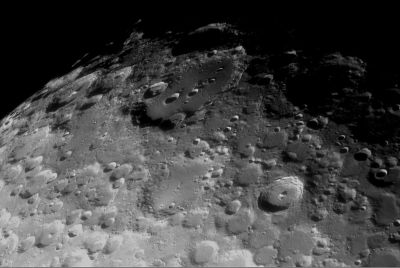
July's 'Buck Moon' Rises This Week: Why This Full Moon Could Look Different in the Sky
Discover the cultural significance and viewing tips for July's Buck Moon

Skywatchers across the Northern Hemisphere are preparing for the arrival of July's 'Buck Moon,' the full moon traditionally associated with the time of year when male deer begin growing new antlers.
The Buck Moon is expected to reach peak illumination this week, offering stargazers an opportunity to observe one of the most recognisable lunar events of the summer. According to astronomers, this year's Buck Moon may appear noticeably different depending on a viewer's location, atmospheric conditions and the moon's position in the sky.
While the Buck Moon occurs every July, experts say seasonal factors can create the illusion of a larger, brighter or more colourful moon, leading many observers to believe something unusual is happening.
Why Is It Called the Buck Moon?
The name 'Buck Moon' comes from Native American traditions and was later popularised through publications such as The Old Farmer's Almanac.
Historically, July marked the period when male deer, known as bucks, began growing a fresh set of antlers after shedding those from the previous year. The annual lunar name became associated with this seasonal change and has remained part of astronomical folklore for generations.
Other cultures have used different names for July's full moon, often reflecting agricultural cycles, weather patterns, or local wildlife.
Why This Year's Moon May Look Different
Astronomers say the Buck Moon can appear larger or more dramatic when it is close to the horizon, a phenomenon commonly known as the 'moon illusion.'
Although the moon's actual size does not change significantly from a human observer's perspective, the surrounding landscape can make it seem much larger than when it is higher in the sky. Atmospheric particles can also affect its appearance, sometimes giving the moon orange, red, or golden hues during moonrise and moonset.
Experts note that local weather conditions will play a major role in determining how visible the full moon is in different regions.
Best Time to Watch
The best viewing opportunities are generally expected shortly after sunset when the moon first rises above the horizon.
Astronomers recommend finding a location away from heavy light pollution, such as rural areas, open countryside or coastal viewpoints. Binoculars or telescopes can enhance visibility, although the Buck Moon will be easily visible with the naked eye under clear skies.
Photography enthusiasts are also expected to take advantage of the event, particularly during moonrise when the lunar disc often appears most striking.
A Seasonal Highlight for Skywatchers
Unlike eclipses or rare planetary alignments, the Buck Moon is a predictable annual event. Nevertheless, it remains one of the most popular full moons because of its cultural significance and seasonal timing.
Astronomers say lunar events continue to attract widespread public interest because they offer an accessible way to engage with the night sky without specialised equipment.
For many observers, this week's Buck Moon will simply be an opportunity to appreciate a familiar celestial spectacle. Whether viewed from a city skyline or a remote countryside location, the July full moon remains one of the defining astronomical events of the summer season.
© Copyright IBTimes 2026. All rights reserved.
- Recommended For You