Who Really Funds UK Politics? The Growing Influence of Mega Donors Explained
Exploring the impact of record-breaking donations on UK political parties and elections.

Political money in Britain is rising at a pace that raises questions about influence and transparency. UK political parties accepted £24.7m in donations and public funds across Q1 2026, substantially higher than the £13.7m collected over Q1 2025.
While political parties claim broad public support, the reality is more complex. A growing share of funds comes from small groups of wealthy individuals instead, reshaping the landscape of British democracy.
Where Party Money Comes From
UK political parties are funded through a combination of private donations, trade unions, business donations, membership fees, and public funds. The UK's political financing system is designed to be transparent, so donations and other sources of funding are regularly published by the Electoral Commission.
In Q1 2026, UK political parties accepted more than £20.8m in declarable donations. Following is a list of major parties and their donations:
| Labour Party | 4,046,640 |
| Conservative and Unionist Party | 4,225,354 |
| Liberal Democrats | 2,291,101 |
| Reform UK | 9,262,000 |
| The Scottish National Party | 125,000 |
| Plaid Cymru | 25,000 |
| Green Party | 163,000 |
Reform UK accounted for roughly 45% of all political donations accepted by major UK political parties in this quarter.
These headline figures obscure an increasing trend: a significant proportion of political funding comes from a surprisingly small number of individual donors.
The Rise of the Mega Donor
UK law restricts who can donate to political parties, but there is no cap on donation size. This enables a small number of wealthy individuals to contribute millions to party coffers. In Q1 2026, just two donors — Christopher Harborne and Ben Peter Delo — accounted for around a third of all donations over the period, donating just over £7m to Reform UK. Harborne alone has become one of the most significant donors in UK political history following his record-breaking £9m donation last year.
Outside of Reform UK, large donations were far rarer. Only one other gift exceeded £1m, a donation to the Conservative Party from Mary V Doran, representing around 25% of total Conservative Party donations. Labour's largest single donation came from Lord David Sainsbury, at £550,000, although the party raised just over £4m from 21 donors — just under half of which came from five donors. The Liberal Democrats, despite their lower profile than the two historical giants, raised just under £2.3m, of which around £625,000 came from their top five donors.
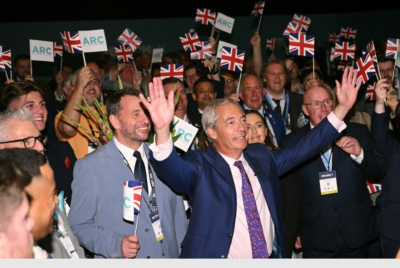
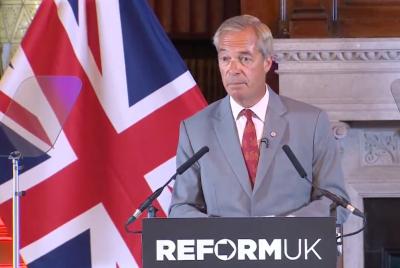
Thanks to its mega donors, Reform UK has surged ahead. In Q1 2026, the party took £9.2m in donations — £7m of which came from just two mega donors — taking in more than twice as much money as the Labour and Conservative parties put together.
Does More Money Mean More Votes?
With a massive influx of money comes the question of whether it's possible to buy an election. According to YouGov polling, just 13% of people think unlimited political donations should be allowed, while groups such as Transparency International argue that uncapped donations turn politics into a 'plaything for the super-rich.' It's clear that political donations are a controversial topic.
Record-breaking political donations for Reform UK have coincided with electoral breakthroughs across England, as the party dominated the 2026 English Local Elections. Regularly leading Westminster opinion polls, the party is widely considered a strong contender for the next UK Government.
But the relationship between funding and electoral success is inconsistent. In Wales, Plaid Cymru won the 2026 Senedd election with just £25,000 in reported donations over the Q1 reporting period, securing 43 seats and overturning a century of Labour dominance in the country despite a fraction of the financial resources of its competitors. Similarly, the Green Party, with its £163,000 in donations, made significant gains in the English local election and entered the Senedd for the very first time.
Taken together, these results suggest that while money can certainly amplify reach, visibility, and organisational support, it doesn't automatically result in electoral success. Success still depends on factors like party organisation, grassroots support, leadership, local campaigning strength, and political momentum.
However, critics argue that there's a deeper concern than pure electoral success: even if donations don't directly buy elections, large contributions can still shape political access and priorities.
Changing Political Donation Rules
The UK government has proposed several changes to donation rules, including a cap on overseas political donations at £100,000 and a ban on donations through cryptocurrencies. The government's proposal would strengthen checks on donors, tighten rules around company donations, and increase transparency requirements.
However, the proposals stop short of imposing limits on donations from UK-based individuals or organisations. Wealthy domestic donors would still be able to contribute millions of pounds to political parties, so the debate over oversized influence will continue.
Mega Donors: The Future of Politics?
The latest Electoral Commission figures show UK politics is still dominated by a small number of wealthy donors, with Reform UK as a clear winner. Yet the experience of smaller parties such as Plaid Cymru and the Greens shows that electoral success can't simply be measured in pounds spent. With the public perception of mega donors as poor, calls for change continue to grow.
As ministers tighten rules on foreign money while leaving domestic donations uncapped, the central question goes unanswered: how much influence should any single donor be allowed to have over British politics?
© Copyright IBTimes 2026. All rights reserved.
- Recommended For You