1,000 Excess Deaths: France's Record-Smashing Heatwave Sparks Chaos and Exploding WWII Ammo Across Europe
Record-breaking heatwave in Europe indicates climate change's deadly impact on public health and infrastructure.

Europe is enduring one of its most severe heatwaves in recent history, with France reporting around 1,000 excess deaths in just three days as record-breaking temperatures fuelled wildfires, disrupted transport networks and even triggered explosions from unexploded Second World War ammunition in Germany.
France says 1,000 excess deaths were recorded during the blistering heatwave sweeping Europe, with health officials warning the true toll is likely higher. pic.twitter.com/DAF4mAZZcZ
— Breaking911 (@Breaking911) June 28, 2026
Scientists say the event is far more than an unusually hot spell. According to researchers at World Weather Attribution (WWA), the temperatures would have been virtually impossible without human-driven climate change, highlighting how rising global temperatures are intensifying risks to public health, infrastructure and emergency services across the continent.
France's Deadliest Days
France's public health agency said more than 1,200 people died on Wednesday, when much of the country experienced its most intense heat, followed by more than 1,400 deaths on each of the following two days. Based on preliminary data, the agency estimates that at least 1,000 additional deaths occurred during the three-day period compared with expected mortality levels. Officials cautioned that the figure is likely to increase as further data, including deaths outside hospitals, is compiled.
France records around 1,000 additional deaths as extreme heat sets European records; the public health agency says most fatalities involved older people, expects mortality rate to rise #Heatwave https://t.co/iFFB9wsARW pic.twitter.com/s3Se1Ztkes
— Gulf Today (@gulftoday) June 28, 2026
The sharpest rise in mortality occurred in areas placed under France's highest red heat alert, which at one stage covered roughly three-quarters of the country. Most of those who died were aged 65 or older, underscoring the disproportionate impact of prolonged extreme heat on older and medically vulnerable people. The figures reinforce concerns that extreme heat is becoming an increasingly serious public health threat rather than simply a seasonal weather event.
Climate Signals Intensify
Researchers from World Weather Attribution concluded that climate change made the heatwave dramatically more likely.
According to the group's rapid attribution analysis, temperatures of this intensity would have been virtually impossible 50 years ago and are now around 200 times more likely than they were two decades ago because of global warming.
The findings add to a growing body of evidence linking climate change to more frequent and more intense heatwaves across Europe, increasing pressure on healthcare systems, emergency responders and critical infrastructure.
Germany Confronts Multiple Threats
Germany also experienced record-breaking temperatures as the heat spread across central Europe.
Preliminary data from the German Weather Service (DWD) showed that Kubschütz in eastern Saxony recorded a nighttime minimum of 29.4C, the warmest night ever measured in the country. Earlier the same day, Möckern-Drewitz in Saxony-Anhalt reached 41.5C, surpassing the previous national temperature record set only a day earlier.
Die Nacht von Samstag auf Sonntag war nach vorläufigen Angaben des Deutschen Wetterdienstes (DWD) die wärmste seit Beginn der Aufzeichnungen in Deutschland. Der Rekord wurde demnach im ostsächsischen Kubschütz aufgestellt, dort sank die Nachttemperatur nicht unter 29,4 Grad. pic.twitter.com/Js6wegBARH
— TRT Deutsch (@TRTDeutsch) June 28, 2026
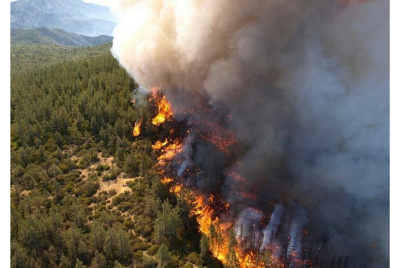
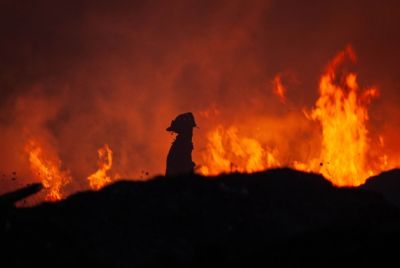
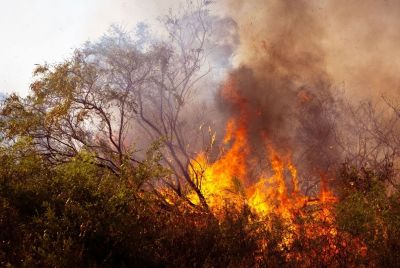
The prolonged heat also heightened wildfire risks. In Gohrischheide, eastern Germany, firefighters battled a blaze in an area contaminated with unexploded Second World War ammunition, making suppression efforts significantly more dangerous.
A separate wildfire near Traisen in southwest Germany forced crews to suspend operations after buried ammunition began exploding. Bomb disposal specialists were later deployed before firefighting could safely resume.
The incidents illustrated how extreme weather can expose long-forgotten wartime hazards alongside more immediate environmental threats.
Infrastructure Under Strain
The effects extended well beyond wildfire zones. In Berlin, police deployed two large water cannons near the Brandenburg Gate to spray cooling water over residents and tourists seeking relief from the heat.
Emergency medical services also came under increased pressure, recording around 500 additional ambulance dispatches on Saturday, many linked to heat-related illnesses.
Elsewhere, prolonged high temperatures damaged transport infrastructure. Highways developed surface cracks, while Deutsche Bahn urged passengers to postpone non-essential travel because of disruption across parts of the rail network.
Together, the public health emergency, transport disruption and growing wildfire danger demonstrated the broad impact prolonged extreme heat can have on daily life.
Europe Faces a New Reality
The heatwave's effects extended beyond France and Germany. In Greece, civil protection authorities issued very high wildfire risk warnings across five regions as soaring temperatures and dry conditions heightened the threat of fast-moving fires.
Farther north, Denmark experienced a dramatic change in weather after its own record-breaking heat, with public broadcaster DR reporting more than 1,150 lightning strikes by Sunday morning following heavy thunderstorms.
While conditions varied across the continent, climate researchers say the broader pattern reflects a Europe becoming increasingly exposed to more frequent and more intense weather extremes.
For governments and emergency services, the latest heatwave has become more than another record-breaking summer. Officials and scientists say it illustrates how rising temperatures are creating cascading risks that extend beyond heat-related illness to transport networks, forests, critical infrastructure and even long-buried remnants of past conflicts, reinforcing the growing challenge of adapting to a warmer climate.
© Copyright IBTimes 2026. All rights reserved.
- Recommended For You