

Housing Safety Net Failed Disabled Tenants, Four Men Used Fake Housing Help To Steal $2.2M In Medicaid Funds
Guilty pleas highlight vulnerabilities in Minnesota's Medicaid-funded housing programme for disabled individuals.
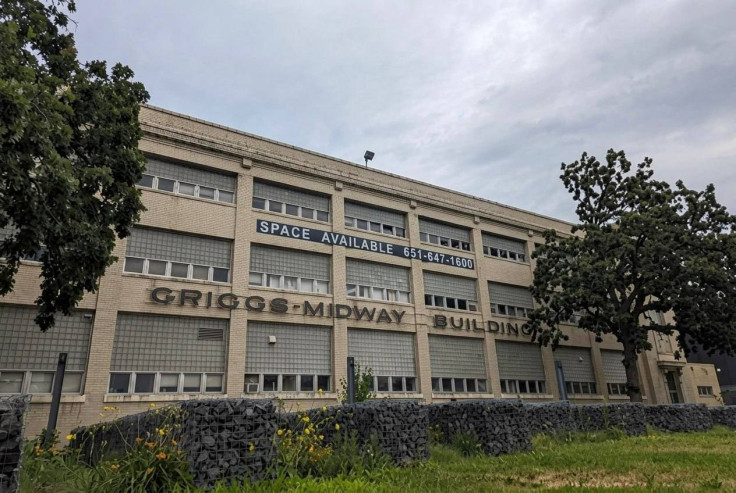
Four Minnesota men have pleaded guilty to a $2.2 million Minnesota Medicaid fraud scheme targeting a housing programme for disabled people. Investigators said they billed for services that were never provided.
The guilty pleas have intensified scrutiny of a safety net designed to help vulnerable tenants avoid homelessness, not become a route for fraud.
The men pleaded guilty to wire fraud over their role in exploiting Housing Stabilisation Services, a benefit Minnesota says was designed to help seniors and people with disabilities, including those with mental illness or substance use disorders, find and keep housing. Federal prosecutors and Minnesota state officials have linked the case to a wider crackdown on a system they say was badly exposed to abuse.
Four Men Plead Guilty to $2.2m Minnesota Medicaid Fraud
According to the US Department of Justice, Moktar Hassan Aden, 31, Mustafa Dayib Ali, 29, Khalid Ahmed Dayib, 26, and Abdifitah Mohamud Mohamed, 27, all from the Twin Cities area, admitted to defrauding Minnesota's Medical Assistance programme by using a company called Brilliant Minds Services LLC. Court records and the DOJ release say they set up the business in St Paul's Griggs-Midway Building and enrolled it as a Housing Stabilisation Services provider.
🚨 $2M MEDICAID FRAUD BUST🚨
— April Color (@ColorApril) July 24, 2026
Four Minnesota men of SOMALI descent operating out of St. Paul’s notorious Griggs-Midway Building just pleaded GUILTY to milking the state's housing program.
The twist? They used AI to fake records.
DEPORTATION CAN’T COME FAST ENOUGH pic.twitter.com/tqxSdr4O5l
Prosecutors said the company claimed to help disabled people find and keep housing, but instead submitted claims for housing-related support that was never delivered or was greatly exaggerated. Federal authorities said the group signed up around 350 Medicaid recipients for HSS and billed the programme without providing the help they claimed to have given.
How Housing Stabilisation Services Became a Fraud Target
Housing Stabilisation Services was introduced as a Minnesota Medicaid benefit for seniors and people with disabilities to help them find suitable accommodation, keep their homes and avoid more costly interventions later on. State guidance says the programme was meant to support housing transition, coordination and sustaining services for people facing long-term instability.
The scale of the fraud has made this case resonate beyond one courtroom. A Minnesota House briefing said the programme became extremely vulnerable to fraud, while state and federal investigators later concluded that the cost and complexity of the scheme had outgrown the safeguards designed to police it.
AI-Generated Records Exposed in $2.2m Fraud Scheme
When investigators asked for paperwork to support the billing, the defendants created fake records using artificial intelligence, according to the Justice Department. The scheme ran from April 2022 through April 2025, the DOJ said.
Justice Department prosecutors said the use of AI to generate fake records showed the fraud was not concealed in paperwork alone — the defendants adapted when investigators asked for proof. Federal prosecutors at the US Department of Justice and Minnesota Attorney General Keith Ellison's office have linked this case to a broader Minnesota health‑care fraud takedown that has brought charges in several Medicaid programmes and increased pressure on state officials to tighten oversight.
Terminated: The Safety Net That Couldn't Survive the Scandal
Attorney General Keith Ellison said his Medicaid Fraud Control Unit worked with the FBI and the federal health inspector general's office on investigations into providers suspected of billing for services that were not delivered. The Minnesota Department of Human Services later moved to terminate Housing Stabilisation Services, saying it no longer had the capacity to keep investigating fraud at the scale being uncovered.
The programme's termination has left many seniors and disabled Minnesotans without the housing support they relied on. For them, the fraud convictions offer little comfort. State materials say many seniors and disabled Minnesotans depend on the programme to stay housed, and each fraud case has deepened anxiety about how long legitimate help can survive alongside the crackdown.
A federal judge will decide the sentences for Aden, Ali, Dayib and Mohamed after considering the US Sentencing Guidelines and other factors. Each man faces a maximum penalty of 20 years in prison, according to the Justice Department.
© Copyright IBTimes 2026. All rights reserved.