

'Now I Can't Say Anything': Federal Employees Fear Retaliation After Trump Strips Civil Service Protections
Thousands of US federal employees say they fear losing their jobs and speaking freely after civil service protections were stripped.
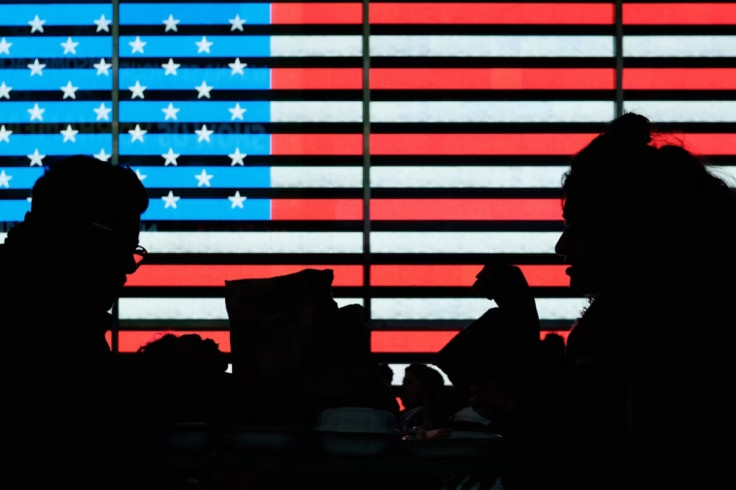
Thousands of US federal employees say they are worried about their jobs after President Donald Trump's administration formally removed civil service protections from nearly 8,000 government workers under the newly created Schedule Policy/Career classification.
Employees affected by the change told Federal News Network they now fear dismissal without appeal and say they no longer feel safe raising professional concerns in the workplace.
After the Trump administration finalised the Schedule Policy/Career on 3 June, giving federal agencies seven days to notify affected employees. The new classification applies to career employees considered to hold 'policy-influencing' positions, allowing agencies to dismiss them as at-will employees rather than under traditional civil service protections.
Administration officials say the move is designed to improve accountability and ensure the federal workforce carries out the president's agenda.
Federal Employees Say Job Security Has Vanished
For many workers, the change has altered how they approach their jobs.
An employee at the Centers for Disease Control and Prevention said that the loss of employment protections has affected every aspect of their work.
'Instead of being focused on my work, instead of being the best steward of taxpayer money, I'm now worried about if I will have a job,' the employee said.
They added that they previously felt able to challenge scientific methods or question interpretations of research without fearing dismissal.
'Up until a few weeks ago, I could push back on methods, scientific rigor or interpretation of results without fear of losing my job. But this has been a distraction. Now I can't say anything. What if I get fired?'
A National Institutes of Health employee described a similar reaction after learning they had been reclassified.
'It caught me off guard. It really hit home,' the employee said. 'We were all stunned. It has changed pretty much everything for me.'
The NIH employee said they are now actively looking for other employment despite previously believing they would remain at the agency until retirement.
Trump Administration Defends Schedule Policy/Career
The White House has rejected suggestions that the new classification is politically motivated. Officials argue Schedule Policy/Career is intended only for employees whose work directly affects government policy and say competent staff have nothing to fear.
'As long as employees are performing their job duties in a competent, professional manner,' one senior administration official said during a June press briefing, reclassified workers 'have nothing to be afraid of.'
Office of Personnel Management Director Scott Kupor also dismissed concerns that political loyalty would determine employment decisions.
'There are zero loyalty tests,' Kupor said, adding that employees are expected only to carry out lawful directives from agency leadership.
An HHS spokesperson likewise said staffing decisions comply with federal personnel laws and that the department remains focused on building 'a workforce that is accountable, mission-focused and responsive to the American people.'
Critics Question Who Was Reclassified
Not everyone is convinced the changes have been narrowly targeted.
According to the White House, roughly 97% of reclassified employees occupy GS-15 or Senior-Level positions. However, legal experts and employee advocates say many affected jobs appear unrelated to policymaking.
Rob Shriver, managing director of Democracy Forward's Civil Service Strong programme, said many federal employees have struggled to understand why their roles were included while similar positions elsewhere remained protected.
The Partnership for Public Service also found that many reclassified employees work in legal, budget, human resources, and scientific positions, extending well beyond traditional policy roles.
One CDC employee criticised the process, saying, 'This isn't surgical. This is just throwing a grenade at things.'
The uncertainty has also spread to employees who retained their protections.
An HHS worker whose supervisors were reclassified said managers now appear reluctant to challenge decisions because they fear losing their jobs.
'It changes the ecosystem in which we work,' the employee said.
Legal Challenges for Employees
Several employees also described feeling pressured to sign acknowledgement forms confirming their new employment status, despite disagreeing with the changes.
The NIH employee said colleagues worried that refusing to sign could invite retaliation.
'We didn't agree to what was in the letter, but we all felt if we didn't sign it, we would all be subject to retribution,' the employee said.
Meanwhile, multiple organisations, including the National Treasury Employees Union, the American Federation of Government Employees, and other advocacy groups, have filed lawsuits challenging the legality of Schedule Policy/Career. The cases argue the policy violates the Civil Service Reform Act and weakens long-standing protections designed to keep the federal workforce politically independent.
While the White House initially estimated that as many as 50,000 federal employees could eventually be moved into Schedule Policy/Career, fewer than 8,000 positions have been reclassified so far. Legal experts say additional reclassifications remain possible as the court challenges move forward.
© Copyright IBTimes 2026. All rights reserved.