

'Stupid and Evil': Trump's Radical Green Card Crackdown Threatens to Force 1M Legal Immigrants Out of US
A six‑page memo has turned America's promise to its rule‑following immigrants into a gamble many can no longer afford to take.
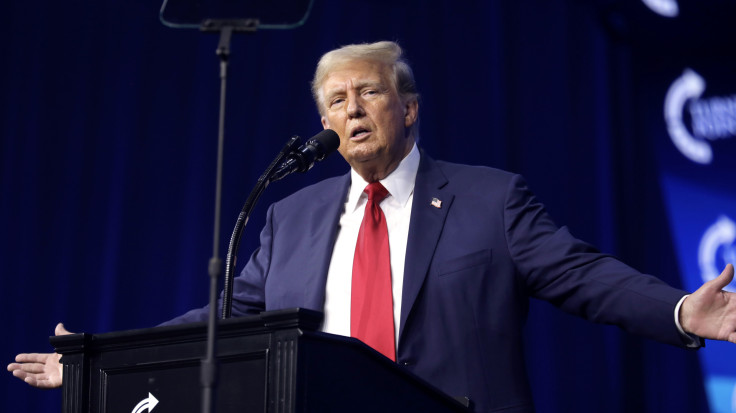
Donald Trump's administration has quietly imposed a sweeping new hurdle on legal immigration in the United States, ordering that most people seeking a green card while already in the country must now leave and apply from abroad, according to a six‑page memo issued by US Citizenship and Immigration Services (USCIS) on 21 May. The policy, which shifts how officers judge the most common route to permanent residence, could affect roughly a million people with pending applications.
Adjustment of status is the mechanism that has allowed students, skilled workers, spouses of US citizens and other temporary visa holders to become permanent residents without leaving American soil. It is filed on Form I‑485 and, as libertarian think tank the Cato Institute notes, has been the pathway 'for over half of all legal immigrants in the last generation.'
The new memo, labelled PM‑602‑0199, does not rewrite immigration law on its face, but it does reframe adjustment of status as 'an extraordinary form of relief' rather than a routine benefit giving frontline officers far broader discretion to say no.
Court ruling allows resumption of immigration benefits for affected nationals#Trump #immigration #JohnJMcConnellJr #Law #Asylum
— IBTimes UK (@IBTimesUK) June 22, 2026
Read More :https://t.co/HDmLmexfaa pic.twitter.com/C0NlmsgwuH
Donald Trump Memo Recasts Legal Immigration As 'Extraordinary Relief'
The Department of Homeland Security summarised the change in a blunt one‑liner on X: 'An alien who is in the U.S. temporarily and wants a Green Card must return to their home country to apply.' USCIS spokesman Zach Kahler presented the shift as simply restoring Congress's will.
'We're returning to the original intent of the law to ensure aliens navigate our nation's immigration system properly,' Kahler said, arguing that consular processing abroad 'reduces the need to find and remove those who decide to slip into the shadows and remain in the U.S.' He added that the change would free resources for other priorities, such as visas for victims of violent crime and human trafficking, and 'help make our system fairer and more efficient.'
The memo goes much further than tidy bureaucratic housekeeping. Officers are told to view the very act of applying from inside the US as a negative factor to be weighed against every applicant. Meeting the legal criteria for a green card is no longer enough. Individuals must now show 'unusual or even outstanding equities' to merit a favourable exercise of discretion, and the default tilt of that discretion has been pushed firmly towards denial.
David Bier, director of immigration studies at Cato, called it the harshest turn against lawful migration in modern US history. 'This admin continues to prove itself to be the most anti‑legal immigration admin in U.S. history,' he wrote on X. 'The harms this will cause to legal immigrants is incalculable. Impossible to explain how stupid and evil this policy is. It's intended to cost people their jobs and their families.'

Donald Trump Policy Leaves Skilled Workers and Families in Limbo
USCIS data show about 1.24 million I‑485 cases were pending as of the third quarter of fiscal year 2025, the latest period reported. Bier's estimate of one million people caught mid‑stream is a cautious rounding, but it gives a sense of scale. These are largely people who did exactly what the system asked of them.
They include H‑1B and L‑1 professionals working in technology, finance and health care, as well as their dependants nearly 1.3 million people in total, according to advocacy group FWD.us. They include F‑1 graduates transitioning to employer sponsorship, O‑1 'extraordinary ability' visa holders such as researchers, doctors and startup founders, as well as tourists who married US citizens and long‑term partners and parents of Americans who historically enjoyed the highest approval rates.

Yet the memo specifically warns that having a 'dual intent' visa category such as H‑1B is now 'not sufficient, on its own, to warrant a favorable exercise of discretion.' In other words, holding exactly the right visa, and playing by the book for years, no longer gets you very far.
Michael Valverde, a former senior USCIS official who served under both Republican and Democratic administrations, told CBS News the policy will 'disrupt the plans of hundreds of thousands of families and employers annually' and described it as 'a largely unprecedented move that will limit lawful immigration to the U.S. greatly.' People who 'followed the rules faithfully,' he said, now face 'tremendous uncertainty.'
Doug Rand, another ex‑USCIS official who worked in the Biden administration, warned it could make it 'difficult or impossible for very large numbers of U.S. citizens to get on with their lives with the people they've chosen to marry who came here legally.'
Kahler, speaking for the agency, insists this is about drawing a clean line between temporary visits and permanent migration. 'Nonimmigrants, like students, temporary workers, or people on tourist visas, come to the U.S. for a short time and for a specific purpose,' he said. 'Their visit should not function as the first step in the Green Card process.'
Critics see something closer to a self‑sabotaging economic policy. Representative Greg Stanton of Arizona accused Trump of deliberately making legal immigration harder, warning that the US draws its 'top researchers, doctors and engineers' through exactly the worker visa programmes now thrown into doubt. Fellow Democrat Ted Lieu went further, calling the move 'stupid' and arguing it would 'help competitors such as China and Russia' as frustrated talent heads elsewhere.

No Consulate, No Way Back Under Donald Trump's Rule
The memo's core premise that people can simply 'go home and apply' collides with another hard reality. The US State Department has halted immigrant visa processing in 75 countries. Washington has no operating embassy in Russia. Consular services are sharply limited or suspended in Iran, Belarus, Venezuela and several others.
That leaves Ukrainians, Afghans, Cubans and Haitians admitted under humanitarian parole being told, in effect, to return to countries where the US government either has no functioning diplomatic presence or has itself restricted entry. Venture capitalist Nick Davidov pointed out on X that at least three founders in his portfolio face exactly this dilemma and said, of Russian nationals in particular, 'there is no U.S. embassy in Russia, hello?' In a follow‑up, he added that Iranians, Belarusians and Ukrainians 'can't really go back.'
There is also a legal trap built into the system. Under current law, anyone who has been unlawfully present in the US for more than six months and then departs automatically triggers a multi‑year bar on returning. For the spouse of a US citizen who once overstayed a visa, 'go home and apply' can easily translate into a decade of forced separation. Waivers exist, but they hinge on proving 'extreme hardship' to a US relative. Immigration lawyers expect an already creaking process to be swamped.
DHS: ‘Record High‘ Deportations Under Trump Administration https://t.co/emQqbrO30c via @BreitbartNews
— Hetchy (@Hetchy899) June 22, 2026
That is one reason many attorneys believe the memo will be challenged in court. The likely argument is that USCIS is using its discretionary power to nullify a route to residency that Congress clearly authorised, and doing so through an internal policy document rather than formal rulemaking. A similar pattern has already played out for Cubans: Cato's analysis found approvals under the Cuban Adjustment Act fell 99.8% between October 2024 and January 2026, even though the statute itself was never repealed.
The memo even carries its own odd disclaimer, stating it 'may not be relied upon to create any right or benefit, substantive or procedural, enforceable under law or by any individual or other party'. That kind of language may make it harder to defend in court as a considered, rule‑bound exercise of government authority.
The practical advice to those in limbo is grim but consistent. Do not withdraw a pending I‑485 on the basis of this memo alone. Do not leave the US without bespoke legal advice, because departure may be treated as abandoning the case and may trigger the three‑ or ten‑year bars. Expect more document requests as officers are forced to defend their decisions in writing. Build as strong a paper trail as possible tax returns, employer letters, evidence of community ties to prove 'positive equities.'
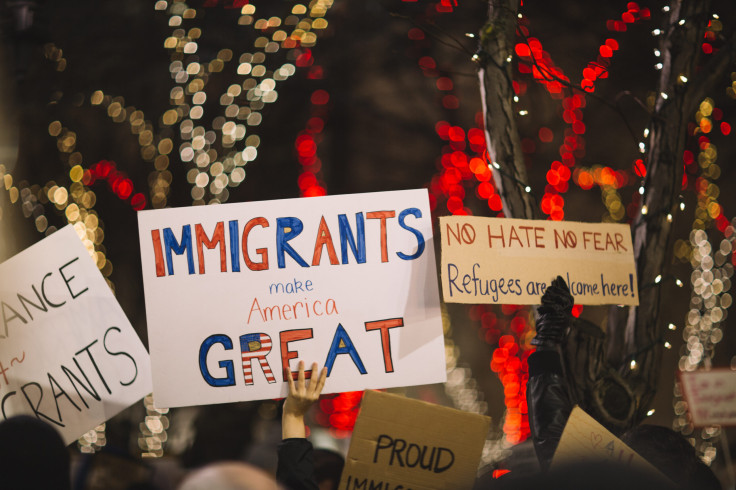
Immigration lawyer Ana Gabriela Urizar, who says she has filed more than 15,000 cases, struck a slightly calmer note. The memo, she argued, 'does not necessarily signal a major shift in how most properly prepared adjustment of status cases are analyzed,' though it clearly means applicants must 'place even greater emphasis on presenting the full picture of their positive equities, professional contributions, and long-term value to the United States.' Even spouses of US citizens with clean records, historically the safest bet in the system, no longer enjoy a presumption of approval.
One veteran of the US tech sector, Can Duruk, put it in darker, if unverified, terms on X: 'China could drop a nuke in Silicon Valley and still wouldn't do this much damage.' Nothing in that comparison can be confirmed, of course, but it captures the level of alarm among those who thought playing by the rules would be enough.
© Copyright IBTimes 2026. All rights reserved.
- Recommended For You


