Iran Appeared To Snub Vance on Camera, Then Recessed the Swiss Talks After a Trump Threat Detonated the Room
Diplomatic efforts between the US and Iran face setbacks after Trump's controversial remarks.

A long-awaited round of US-Iran diplomacy in the Swiss Alps curdled within hours on Sunday, after a profane threat from President Donald Trump landed in the middle of the negotiations and sent Tehran's team into recess.
Vice President JD Vance opened the talks at the Burgenstock resort above Lake Lucerne on 21 June 2026, calling it a chance to 'transform' relations with Iran, the Associated Press reported. Iranian state media said the session ran about 80 minutes before entering a difficult phase and recessing.
Footage circulating online also appeared to show Iran's foreign minister bypassing a handshake with Vance, a frosty optic that set the tone before the substance even began.
A Threat Delivered Mid-Negotiation
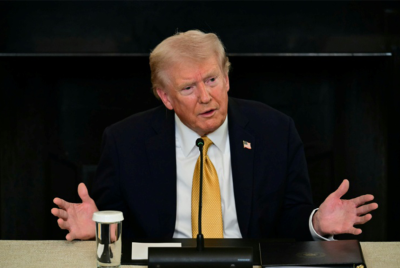
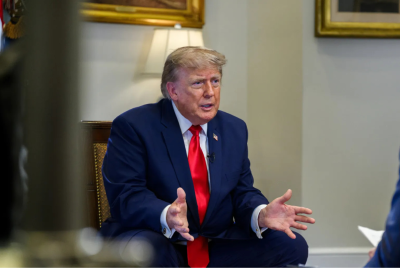
The rupture came not from the table itself but from Washington. In a telephone interview with Fox News while the delegations were meeting, Trump recounted warning Iranian officials over the Strait of Hormuz in stark terms.
'You close it and you won't have a country', he said, adding that they 'won't even make it back' to their country, according to NBC News, which cited Fox correspondent Trey Yingst.
Trump went further when told that Iranian President Masoud Pezeshkian had insisted Tehran would keep its right to enrich uranium. He said the Iranian leader had better watch his mouth and shape up, or the United States would 'take over the rest of the country.' He also described the recently signed memorandum of understanding as merely an option, claiming he could do whatever he wanted afterwards.
Iranian state media, relayed through AP wire coverage, said the talks recessed after the publication of what it called an insulting message by the US president. The delegation then met Qatari mediators and, by Tehran's account, left the negotiating site.
Conflicting Accounts of a Walkout
Whether Iran truly walked away remains disputed. An official with knowledge of the discussions told the AP that the Iranian delegation stayed engaged and had given mediators no indication it intended to leave. A senior US diplomat said negotiators expected to work through the night, clarifying Iran's recent statements on the Strait of Hormuz and building mechanisms to keep the waterway open.
🇺🇸🇶🇦 This is BRUTAL. Vance flew to Geneva for the Iran talks and the Qatari minister just flat out refused to greet him
— Mario Nawfal (@MarioNawfal) June 21, 2026
The Geneva talks are already suspended, Iran walked out of the photo-op, and now Vance is standing there with an outstretched hand and nobody taking it.
The… https://t.co/IXltnU1QMD pic.twitter.com/nw8F9W1wPr
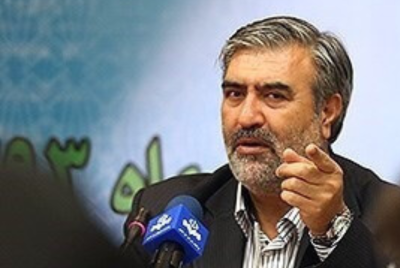
Iran's chief negotiator, Mohammad Bagher Qalibaf, answered Trump publicly rather than walking out quietly. Writing on X, he denounced the threat as a sign of 'desperation' in Washington, CNN reported. He warned that Iran did not take the threats seriously and that its armed forces were ready to respond differently.
با خودشان فکر نمیکنند که اگر تهدیدهایشان نتیجهای داشت، به استیصال امروز نمیرسیدند؟ ما تهدیدهای آمریکاییها را به جایی حساب نمیکنیم.
— محمدباقر قالیباف | MB Ghalibaf (@mb_ghalibaf) June 21, 2026
بهتر است مراقب اظهارنظرهای خود باشند، نیروهای مسلح ما آمادهاند تا به نحوی دیگر پاسخشان را بدهند. هر چه حرف بزنند، این ماییم که عمل میکنیم.
Foreign ministry spokesman Esmail Baghaei said Tehran had told mediators the talks could not continue in a four-party format, yet he also claimed good progress had been made. Vance, for his part, had signalled before arriving that he planned to stay in Switzerland only a day or two, leaving the detailed work to special envoy Steve Witkoff and Trump's son-in-law Jared Kushner.
Lebanon, Hormuz, and a 60-Day Clock
The stakes carried a domestic edge, too.
Vance's prominent role in the talks has drawn heightened scrutiny as he weighs a 2028 presidential run, and the underlying deal has already attracted criticism from Republican hard-liners who liken it to the Obama-era nuclear agreement they spent years denouncing. The vice president defended the administration's record, arguing the United States had done more than any other government to halt the conflict in Lebanon.
Beneath the theatrics sat genuinely hard issues. Iran wanted the agenda to start with Lebanon, where Israel has continued striking the Iranian-backed Hezbollah despite a renewed ceasefire brokered the day before. Baghaei warned there could be no move to a final agreement unless commitments on the ground were upheld.
The United States, meanwhile, pressed Iran to keep the Strait of Hormuz open and to lock in negotiations over its nuclear programme. Tehran had claimed on Saturday to have closed the strait, a claim Washington disputed, noting that shipping had continued. The interim deal allows commercial vessels to pass without charge for 60 days, though it does not rule out future Iranian fees.
Despite the upheaval, mediators struck an upbeat note. In a joint statement reported by CNN, Qatar and Pakistan said the discussions had been held in a positive and constructive atmosphere and that the parties had agreed to set up a high-level committee to oversee the mediation, with working groups on the nuclear file, sanctions, and dispute resolution. Negotiators were given a 60-day window to convert the memorandum into a full accord.
A single phone call from afar had managed to shake a peace process that both sides still insist is alive, leaving the cameras to capture the chill while the harder bargaining moved behind closed doors.
© Copyright IBTimes 2026. All rights reserved.
- Recommended For You