Iran Walks Out of Switzerland Talks in Protest After Trump Threatens to 'Hit Iran Very Hard Again, Only Harder'
Diplomatic efforts between the US and Iran face setbacks as tensions rise over nuclear negotiations
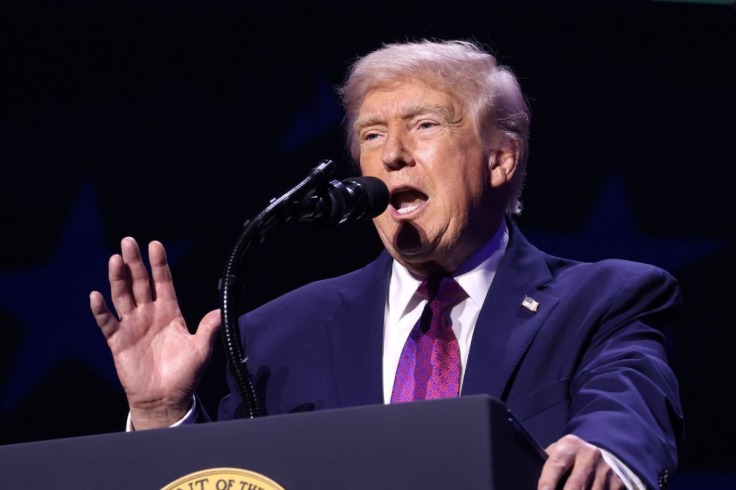
Iran's negotiating delegation walked out of nuclear talks in Switzerland on Sunday after US President Donald Trump publicly threatened to strike Iran again, bringing a fragile diplomatic process to an abrupt halt just as it had begun.
According to Iran's state-aligned Tasnim news agency, citing a source familiar with the negotiating team, Iran's delegation left the venue of talks at the Bürgenstock resort in protest. The Hormuz Letter, which monitors Gulf security developments, reported on X that talks are now 'fully suspended' following Iran's exit.
Talks Derailed by Trump's Public Warning
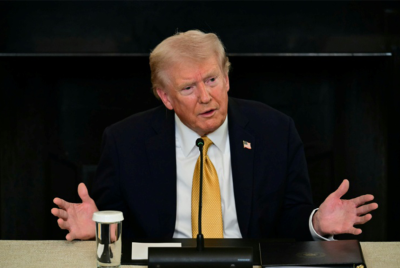
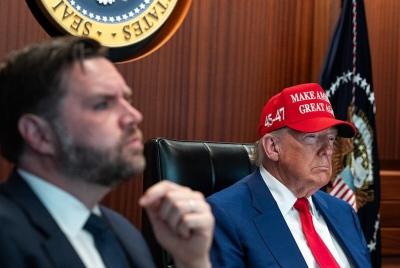
The walkout came after Trump posted a warning on Truth Social, calling on Iran to halt support for what he described as its 'highly paid PROXIES in Lebanon,' adding that the US would 'hit Iran very hard again, just like we did last week, only harder' if Tehran did not comply. The statement landed as Vice President JD Vance and Iran's delegation had only just convened at Bürgenstock for the opening of 60-day technical negotiations under a memorandum of understanding signed earlier in the week.
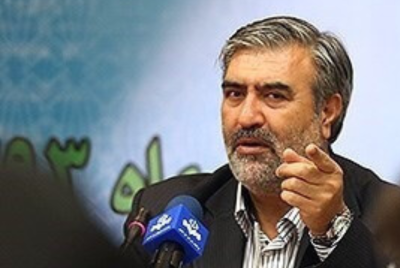
Iran's Parliament Speaker Mohammad Bagher Ghalibaf, who led Tehran's negotiating team, responded directly. Writing on X, Ghalibaf said Iran does 'not take American threats seriously' and warned that the country's 'armed forces are ready to give them an answer in a different way.' He added: 'The more they talk, the more we act.'
Lebanon Conflict Delayed Talks Before They Began
The Switzerland talks were themselves a delayed start. The original round was pushed back from Friday due to an escalation in fighting between Israel and Hezbollah in Lebanon, which had already threatened the broader US-Iran ceasefire framework.
Vance, who had been scheduled to depart for Switzerland on Thursday, was delayed after a White House spokesperson told reporters that 'the logistics of these negotiations have never been simple or predictable.'
When talks finally convened on Sunday, an emergency session on Lebanon was added to the agenda, with the conflict between Israel and Hezbollah continuing to complicate efforts to reach a lasting agreement. Iran has consistently maintained that any broader deal with the United States must include a halt to fighting in Lebanon. Israel, for its part, has said it is not bound by the US-Iran ceasefire agreement.
BREAKING: Iran's negotiating delegation led by Parliament Speaker Ghalibaf refused to take a photo with US Vice President Vance and the American side before walking out of the Switzerland negotiation venue in protest of Trump's threats, with a member of Iran's delegation saying… pic.twitter.com/S4vc4pwMMQ
— The Hormuz Letter (@HormuzLetter) June 21, 2026
Nuclear Talks and the 60-Day Window
The Bürgenstock meeting was intended to begin a 60-day sprint of technical negotiations over the future of Iran's nuclear programme, as stipulated in the memorandum of understanding signed by Trump and Iran's president earlier in the week.
Under that agreement, the International Atomic Energy Agency was set to carry out inspection verification and oversee the downblending — or dilution — of Iran's enriched uranium.
Iran International reported that Iran's state broadcaster said no discussions on Tehran's nuclear programme took place during the first 80 minutes of four-party talks, with the session instead focusing on Lebanon and the implementation of the memorandum.
The outlet also noted that the first round of talks had formally concluded before Iran's delegation departed, according to Iran International, citing a source close to the Iranian negotiating team.
BREAKING: Iran’s negotiating delegation is now walking out of the Switzerland talks in protest of Trump’s new threat to “hit Iran very hard again, just like we did last week, only harder,” with talks now fully suspended, per Tasnim.
— The Hormuz Letter (@HormuzLetter) June 21, 2026
Iran’s Parliament Speaker Ghalibaf, who heads…
Netanyahu separately stated on Sunday that Israel would not allow Iran to acquire nuclear weapons 'whatever diplomatic developments may occur,' signalling that Tel Aviv's position remains unchanged regardless of the outcome in Switzerland.
The walkout at Bürgenstock puts the entire 60-day diplomatic framework at risk before substantive nuclear negotiations have had a chance to begin.
With Lebanon still a live flashpoint and Trump issuing public ultimatums mid-talks, the gap between a ceasefire on paper and a durable agreement in practice remains wide. How both sides manage the next few days will likely determine whether the window for a final deal remains open at all.
© Copyright IBTimes 2026. All rights reserved.
- Recommended For You