Peace Deal on the Brink? US-Iran Talks Open in Switzerland as Strait of Hormuz Crisis Threatens to Blow Up Fragile Ceasefire
Negotiators aim to solidify a fragile ceasefire amidst regional tensions and global energy concerns.
The latest round of United States-Iran peace talks has begun in Switzerland, with negotiators racing to prevent a new crisis from destroying a ceasefire that was only recently agreed upon. Senior officials from both countries gathered for discussions aimed at turning a temporary truce into a more lasting settlement after months of conflict that shook the Middle East and disrupted global energy markets.
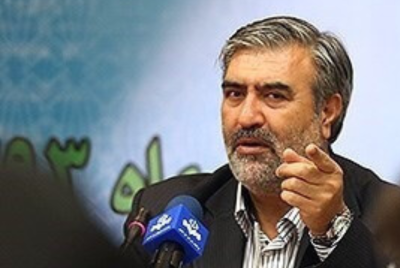
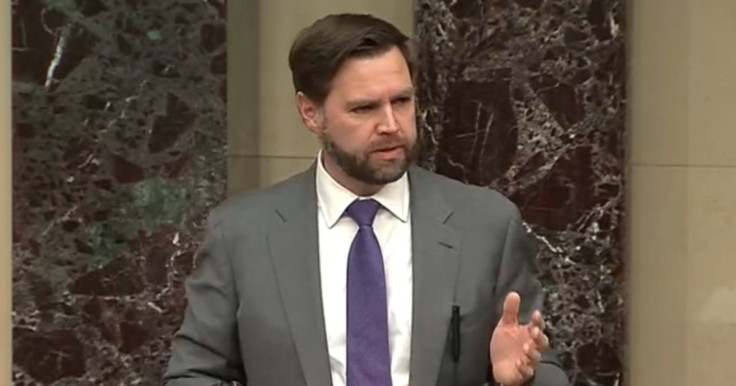
United States Vice President JD Vance landed in Switzerland on 21 June for long-awaited negotiations with Iran. Hours later, an Iranian delegation arrived in Switzerland, including Tehran's lead negotiator Gen. Mohammad Bagher Ghalibaf, and foreign minister for Iran, Abbas Araghchi.
Prior to being Switzerland-bound, Vance revealed in an interview that he was planning to only attend peace talks 'for a day or two,' as reported by The New York Times. Vance will spearhead the negotiations team which consists of US President Trump's government emissary Steve Witkoff and Jared Kushner. Speaking to Fox News, Vance said both chief negotiators had already arrived in Switzerland.
Strait of Hormuz Dispute Casts Shadow Over Talks
The biggest obstacle hanging over the Swiss peace talks is the dispute surrounding the Strait of Hormuz. Iranian military officials announced that the waterway had been closed in response to what Tehran described as violations of ceasefire commitments.
Tensions escalated after Iran's Revolutionary Guards blamed Israel for alleged ceasefire breaches in Lebanon and warned ships to stay clear of the Strait of Hormuz or face danger. However, US Central Command said the Strait of Hormuz remained busy, with 55 commercial ships moving over 17 million barrels of oil through the passage on Saturday.
The conflicting accounts have demonstrated how fragile the current situation remains. Even if ships continue to pass through the Strait, uncertainty alone can create instability, especially when the waterway serves as a major artery for global energy supplies. The disagreement has become one of the first major tests facing negotiators in Switzerland.
Switzerland Meeting a Crucial Turning Point
US Vice President JD Vance arrived in Switzerland to lead the American delegation for the talks, while Iranian representatives travelled to the talks seeking guarantees that previous commitments will be respected. The meeting is being viewed as one of the most important diplomatic efforts since the announcement of the ceasefire.
The US-Iran talks were initially scheduled to begin on Friday but were delayed after renewed clashes between Israel and Hezbollah in Lebanon. According to Business Times, the violence left 18 people dead while Israeli forces reportedly struck around 80 Hezbollah targets.
The talks are designed to strengthen a 60-day ceasefire framework intended to halt fighting and create space for discussions. Officials hope the discussions can address security concerns, regional tensions and the future of maritime access through the Strait of Hormuz.
However, recent developments have already complicated the process. Previous negotiating sessions were delayed amid renewed violence elsewhere in the region, creating concerns that outside events could derail progress before a comprehensive agreement is reached.
The coming days could determine whether the Swiss meetings produce meaningful progress or become another missed opportunity. With tensions surrounding the Strait of Hormuz still unresolved, negotiators face pressure to deliver results before events move faster than diplomacy.
© Copyright IBTimes 2026. All rights reserved.
- Recommended For You